SIR in Delhi: At Jan Sunwai in Trilokpuri, families scramble to get back on electoral roll
Source Entity
Devansh Mittal
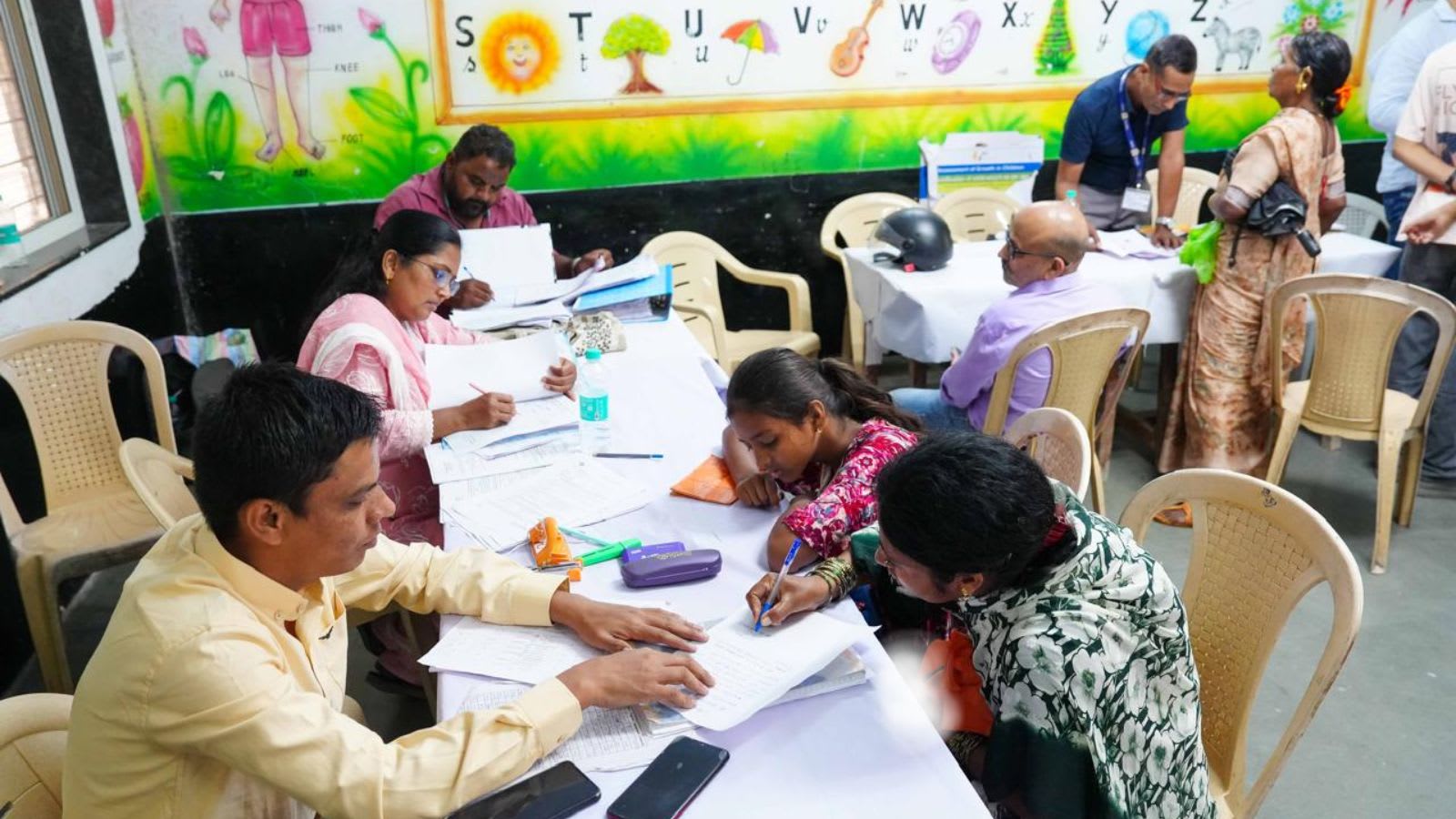
Delhi's Special Intensive Revision (SIR) of electoral rolls has sparked concern following reports of unexpected name deletions in areas like Trilokpuri. Despite over one lakh special camps being organized, only 27,510 new enrollment applications were received, highlighting a significant gap in civic participation and administrative accuracy.
The Crisis of Electoral Integrity in Delhi
The recent Special Intensive Revision (SIR) of electoral rolls in Delhi has brought to light significant administrative hurdles and public anxiety regarding voter disenfranchisement. For many long-term residents, like Suresh Kumar Patel of Indira Camp, the electoral roll is not merely a bureaucratic list but a fundamental proof of citizenship and political participation. The sudden discovery that names have been deleted from the draft rolls, despite residents having previously completed the required enumeration forms with Booth Level Officers (BLOs), points to a systemic breakdown in data management.
The Disconnect Between Outreach and Enrollment
Despite the Delhi Chief Electoral Officer’s (CEO) office organizing over one lakh special camps across the capital, the turnout for new voter enrollment has been surprisingly low. Official data indicates that only 27,510 applications were received at these camps. This discrepancy suggests a potential failure in effectively communicating the importance of the SIR process to the public, or perhaps a lack of accessibility that prevents citizens from engaging with the process, even when the infrastructure is theoretically present.
Administrative Challenges and Public Trust
Following the release of the draft roll on August 31, which saw 47.57 lakh names excluded, the scale of the challenge became apparent. While the poll body has received 2.67 lakh Form 6 applications—the standard document for inclusion—the total number of exclusions remains massive compared to the current rate of re-enrollment. The experience of residents in Trilokpuri serves as a microcosm of the broader anxiety: when citizens believe they have complied with the law, only to find their names missing, it erodes trust in the democratic apparatus.
The Role of the Booth Level Officer (BLO)
BLOs are the frontline of India’s electoral system, tasked with verifying data and assisting citizens with Form 6. The case of Suresh Kumar Patel, who claims to have filled out his details in the presence of a BLO, raises critical questions regarding the accountability of these officers. If the data provided to these officials is not accurately reflected in the final digital registry, it suggests a technical or human error in the data entry process that requires urgent investigation before the final electoral roll is published on December 4.
Future Implications and Conclusion
As the December 4 deadline for the final publication of the electoral rolls approaches, the burden of proof is increasingly shifting onto the citizens to rectify errors that were often not of their own making. If these administrative gaps are not addressed, the disenfranchisement of thousands of voters could have significant implications for future election outcomes. The current situation highlights a desperate need for greater transparency in the deletion process and a more robust verification system to ensure that legitimate, long-term residents are not stripped of their voting rights due to bureaucratic inefficiency.
Multiple Citing Sources