Rs 11L chandelier, Rs 5.5L sofa': Delhi govt opens doors of 'Kejriwal's Sheesh Mahal'
Source Entity
SHREEDHAR RATHI
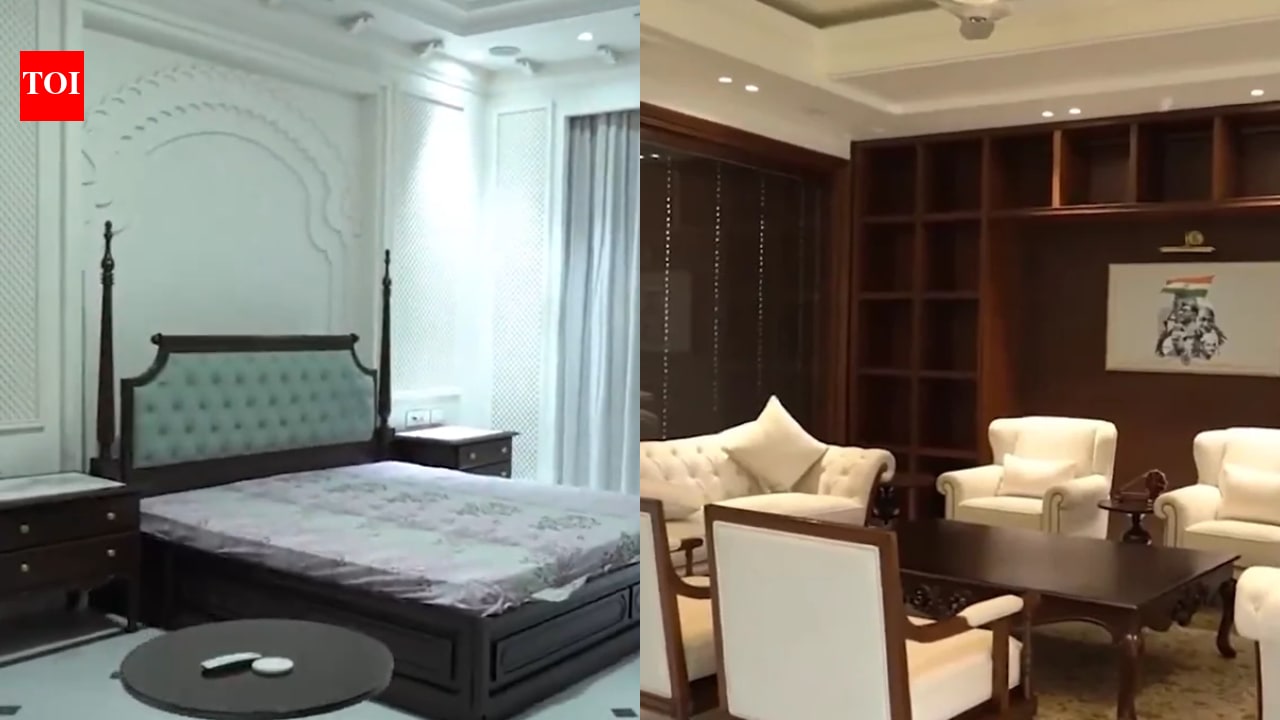
The Delhi government is opening former CM Arvind Kejriwal’s residence, dubbed 'Sheesh Mahal,' to media and public tours. The site, criticized by the BJP for its alleged luxury, will feature a nominal entry fee with free access for specific groups.
The Opening of 'Sheesh Mahal': A Political Spectacle
The Delhi government has officially announced plans to open the former residence of Arvind Kejriwal, colloquially dubbed 'Sheesh Mahal' by his political opponents, to the media and eventually the general public. Public Works Department (PWD) Minister Parvesh Verma confirmed that the residence, which became the subject of intense political scrutiny during Kejriwal's tenure, will be accessible via a structured ticketing system. This move marks a significant departure from standard protocols regarding former official residences, signaling an effort by the current administration to utilize the property as a focal point for public discourse.
The Mechanics of Public Access
According to the details provided, the rollout will occur in two distinct phases. Initially, the residence will be opened for a media tour to allow for visual documentation and reporting. Following this, the government plans to implement a ticketing system by the end of the week, with an anticipated price point of approximately ₹20 per ticket. To encourage access for specific demographics, the government has announced that senior citizens and college students will be exempt from these fees, effectively turning the residence into a site of public display.
Allegations of Extravagance
At the heart of this initiative is a long-standing political narrative propagated by the Bharatiya Janata Party (BJP). The BJP has consistently labeled the residence as 'Sheesh Mahal,' citing alleged expenditures on interior décor that they claim exemplify corruption and misuse of public funds. Specific reports have highlighted high-cost items, such as an 11-lakh rupee chandelier and a 5.5-lakh rupee sofa, to underscore their argument that the former Chief Minister’s living quarters were disproportionately lavish compared to the public office held.
Future Use and Maintenance
Beyond the initial public viewing phase, the government has outlined a long-term strategy for the property. Once the period of public tours concludes, the administration intends to hand over the management of the residence to a private company. This entity will be tasked with overseeing the property for official events, marking a transition from a political point of contention to a venue for state-level functions.
Political Implications and Trends
This decision represents a broader trend in Indian politics where the living standards and personal choices of public officials are increasingly scrutinized as part of accountability campaigns. By transforming a private residence into a public exhibit, the current government is effectively institutionalizing the critique of its predecessor. This strategy serves to keep the narrative of alleged corruption in the public consciousness, ensuring that the 'Sheesh Mahal' controversy remains a potent symbol in the ongoing political rivalry within the Delhi administration.
Conclusion
The opening of the 'Sheesh Mahal' is more than a mere facility tour; it is a calculated political move intended to provide the public with a tangible look at what critics describe as the excesses of the previous administration. As the ticketing system goes live and the public begins to tour the premises, the residence will likely remain a flashpoint for debate regarding the intersection of personal luxury and public service in India's capital.