Madras High Court permits byelections only in Ambasamudram and Perundurai constituencies in Tamil Nadu
Source Entity
India Latest News: Top National Headlines Today & Breaking News | The Hindu
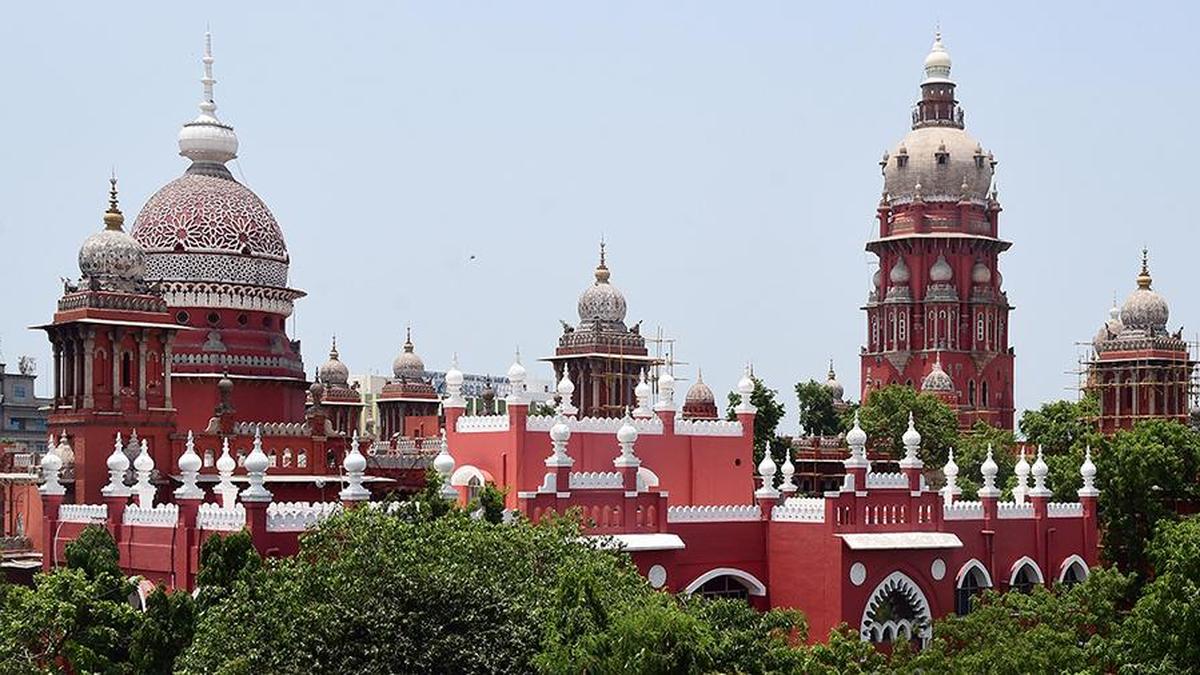
The Madras High Court has allowed byelections for Ambasamudram and Perundurai while deferring polls for three other constituencies. This decision rests on the legal necessity of resolving pending election petitions before filling vacancies.
Judicial Intervention in Tamil Nadu Electoral Process
On November 27, 2026, the Madras High Court delivered a significant ruling regarding the democratic process in Tamil Nadu. A division bench, presided over by Chief Justice Sushrut Arvind Dharmadhikari and Justice G. Arul Murugan, issued a nuanced order that partially allowed the Election Commission of India (ECI) to proceed with byelections in two Assembly constituencies—Ambasamudram and Perundurai—while simultaneously placing a stay on the electoral process for Tiruchi East, Karur, and Viralimalai.
Legal Precedents and Pending Petitions
The court's decision stems from a public interest litigation (PIL) filed by advocate K. Venkatachalapathy, which sought to defer all five byelections until the resolution of underlying election petitions. The judiciary has prioritized legal integrity over the immediate filling of legislative vacancies. By mandating that the ECI wait for orders on pending petitions for Tiruchi East, Karur, and Viralimalai, the court is upholding the principle that election results must remain stable and not be undermined by unresolved legal challenges under Section 84 of the Representation of the People Act.
The Role of the Election Commission
The ECI had previously maintained that delaying these polls would not constitute a breach of statutory time limits. The Madras High Court’s ruling effectively validates this stance for the three deferred seats, clarifying that the ECI's constitutional duty to conduct elections is balanced against the judiciary’s role in adjudicating electoral disputes. This creates a clear legal roadmap for the ECI, ensuring that the process for these specific constituencies remains compliant with the court's ongoing scrutiny.
Broader Implications for Electoral Integrity
This ruling highlights the tension between the administrative urgency of the ECI to maintain full legislative representation and the judicial necessity of ensuring that election petitions are not rendered moot by subsequent byelections. When an election petition seeks a declaration regarding a previous contest, the court's decision to pause new polls serves as a safeguard against premature electoral processes that could complicate ongoing legal remedies for voters and candidates alike.
Future Trends and Judicial Oversight
As Tamil Nadu moves forward with the byelections for Ambasamudram and Perundurai, the spotlight remains on the remaining three constituencies. This case sets a precedent for how future electoral vacancies might be handled when legal challenges remain outstanding. Moving forward, the judiciary will likely continue to play a pivotal role in ensuring that the ECI operates within a framework that respects both the speed of democracy and the depth of legal due process.
Summary of the Judicial Stance
Ultimately, the Madras High Court has successfully navigated a complex legal landscape by bifurcating the electoral schedule. By permitting the polls in two seats while demanding resolution for the others, the court has reinforced the importance of the Representation of the People Act, ensuring that legislative legitimacy is maintained through both the ballot box and the courtroom.
Verification Required?