SIT’s chargesheet gives clean chit to Nagendra in Valmiki Corporation scam
Source Entity
India Latest News: Top National Headlines Today & Breaking News | The Hindu
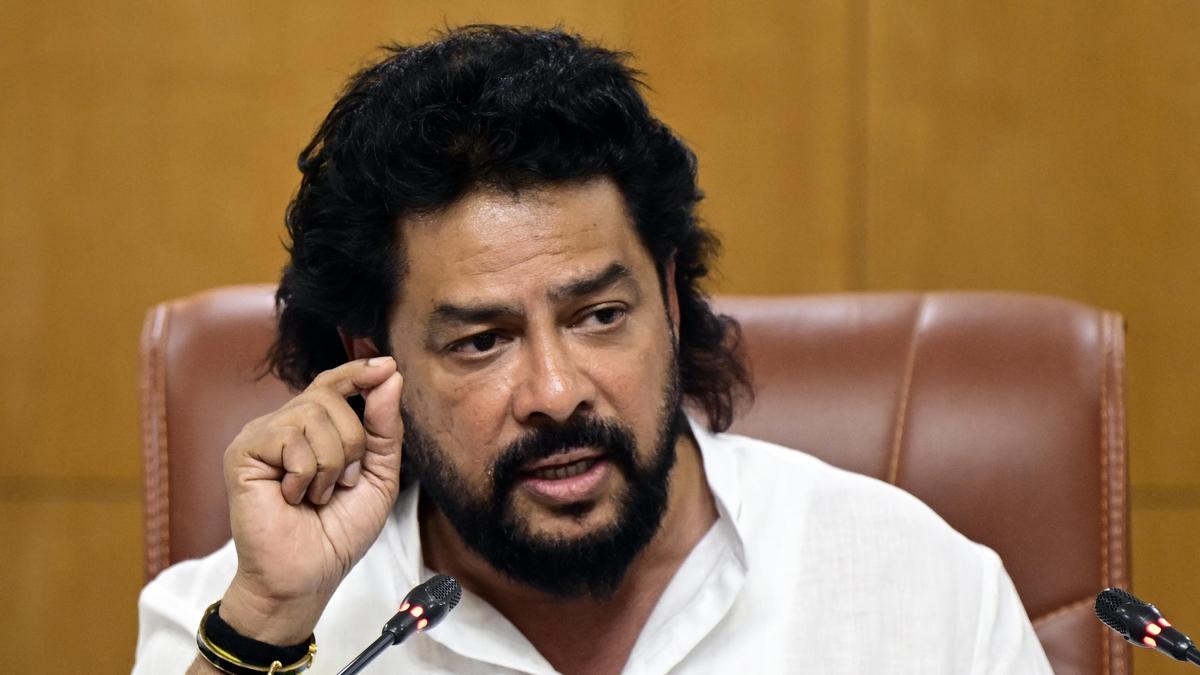
The Karnataka SIT has filed a final chargesheet in the Valmiki Corporation scam, clearing former Minister B. Nagendra of wrongdoing. By naming both Nagendra and Basavaraj Daddal as witnesses rather than accused, the SIT has diverged significantly from federal agency findings.
The Valmiki Corporation Case: A Shift in Legal Trajectory
The Karnataka Special Investigation Team (SIT) has reached a critical juncture in the investigation into the alleged misappropriation of ₹89.62 crore from the Valmiki Corporation. In a move that has drawn significant attention, the SIT filed its final chargesheet before the Lokayukta Special Court on November 25, explicitly clearing former Minister B. Nagendra of any direct criminal involvement in the fund diversion. This development marks a noteworthy departure from the ongoing scrutiny by central agencies, setting the stage for a complex legal battle regarding the evidence gathered thus far.
Divergence from Federal Agency Findings
For months, the Valmiki Corporation scam has been under the microscope of the Central Bureau of Investigation (CBI) and the Directorate of Enforcement (ED). These federal bodies had previously suggested a more prominent role for high-ranking officials in the financial irregularities. However, the SIT’s recent submission under the Prevention of Corruption Act presents a contradictory narrative. By categorizing B. Nagendra and former corporation chairman Basavaraj Daddal as witnesses rather than as suspects or accused parties, the state-led investigation has effectively decoupled these figures from the primary allegations of corruption.
The Legal Implications of Witness Status
Naming a former minister as a witness instead of an accused is a significant legal maneuver that fundamentally alters the nature of the prosecution’s case. In the Indian legal system, witnesses are instrumental in providing testimony to build a case against other alleged perpetrators, whereas the accused are the direct targets of punitive action. This reclassification suggests that the SIT has concluded that the evidence, while pointing toward a systemic failure or financial irregularity within the corporation, does not meet the threshold required to implicate Nagendra or Daddal as criminal actors under the prevailing statutes.
Procedural Conflict and Broader Context
This discrepancy between the SIT’s findings and those of the CBI/ED highlights the complexities of dual-investigation scenarios in India. When state and central agencies reach disparate conclusions on the same set of facts, it often leads to prolonged litigation and heightened political discourse. The SIT’s focus on the specific parameters of the Prevention of Corruption Act suggests a narrow interpretation of the culpability required to link political leadership to administrative lapses, contrasting with the more expansive financial oversight typically conducted by the ED.
Future Trends and Accountability
As the Lokayukta Special Court begins to process the final chargesheet, the focus will likely shift toward how the judiciary reconciles these conflicting reports. The case underscores the challenges of investigating large-scale financial misappropriation within government-run corporations, where the lines between administrative oversight and criminal negligence are often blurred. Moving forward, the court's response to the SIT's clean chit for Nagendra will determine whether the investigation is viewed as a definitive end to the matter or merely the beginning of a higher-level judicial review of the evidence chain.
Verification Required?