New Slum Rehab policy: Delhi govt lays out plan for redeveloping 17 slum clusters
Source Entity
Latest News: Todays Latest News Headlines from India & World | Hindustan Times
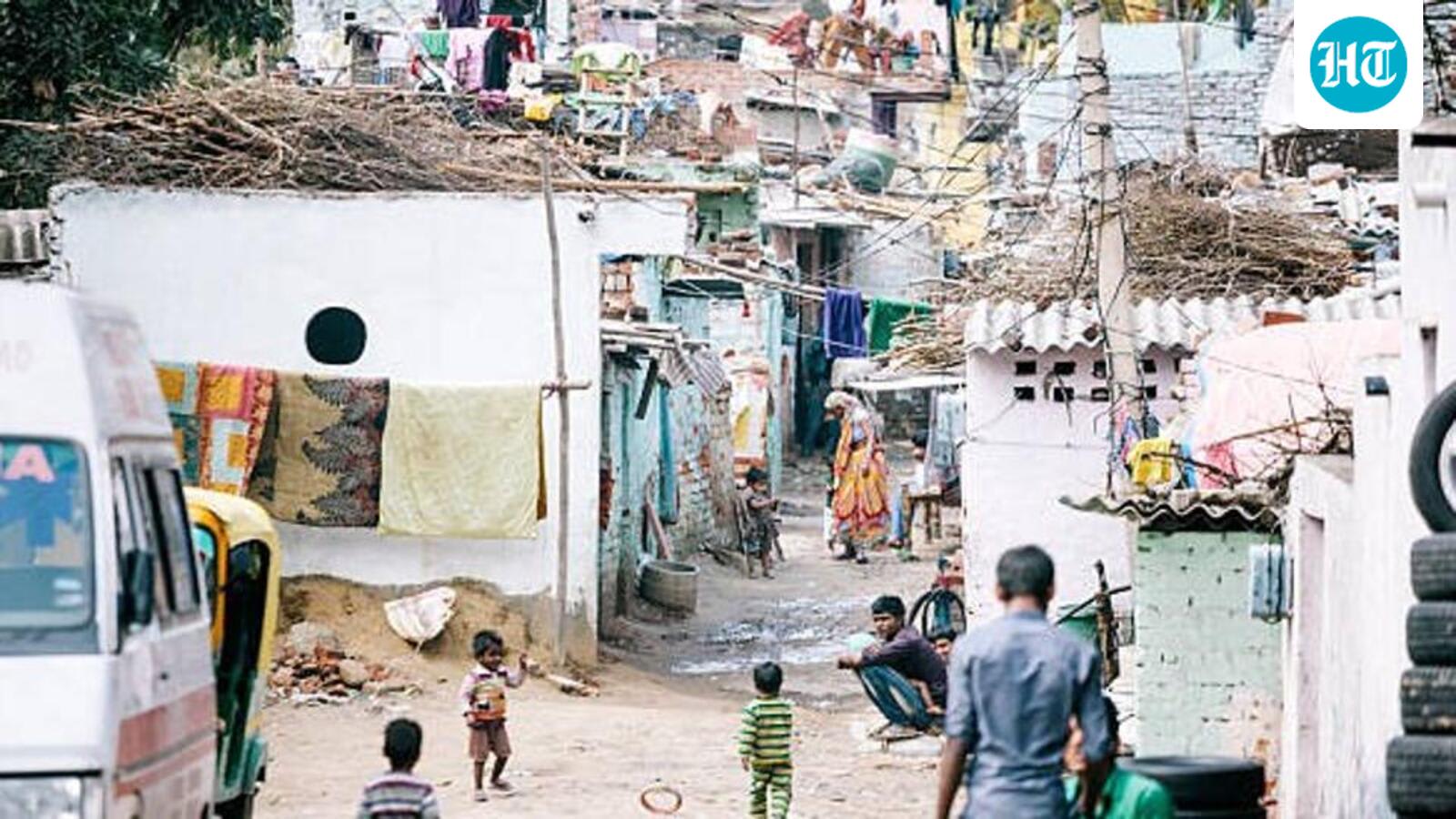
The Delhi government has launched a new slum rehabilitation policy using a PPP model to redevelop 17 settlements across Seelampur, Sultanpuri, and Lajpat Nagar. This initiative aims to replace 4,870 shanties with high-rise residential colonies through private-sector participation.
Delhi's New Paradigm for Urban Renewal
The Delhi government has officially notified its new slum rehabilitation policy, marking a significant shift in how the capital addresses the chronic issue of informal settlements. By adopting a Public-Private Partnership (PPP) model for in-situ redevelopment, the administration aims to transition from traditional relocation tactics to a more integrated, sustainable urban development framework. The initial phase of this policy targets 17 specific slum clusters located in Seelampur, Sultanpuri, and Lajpat Nagar, signaling a concerted effort to modernize living conditions for thousands of residents.
The Mechanics of the 2026 Policy
Under the 'Delhi Slum and Jhuggi Jhopri Rehabilitation and Relocation Policy, 2026,' the government seeks to overcome the financial hurdles that have historically stalled urban renewal projects. By incentivizing private developers, the policy allows these entities to construct high-rise residential colonies for eligible residents. In exchange, developers are granted the right to utilize portions of the land for mixed-use development, ensuring that the projects remain financially viable and attractive to the private sector while fulfilling the state's social welfare mandate.
Addressing the Scale of Displacement
The project scope is substantial, covering a total of 4,870 shanties across the three identified zones. The largest of these settlements is situated along Brahmpuri Road in New Seelampur, a densely populated area in North-East Delhi. The transition from low-rise, informal structures to high-rise, formal housing represents a major logistical and social undertaking. By focusing on in-situ redevelopment, the government hopes to minimize the disruption to the residents' livelihoods, social networks, and access to local economic hubs.
Strategic Economic Implications
The shift toward a PPP model reflects a broader trend in Indian urban planning, where the burden of infrastructure development is increasingly shared between the public and private sectors. By leveraging land value through mixed-use development, the government intends to create self-sustaining colonies that provide better sanitation, safety, and infrastructure. This approach not only addresses the immediate housing deficit but also contributes to the formalization of urban land use, which is essential for the long-term economic integration of these communities.
Future Trends and Challenges
While the policy offers a clear roadmap, the success of this initiative will depend on the effective implementation of the 2026 guidelines and the ability to balance developer profits with the rights of the slum residents. Future trends in Delhi's urban development will likely be dictated by the outcomes of these 17 initial projects. If successful, this model could serve as a template for other metropolitan areas across India facing similar challenges of rapid urbanization and the proliferation of informal housing. The government must now ensure transparent selection processes and strict adherence to the rehabilitation standards to maintain public trust.
Verification Required?