Delhi HC refuses interim bail to Al Falah university chairman Jawad Siddiqui in ED cases
Source Entity
Latest News: Today's Latest News Headlines from India & World | Hindustan Times | Hindustan Times
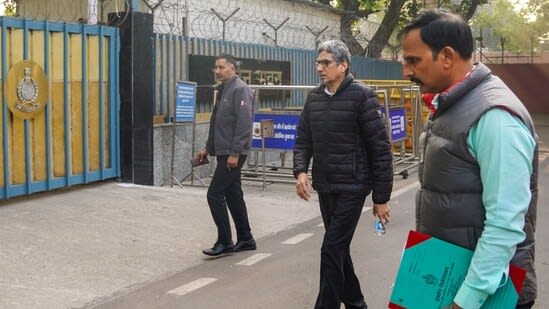
The Delhi High Court has denied interim bail to Al Falah University chairman Jawad Ahmed Siddiqui, who is facing money laundering charges. While rejecting the release, the court granted custody parole for him to visit his ailing wife.
Delhi High Court Denies Interim Bail to Jawad Ahmed Siddiqui
The Delhi High Court has officially denied the request for a six-week interim bail filed by Jawad Ahmed Siddiqui, the chairman of the Al Falah University group. Siddiqui, who is currently in judicial custody, is facing serious legal challenges involving two separate money laundering cases investigated by the Enforcement Directorate (ED). The petition for interim release was primarily predicated on the critical health status of his wife, who is battling stage 4 ovarian cancer.
Judicial Reasoning and Risk Assessment
In presiding over the matter, Justice Saurabh Banerjee highlighted significant concerns regarding the potential for judicial interference should the accused be released. The court explicitly noted that Siddiqui remains a flight risk, suggesting that his release could jeopardize the ongoing investigations. Furthermore, the bench expressed apprehension that the petitioner might exert undue influence over potential witnesses or attempt to tamper with critical evidence, which remains a standard concern in complex financial crime litigation.
Balancing Humanitarian Grounds with Legal Precedent
While the court denied the plea for interim bail, it acknowledged the humanitarian aspect of the situation. Justice Banerjee observed that the medical records presented did not indicate an "emergent situation" that would necessitate a full release, noting that the patient's condition was not currently deteriorating. To balance the requirements of the law with the petitioner's family circumstances, the court granted Siddiqui custody parole, allowing him to meet his wife on three specific dates under official supervision.
Implications of Financial Crime Investigations
This decision underscores the stringent approach taken by Indian courts regarding bail in cases involving the Prevention of Money Laundering Act (PMLA). Financial crimes often involve complex webs of evidence, and the judiciary frequently prioritizes the integrity of the investigative process over personal requests for release, unless there is a clear, immediate medical crisis that cannot be managed within the scope of custody parole or jail medical facilities.
Broader Context of Institutional Accountability
As the chairman of an educational institution, Siddiqui's legal situation highlights the increasing scrutiny on the financial management of large private entities. The involvement of the ED signals the high-stakes nature of the allegations, which likely involve significant financial transactions. The court's refusal to grant bail reinforces the principle that individuals in positions of high authority are held to strict standards, and their potential to influence the judicial process is evaluated with heightened caution.
Future Outlook and Legal Trajectory
Looking ahead, the legal battle for Siddiqui will likely continue to center on the admissibility of evidence and the validity of the money laundering charges. The court's decision to allow restricted contact with his family on custody parole serves as a middle-ground resolution, preventing total isolation while ensuring that the accused remains within the reach of the law. Future hearings will undoubtedly focus on whether the evidentiary threshold for continued detention remains met as the trial progresses.
Verification Required?