Delhi High Court refuses to entertain PIL seeking NIA probe into CJP’s ‘Chalo Sansad’ march
Source Entity
India Latest News: Top National Headlines Today & Breaking News | The Hindu
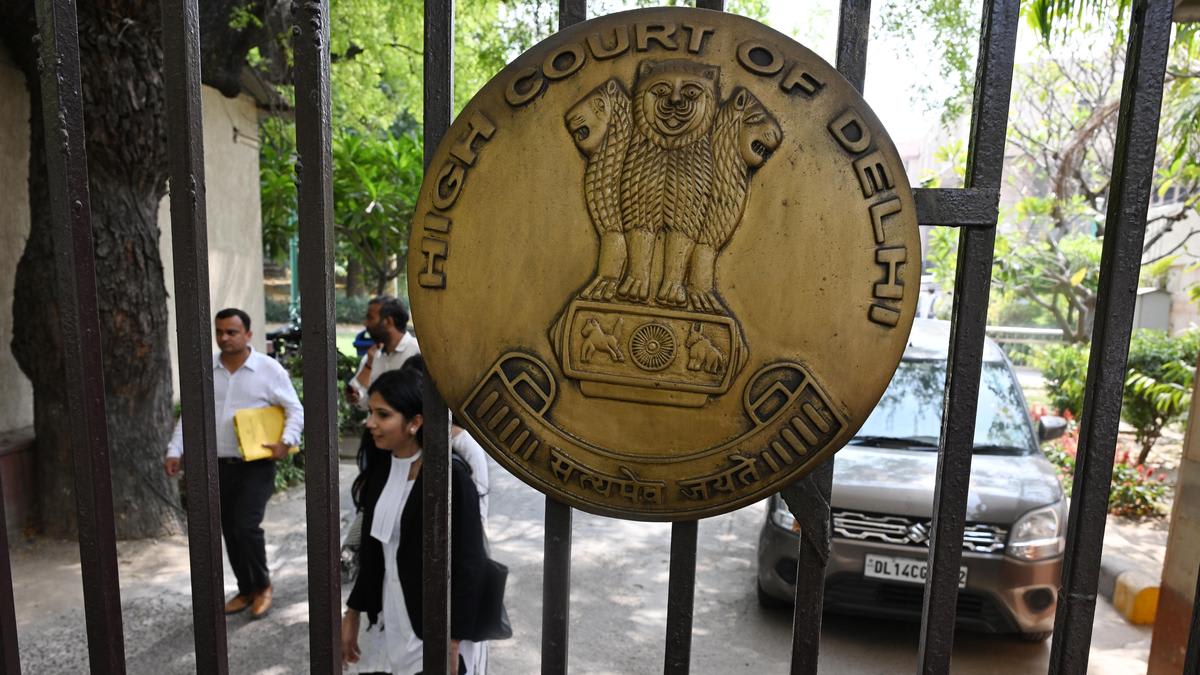
The Delhi High Court has dismissed a PIL seeking an NIA investigation into the Cockroach Janta Party’s 'Chalo Sansad' march. The court emphasized that the Centre holds the authority to refer such matters to the NIA and that existing legal mechanisms are sufficient for addressing alleged vandalism.
Delhi High Court Dismisses Plea for NIA Probe into 'Chalo Sansad' March
The Legal Backdrop
On July 24, 2026, the Delhi High Court delivered a significant ruling, refusing to entertain a Public Interest Litigation (PIL) that demanded an investigation by the National Investigation Agency (NIA) or another specialized agency into the 'Chalo Sansad' march. The protest, organized by the Cockroach Janta Party (CJP), was held on July 20 to voice dissent against the NEET-UG paper leak and related academic grievances.
Judicial Restraint and Jurisdictional Limits
A Bench comprising Chief Justice D. K. Upadhyaya and Justice Tejas Karia underscored a fundamental principle of administrative law: the judiciary's role is not to usurp the executive’s authority. The court explicitly stated that the decision to refer a case to the NIA rests solely with the Centre. By declining to intervene, the Court reinforced the separation of powers, noting that the alleged incidents of vandalism were already within the notice of the relevant authorities who are expected to act in accordance with the law.
Context of the Protest and Allegations
The 'Chalo Sansad' march, which moved from Jantar Mantar toward Parliament House, was marked by significant tension and reported violence. The situation was further complicated by competing narratives; while the PIL sought an NIA probe into the violence, other concurrent petitions have requested inquiries into alleged police excesses during the demonstrations. The court’s refusal to grant the NIA probe represents a refusal to escalate the matter into a federal terror investigation, signaling a preference for local law enforcement handling of civil unrest.
Balancing Public Order and Civil Liberties
The Delhi High Court’s approach suggests a measured response to the volatility of student-led protests. By acknowledging that the Jantar Mantar incident was not an 'isolated' case, the bench has shown a willingness to address broader systemic issues, such as the regulation of protests and police conduct, without necessarily invoking the draconian powers of the NIA. This indicates a judicial preference for standard criminal procedure over extraordinary federal intervention in civil demonstrations.
Future Implications for Protests in the Capital
This ruling establishes a clear precedent for how the court intends to handle future petitions regarding political demonstrations. By forcing the petitioner to withdraw their plea after Solicitor General Tushar Mehta’s intervention, the court has effectively signaled that it will not serve as a venue for bypassing the executive branch in criminal investigations. Moving forward, the focus will likely shift toward the ongoing investigation into police conduct and the specific legal actions taken by the Delhi Police regarding the vandalism during the July 20 march.
Multiple Citing Sources
Verification Required?