Delhi HC refuses to hear plea seeking NIA, CBI probe into July 20 protest march
Source Entity
TOI NEWS DESK
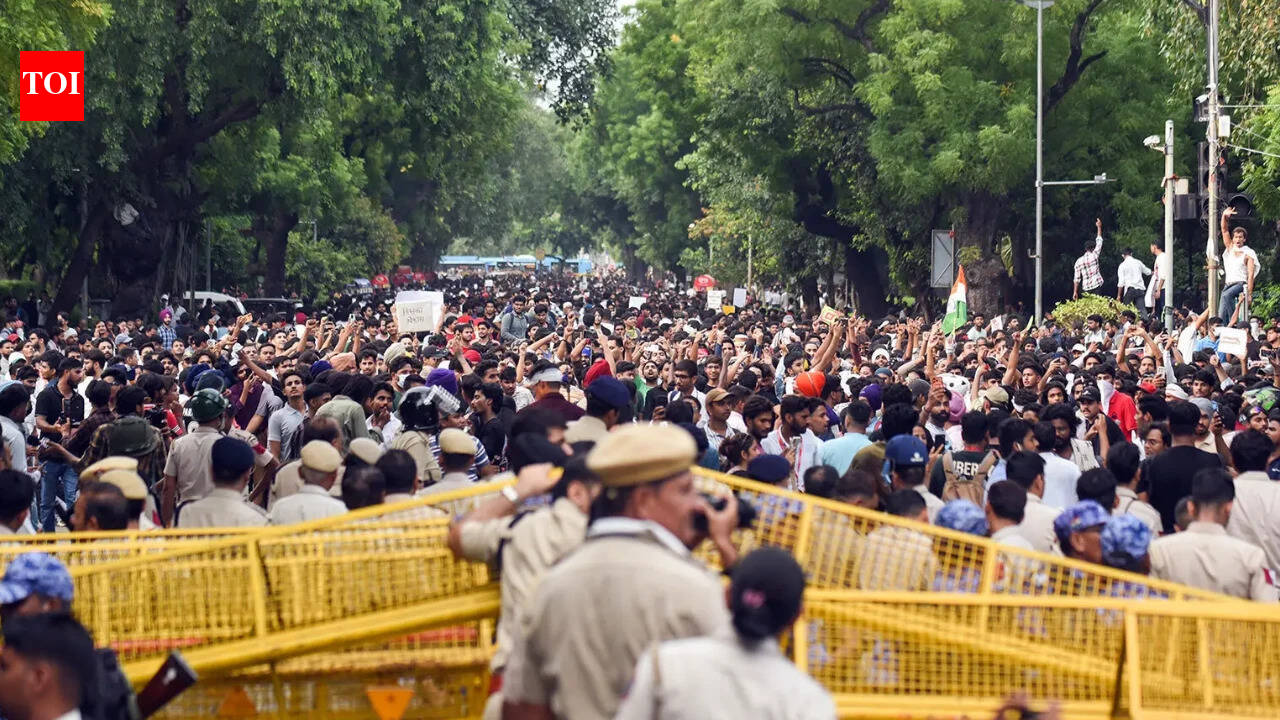
The Delhi High Court has dismissed a PIL demanding a central probe into the July 20 'Chalo Sansad' protest march. Meanwhile, the Cockroach Janta Party continues to pressure the government for the Education Minister's resignation amid ongoing NEET examination controversies.
Delhi High Court Rejects Probe Request Amid Ongoing NEET Protests
Judicial Stance on the July 20 Protest
The Delhi High Court has formally dismissed a Public Interest Litigation (PIL) that sought an investigation by the National Investigation Agency (NIA) or the Central Bureau of Investigation (CBI) into the 'Chalo Sansad' protest march held on July 20. The court's decision, which resulted in the petition being withdrawn, underscores the judiciary's preference for allowing executive authorities to manage law and order concerns. By noting that authorities are already aware of the incident and possess the mandate to act if necessary, the court has effectively signaled that it will not intervene in the policing of student-led political demonstrations at this juncture.
The NEET Paper Leak Fallout and Political Pressure
The underlying catalyst for these protests remains the widespread fallout from the NEET examination paper leak controversy. This issue has galvanized student groups and activists, with the Cockroach Janta Party (CJP) emerging as a central figure in the agitation. The movement has transcended a mere critique of examination administration, evolving into a broader political demand for accountability at the highest levels of the Ministry of Education. The CJP’s insistence that the resignation of Union Education Minister Dharmendra Pradhan is a non-negotiable condition for ending the impasse highlights the deepening polarization between the student demonstrators and the central government.
Escalating Security Measures in the Capital
In response to the persistent protests at Jantar Mantar and the potential for civil unrest, the central government has taken significant steps to bolster security in the national capital. The decision to airlift additional companies of the Central Reserve Police Force (CRPF) to Delhi indicates a heightened state of alertness. This security mobilization is particularly critical given the proximity of Independence Day, a period during which the government typically enforces strict security protocols to prevent any disruptions to national proceedings.
The Role of Negotiations and Future Stability
Despite the heavy security presence, the government and the CJP have engaged in ongoing dialogues aimed at reaching a peaceful resolution. These discussions represent a delicate balancing act for the administration, which must address the grievances of thousands of students while simultaneously maintaining public order and ensuring the integrity of the examination system. The persistence of the CJP at Jantar Mantar suggests that the movement remains well-organized and committed to its agenda, ensuring that the NEET row will continue to dominate the political discourse in the coming weeks.
Broader Implications for Governance
The refusal of the court to mandate a central probe, coupled with the government’s reliance on law enforcement to manage the streets, reflects a systemic tension in responding to youth-led movements. As the protests enter their second month, the outcome of the negotiations will likely set a precedent for how the current government addresses future large-scale dissent. Whether a compromise can be reached—or if the deadlock persists—will depend on the willingness of both parties to navigate the non-negotiable demands surrounding ministerial accountability and systemic academic reform.
Multiple Citing Sources