Protests fallout: NTA sacks 47 officials in big overhaul, some to face criminal action
Source Entity
TOI NEWS DESK
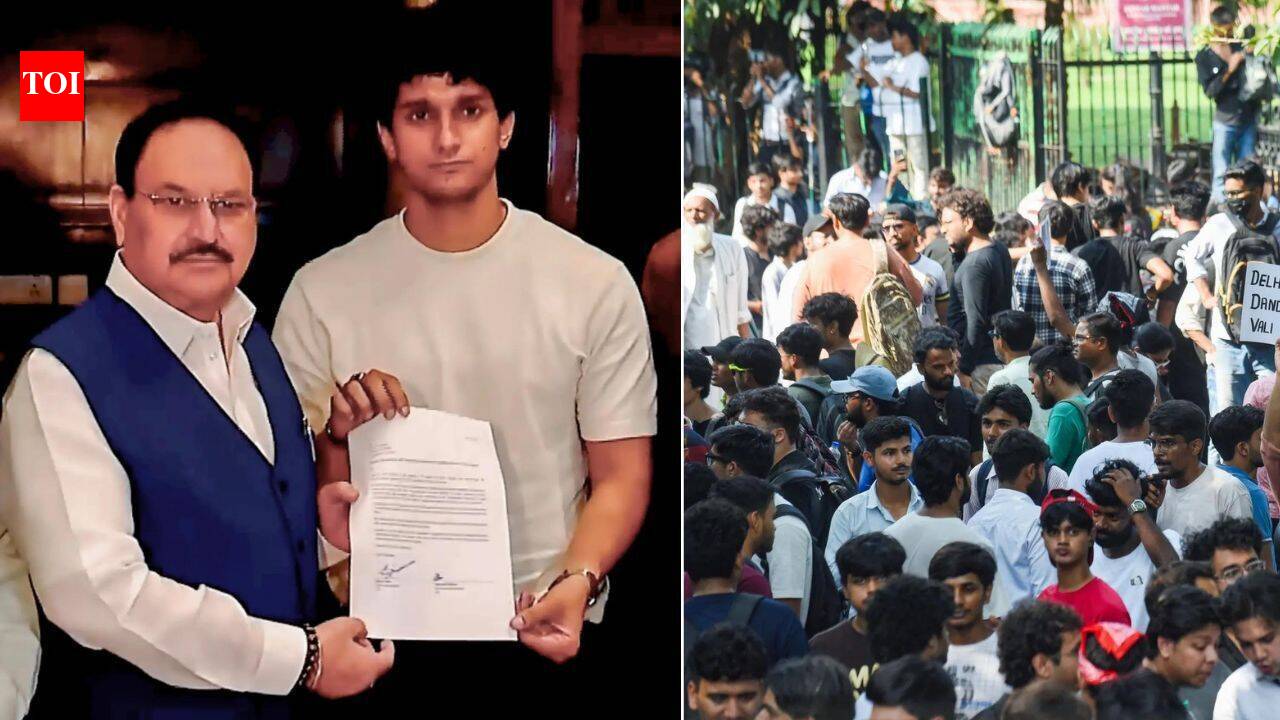
The government has initiated a major overhaul of the NTA, firing 47 officials following widespread protests over paper leaks. Despite these actions, talks between the Centre and the CJP remain deadlocked over demands for Education Minister Dharmendra Pradhan's resignation.
The NTA Overhaul: A Response to Systemic Failure
The National Testing Agency (NTA) is currently undergoing a massive structural reorganization, evidenced by the termination of 47 officials and the initiation of a comprehensive recruitment overhaul. This drastic measure comes as a direct response to the escalating crisis surrounding alleged paper leaks that have compromised the integrity of high-stakes examinations like NEET. The government's move, coupled with the Cabinet's approval of a tougher anti-paper leak law, signals an attempt to restore public trust in India's examination infrastructure.
The Deadlocked Dialogue
Despite the government's administrative actions, the political situation remains volatile. Recent discussions between the Centre and the Cockroach Janta Party (CJP) have ended in a stalemate. A primary point of contention is the continued tenure of Union Education Minister Dharmendra Pradhan. While the government has requested additional time to deliberate on the protesters' demand for his resignation, the lack of a breakthrough underscores a deepening divide between the administration and student advocacy groups.
Escalating Protests and National Solidarity
The agitation is no longer confined to the national capital. Protests have expanded geographically, with organizations like the Naujawan Bharat Sabha and the Disha Students’ Organisation staging demonstrations in other regions to express solidarity with the Jantar Mantar protesters. These groups are not only calling for the resignation of the Education Minister but are also demanding the total abolition of the NTA, citing a failure of accountability within the current testing framework.
Legal and Judicial Dimensions
The conflict has also drawn the attention of the judiciary, with the Supreme Court set to hear pleas regarding the police response to the demonstrators. The Chief Justice of India has clarified previous remarks, highlighting the sensitivity of the situation. As the government promises stricter action, the legal battles will likely play a crucial role in determining the future of both the accused officials and the protesters who have faced police intervention.
Future Implications and Political Trends
Looking ahead, the government's ability to stabilize the testing regime will depend heavily on the effectiveness of the new anti-paper leak legislation. The political pressure exerted by opposition figures like Rahul Gandhi, who has actively reiterated the students' demands, suggests that this issue will remain a focal point of national discourse. If the administration fails to provide a satisfactory resolution regarding ministerial accountability and systemic reform, the movement is likely to gain further momentum, potentially forcing more significant changes to the educational governance structure.
Multiple Citing Sources