Parliament Monsoon Session 2026 Live Updates: Lok Sabha Adjourned Till Monday, Centre Says Not Holding NEET Debate Will Send Wrong Message
Source Entity
NDTV News Search Records Found 1000
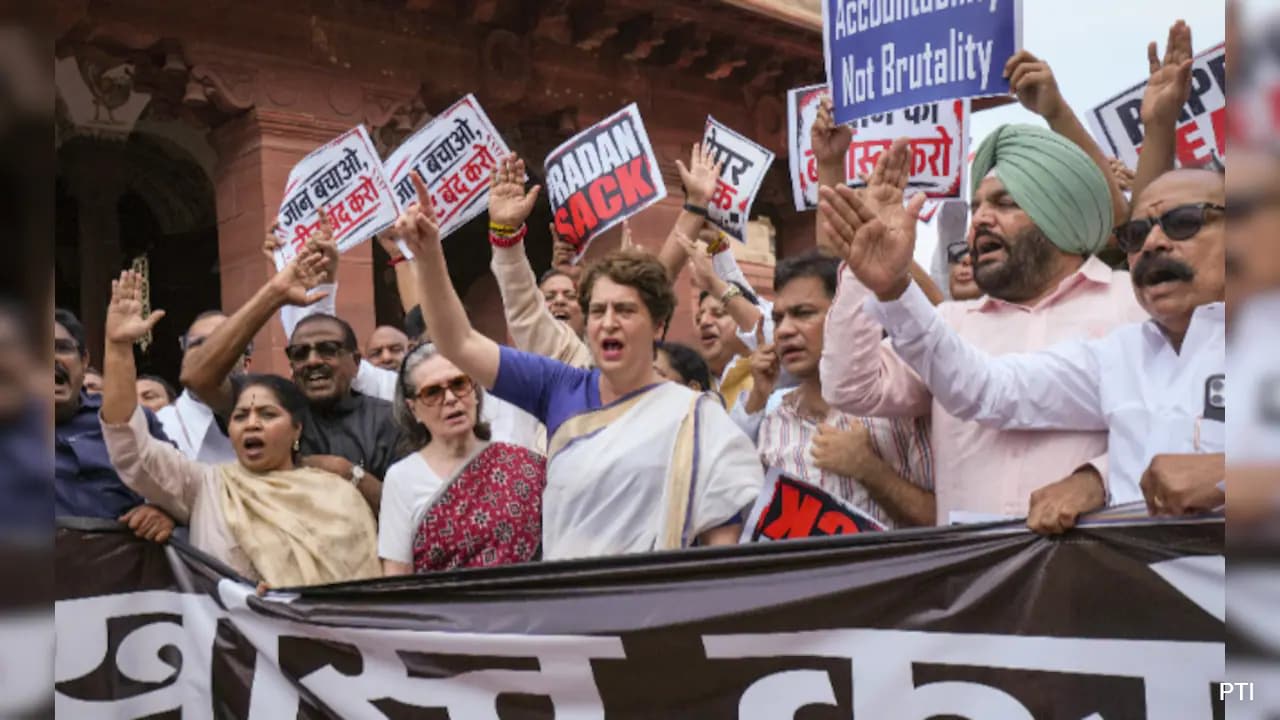
Opposition leaders led by Rahul Gandhi paid tribute at Gandhi Smriti to students who died following NEET paper leaks. The event highlighted political tensions as police barricaded movement, reflecting ongoing friction between the government and the INDIA bloc.
Opposition Unites in Solidarity Amidst NEET Crisis
On July 23, 2026, a significant political mobilization occurred as leaders from the Congress party and the broader INDIA bloc gathered to pay homage to students who reportedly took their lives following the NEET paper leak controversy. Led by the Leader of the Opposition (LoP) in the Lok Sabha, Rahul Gandhi, the delegation sought to spotlight the human cost of the examination system's failure. By assembling at Gandhi’s residence and proceeding to the Gandhi Smriti, the opposition emphasized a symbolic connection to the values of the Mahatma while demanding accountability for the academic crisis.
Symbolic Gestures and Political Messaging
The choice of venue—Gandhi Smriti, the site of Mahatma Gandhi’s assassination—carried heavy symbolic weight. Rahul Gandhi, accompanied by MPs like Mahua Majhi and Mahua Moitra, carried a copy of the Constitution, signaling the opposition's intent to frame the NEET issue as a matter of fundamental rights and systemic integrity. The act of singing the national anthem and paying homage with folded hands served as a calculated display of unity, aimed at projecting the opposition as the primary defenders of the student community against systemic administrative failures.
Tensions with Law Enforcement
The event was marked by significant friction between the opposition and Delhi authorities. Reports indicate that police erected barricades on Sunehri Bagh Road to restrict the movement of Congress and Youth Congress workers. Furthermore, Rahul Gandhi alleged that the opposition had initially sought permission to visit India Gate to express solidarity, a request that was reportedly denied. These logistical hurdles underscore the tense climate in the capital, where student protests and political demonstrations frequently collide with security protocols.
The NEET Controversy: A Catalyst for Dissent
The core of this mobilization remains the NEET paper leak, a scandal that has caused widespread distress among students and parents across the nation. By standing behind the demands of the agitating students, the INDIA bloc is attempting to bridge the gap between parliamentary politics and grassroots activism. The opposition’s insistence on supporting those injured during recent police actions suggests a strategic attempt to frame the government’s response to student protests as heavy-handed and indifferent to the plight of the youth.
Broader Political Implications
This event is indicative of a broader trend where the opposition uses localized crises to challenge the central government’s credibility. By focusing on the emotional and tragic consequences of the paper leak, the INDIA bloc is seeking to influence public sentiment beyond traditional policy debates. As the opposition continues to leverage its parliamentary strength, the ongoing struggle over the NEET issue is likely to remain a focal point of legislative and public discourse, shaping the political narrative for the foreseeable future.
Multiple Citing Sources
Verification Required?