‘Will take those extra miles’: Supreme Court to monitor NEET overhaul
Source Entity
Ananthakrishnan G
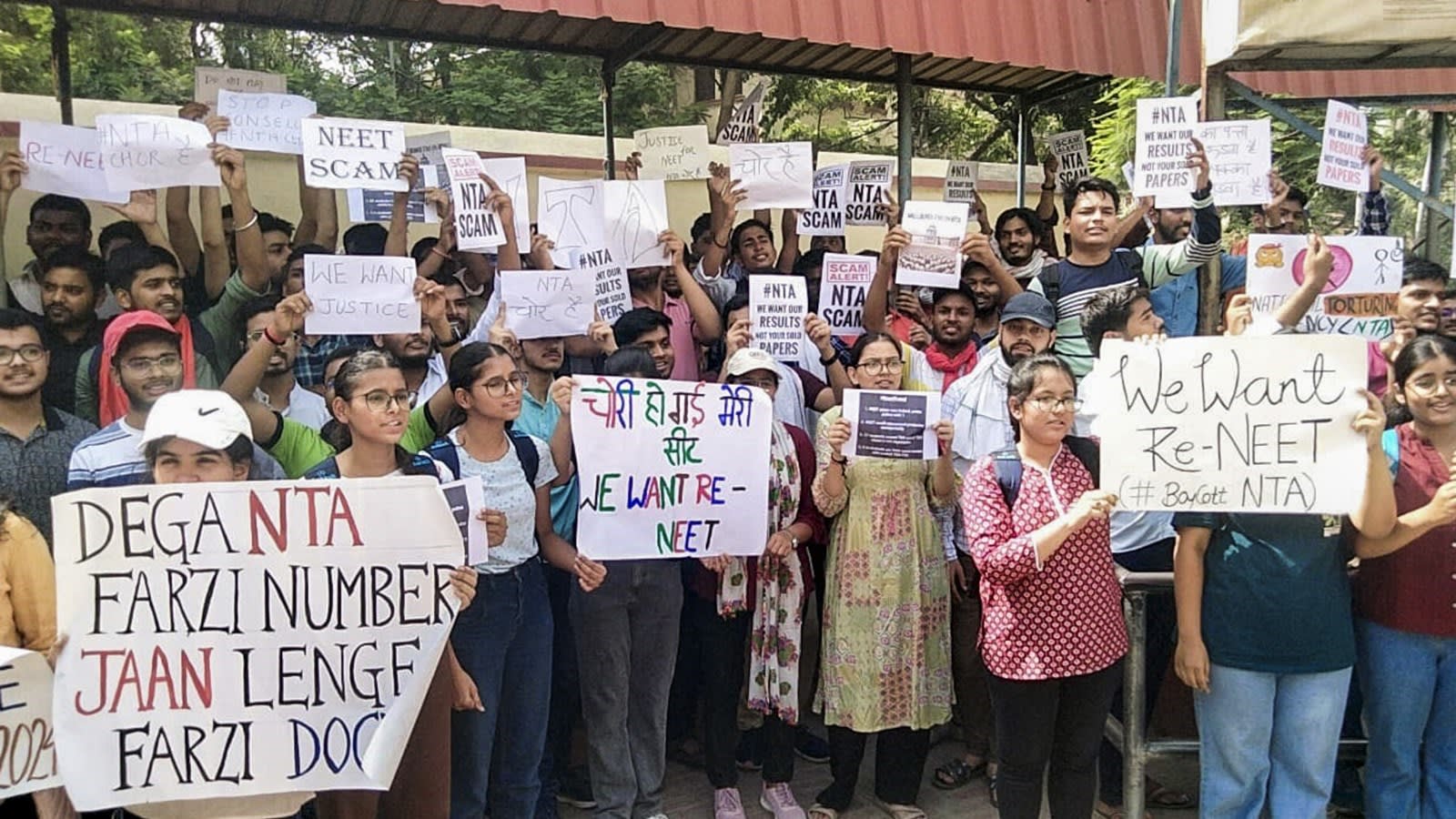
The first day of the Monsoon Session of Parliament was marked by significant disruptions in both Houses over the NEET paper leak and Ayodhya Ram Temple donation theft. Concurrently, massive protests by the Cockroach Janta Party led to widespread clashes with police in Lutyens' Delhi.
Parliament Monsoon Session Paralyzed by Protests and Public Unrest
The inaugural day of the 2026 Monsoon Session of Parliament descended into chaos on Monday, July 20, as a volatile combination of parliamentary obstruction and large-scale street protests brought legislative activity to a standstill. Opposition members from the Congress, SP, and Trinamool Congress flooded the Well of the House, while the DMK pursued separate grievances regarding the Mekedatu issue. The sheer scale of the disruption resulted in the Lok Sabha being adjourned six times before being called off for the day, signaling a turbulent start to the legislative calendar.
The Catalyst: NEET and Temple Controversies
At the heart of the parliamentary standoff lies the explosive issue of the NEET paper leak, which the Opposition has labeled a systemic scam impacting the futures of lakhs of students. Simultaneously, reports of theft regarding donations at the Ayodhya Ram Temple have provided further fuel for the Opposition's critique of the government. These dual controversies have created a high-pressure environment, with the Opposition demanding accountability from the Union government, specifically targeting Education Minister Dharmendra Pradhan.
Clashes in the Capital
Outside the walls of Parliament, the atmosphere was equally charged. An estimated 50,000 protesters, spearheaded by the Cockroach Janta Party (CJP), descended upon Lutyens’ Delhi. The sheer volume of demonstrators forced the police to deploy lathicharges, tear gas, and water cannons across major arterial roads, including Ashoka Road and Janpath. The objective of these protesters—the resignation of the Education Minister—mirrored the demands voiced by their political counterparts within the House, highlighting a rare synchronization between street-level activism and parliamentary opposition.
Legislative Business Amidst Turmoil
Despite the frequent interruptions that effectively washed out the first day, the government managed to transact a singular, critical piece of legislative business. Union Law Minister Arjun Ram Meghwal successfully introduced a Bill intended to replace an existing Ordinance. This legislative move aims to expand the strength of the Supreme Court of India from 34 to 38 judges, including the Chief Justice. This introduction serves as a rare point of progress in an otherwise stagnant day, underscoring the government's intent to push key judicial reforms despite the surrounding political volatility.
Broader Implications and Future Trends
The events of July 20 signify a hardening of stances between the ruling coalition and the Opposition. With the DMK opting to skip the Congress-led strategy meetings, the internal dynamics of the Opposition bloc appear fluid and regionally focused. The intense focus on the NEET issue suggests that the government will face persistent pressure regarding education policy and administrative oversight throughout the session. If the current trend of daily disruptions continues, the government may struggle to pass its broader legislative agenda, potentially forcing a shift toward more aggressive parliamentary management or increased reliance on executive ordinances to bypass legislative gridlock.
Conclusion
As the Monsoon Session progresses, the confluence of street protests and parliamentary obstruction presents a significant challenge to the stability of the current legislative session. The government’s ability to navigate these demands while maintaining the decorum of the House remains to be seen. With the judiciary expansion bill now on the table, the coming days will likely determine whether the session can pivot toward substantive policy debate or remain trapped in a cycle of confrontation.
Multiple Citing Sources