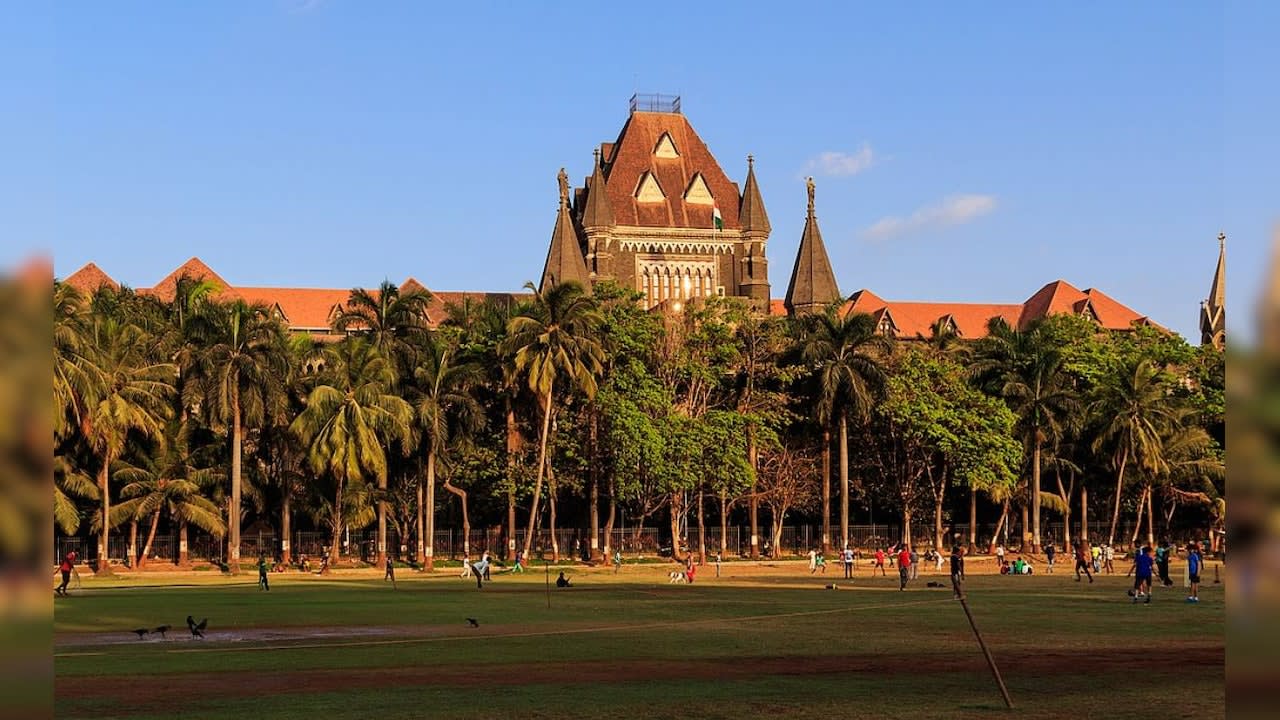
Bombay High Court Notifies 2 Special Courts For Paper Leak Cases
Source Entity
NDTV News Search Records Found 1000
The Monsoon Session of Parliament faced immediate disruption as Opposition MPs protested alleged NEET irregularities and temple issues. Simultaneously, massive street protests in Delhi led to police intervention, highlighting rising political tension.
Parliament Paralyzed: The Opening of the Monsoon Session
The Monsoon Session of Parliament commenced on a volatile note this Monday, July 20, 2026, as the Lok Sabha faced repeated adjournments. The legislative agenda was effectively sidelined by a unified Opposition—comprised of members from Congress, the Samajwadi Party (SP), and the Trinamool Congress—who descended into the Well of the House to register their dissent. The primary catalysts for this disruption were the alleged NEET paper leak and reports of theft concerning Ram Temple donations, reflecting a deepening rift between the government and the Opposition.
The NEET Controversy and Public Unrest
Beyond the parliamentary walls, the capital witnessed a massive mobilization of citizens. Tens of thousands of protesters, spearheaded by the Cockroach Janta Party (CJP), converged on Lutyens’s Delhi to demand the immediate resignation of Union Education Minister Dharmendra Pradhan. The scale of the demonstration, estimated at over 50,000 individuals, necessitated a robust response from security forces. Police utilized lathicharges, tear gas, and water cannons across major thoroughfares including Janpath and Raisina Road to contain the movement as protesters attempted to breach barricades.
Legislative Stagnation Amidst Crisis
Despite the intense atmosphere, the government managed a singular legislative milestone. Union Law Minister Arjun Ram Meghwal successfully introduced a Bill aimed at replacing an Ordinance that increases the strength of the Supreme Court bench. This move underscores the government's intent to expedite judicial capacity, even as the broader legislative schedule remains vulnerable to the ongoing political standoff regarding educational integrity and administrative accountability.
Judicial Interventions and Legal Timelines
In a parallel development addressing the core of the protest grievances, the Bombay High Court has moved to establish two special courts dedicated exclusively to paper leak cases. This institutional response is grounded in the 2024 Act, which mandates a strict three-month timeline for the completion of such trials. This development serves as a critical pressure release valve, aiming to restore public confidence in examination systems through accelerated judicial outcomes.
Coalitional Dynamics and Future Outlook
Political maneuvering remains fluid, as evidenced by the DMK’s decision to prioritize the Mekedatu water issue, choosing to bypass the Congress-led strategy meetings. This fragmentation within the Opposition suggests that while the NEET issue provides a common platform, regional interests remain potent drivers of legislative behavior. As the session progresses, the government will likely face continued pressure to balance administrative reforms—such as the judicial expansion bill—with the mounting public demand for accountability in the education sector. The coming days will test the durability of the current parliamentary stalemate and the government's ability to maintain public order in the capital.
Multiple Citing Sources
Verification Required?