After meeting Law Minister, Delhi HC lawyers call off strike over jurisdiction concerns
Source Entity
Sohini Ghosh
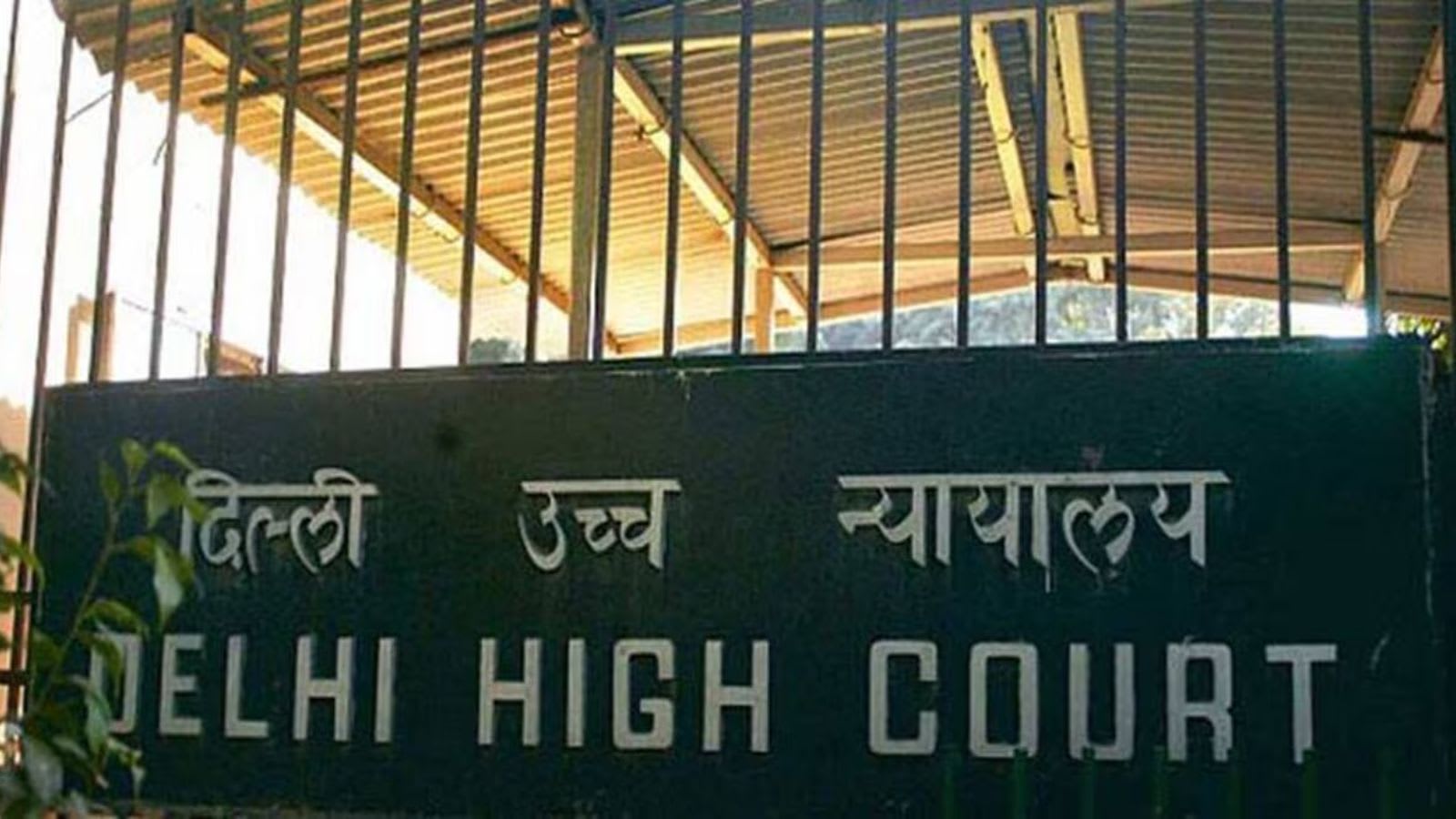
The Delhi High Court Bar Association (DHCBA) has suspended its strike after a meeting with the Law Minister, resolving tensions over jurisdiction concerns that primarily affected intellectual property law practitioners.
Resolution of the Delhi High Court Legal Standoff
The recent decision by the Delhi High Court Bar Association (DHCBA) to suspend its call for abstention from work marks a critical resolution in a period of heightened tension between the legal fraternity and administrative authorities. The strike, which had seen a significant portion of the legal community withdraw their services, was primarily driven by concerns regarding jurisdictional shifts. The intervention of the Union Law Minister proved pivotal, facilitating a dialogue that transitioned the conflict from a public standoff to a diplomatic negotiation, thereby ensuring that the judicial machinery of one of India's most influential courts could resume normal operations.
The Crux of the Conflict: Jurisdictional Anxiety
At the heart of this dispute lay deep-seated concerns regarding jurisdiction, particularly among lawyers specializing in Intellectual Property (IP) law. In the legal world, jurisdiction is not merely a procedural detail but a foundational element that determines where a case is heard and which laws are applied. For IP practitioners, the Delhi High Court has historically served as a primary hub for complex patent, trademark, and copyright litigation due to its expertise and the concentration of corporate headquarters in the capital. Any perceived shift or ambiguity in jurisdictional boundaries threatens to disrupt the predictability of legal proceedings, increase litigation costs for clients, and dilute the specialized focus of the court's IP divisions.
The Role of Executive Intervention
The resolution of this strike underscores the significant role the Law Minister plays as a bridge between the executive and the judicial administration. While the judiciary maintains independence, the administrative framework supporting the courts often falls under the purview of government ministries. By convening a meeting with the DHCBA, the Law Minister provided a platform for lawyers to voice their grievances directly to the policy-making level. This move prevented a prolonged paralysis of the court system, which would have otherwise led to a massive backlog of cases and delayed justice for thousands of litigants, further emphasizing the need for proactive communication between the Bar and the government.
Historical Context of Bar Strikes in India
This event fits into a broader, often contentious history of bar strikes across India. Historically, lawyer strikes have been used as a tool to protest judicial appointments, administrative changes, or perceived infringements on professional rights. However, the Supreme Court of India has repeatedly cautioned against such abstentions, noting that they infringe upon the fundamental right of litigants to a speedy trial. The Delhi High Court strike reflects a recurring tension: the struggle between the Bar's desire to protect professional interests and the overarching necessity of ensuring an uninterrupted judicial process. The swift resolution in this instance suggests a growing preference for dialogue over disruption.
Broader Implications for the Legal Ecosystem
Beyond the immediate cessation of the strike, this event highlights the fragility of the legal ecosystem when administrative changes are implemented without comprehensive consultation. The fact that IP lawyers were the most vocal indicates that specialized legal fields are more sensitive to jurisdictional volatility. For the business community and multinational corporations that rely on the Delhi High Court for protecting their intellectual assets, this instability could have signaled a risk to the 'ease of doing business' in India. The resolution helps restore confidence that the legal framework remains stable and that grievances can be addressed through institutional channels.
Future Trends and Predictions
Looking forward, it is likely that the government and the judiciary will seek to formalize more transparent mechanisms for discussing jurisdictional changes to avoid future strikes. We can expect a push toward clearer guidelines regarding the allocation of cases to prevent the ambiguity that triggered this particular unrest. Furthermore, as India continues to modernize its legal infrastructure, the role of specialized benches will likely expand, making the management of jurisdiction an ongoing point of negotiation. The success of the Law Minister's intervention sets a precedent for utilizing executive mediation to resolve professional disputes within the legal community before they escalate into full-scale work stoppages.