2020 riots case: HC notice to Delhi Police on bail plea by Sharjeel Imam in UAPA case
Source Entity
Latest News: Today's Latest News Headlines from India & World | Hindustan Times | Hindustan Times
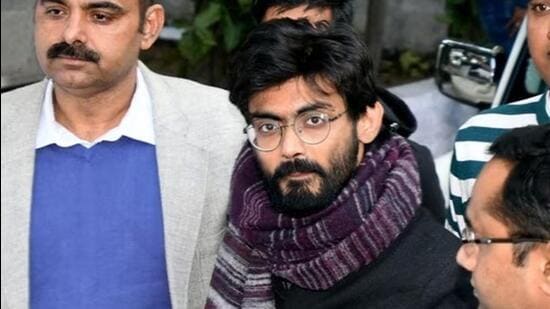
The Delhi High Court has issued a notice to the Delhi Police regarding a fresh bail plea filed by student activist Sharjeel Imam. Imam, charged under the UAPA for the 2020 Delhi riots, seeks relief based on prolonged incarceration and trial delays.
Legal Developments in the 2020 Delhi Riots Conspiracy Case
The Delhi High Court has recently initiated a new phase in the ongoing legal proceedings concerning the 2020 Northeast Delhi riots. A bench comprising Justices Prathiba M. Singh and Vikas Mahajan has issued a formal notice to the Delhi Police, seeking their response to a fresh bail application filed by student activist Sharjeel Imam. This development follows a July 4 trial court order that had declined to entertain the request, citing constraints imposed by a previous Supreme Court directive.
The Core of the Bail Argument
Sharjeel Imam, who has been in custody for over six-and-a-half years, bases his current plea primarily on the grounds of an extended period of incarceration and the significant delay in the trial process. His legal counsel, Ibrahim and Talib Mustafa, argue that the trial court erred by refusing to hear the application. They maintain that the procedural landscape remains fundamentally unchanged since the Supreme Court's January 5 ruling, which previously denied bail to both Imam and co-accused Umar Khalid.
The Supreme Court’s Hierarchy of Participation
The legal complexity of this case is rooted in the Supreme Court’s January 5 order, which created a distinct legal classification for the accused. While the Supreme Court granted bail to five other co-accused individuals, it specifically denied relief to Imam and Khalid. The Court categorized the two as being on a "higher footing" regarding their alleged "hierarchy of participation" in the conspiracy, effectively labeling them as primary architects behind the events that led to the communal violence.
UAPA and the 'Mastermind' Allegations
The prosecution has charged Imam under the stringent Unlawful Activities (Prevention) Act (UAPA). The state contends that Imam and others acted in tandem as the intellectual architects of a larger conspiracy that culminated in the February 2020 riots—a period of unrest that resulted in 53 fatalities and over 700 injuries. These charges represent the core of the state's argument for continued detention, emphasizing the severity of the alleged actions and the impact on public order.
Procedural Impasse and Future Outlook
The trial court’s July 4 rejection was framed by a sense of judicial obligation, with the presiding judge noting that they had "no option but to follow" the Supreme Court's precedent. By challenging this in the High Court, Imam's defense is testing the limits of judicial discretion when trial proceedings are perceived to be stagnating. The High Court has now set August 27 as the date for the next hearing, which will be a critical juncture in determining whether the arguments regarding prolonged incarceration can overcome the "higher footing" designation established by the Supreme Court.
Conclusion
As the Delhi High Court prepares to weigh the Delhi Police's response against the defense’s claims of excessive delay, the case remains a focal point for debates surrounding the application of the UAPA and the rights of the accused during protracted trials. The upcoming hearing in August will likely clarify whether the legal system can find a pathway for bail despite the high-level conspiracy allegations that have kept the primary accused in custody for over half a decade.
Multiple Citing Sources
Verification Required?