No cash in hand, aid for women with over 3 children in Delhi assistance scheme
Source Entity
Gayathri Mani
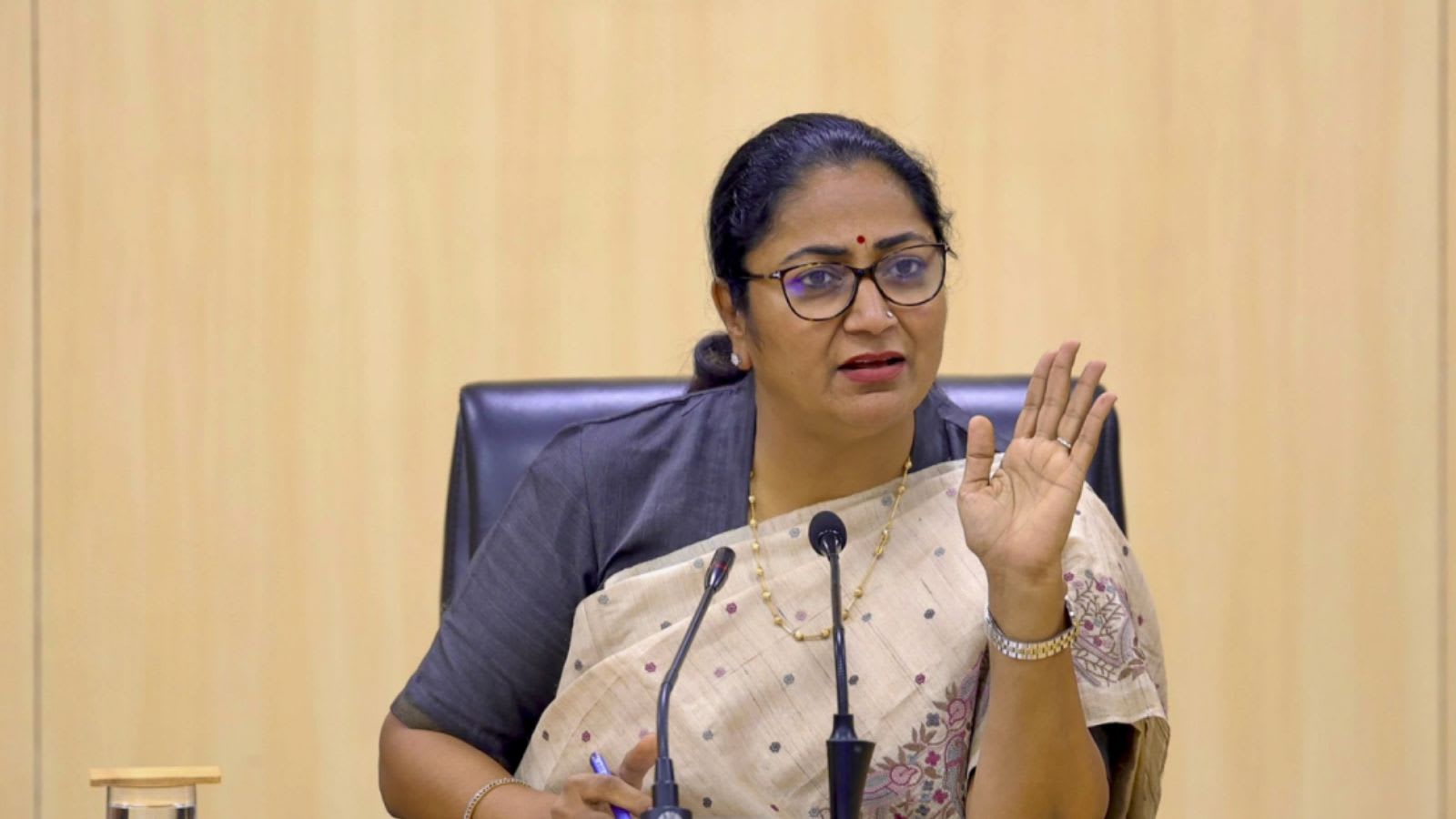
The Delhi government has approved the 'Delhi Lakshmi Yojana,' providing Rs 2,500 monthly to EWS women. The scheme notably excludes those with more than three children, targeting approximately 17 lakh beneficiaries.
The Launch of Delhi Lakshmi Yojana: A New Policy Paradigm
The Delhi government, led by Chief Minister Rekha Gupta, has officially approved the 'Delhi Lakshmi Yojana,' a flagship social welfare initiative aimed at providing financial support to women from Economically Weaker Sections (EWS). With a budgetary allocation of Rs 5,110 crore for the 2026-27 fiscal year, the scheme promises a monthly assistance of Rs 2,500 to eligible women aged between 21 and 60. This move represents a significant fulfillment of the BJP's electoral commitments in the capital, signaling a shift toward direct benefit transfers aimed at improving household economic stability.
Operational Timeline and Implementation
According to the government's roadmap, the administrative machinery is moving rapidly to ensure timely delivery. A dedicated portal for the scheme is scheduled to launch on August 1, marking the commencement of the application process. Following a rigorous verification and scrutiny phase, the government aims to disburse the inaugural installment to the first batch of beneficiaries by the festival of Raksha Bandhan. This strategic timing is intended to emphasize the government's commitment to the welfare of women and ensure the scheme's visibility at the grassroots level.
The 'Three-Child' Policy: A Unique Eligibility Criterion
Perhaps the most distinctive aspect of the Delhi Lakshmi Yojana is the inclusion of specific disqualifying conditions, most notably a cap on family size. Women with more than three living children are excluded from receiving the cash benefits. This policy stands out as a unique feature among similar cash transfer schemes currently operational in other BJP-ruled states. By linking financial aid to demographic criteria, the government is introducing a policy lever that explicitly ties state-funded social support to family planning norms.
Socio-Economic Impact and Target Demographics
Officials estimate that the scheme will reach approximately 17 lakh women across the city. However, the introduction of the three-child cap has sparked a discussion regarding the specific segments of the population most likely to be impacted. Analysis of the 2019-21 National Family Health Survey (NFHS) data reveals that among women in the poorest 20% of Delhi’s households, roughly 14.8% have more than three living children. This suggests that the policy will disproportionately affect the most marginalized families, potentially creating a divide in benefit accessibility within the EWS category.
Broader Policy Implications and Future Trends
While the scheme is designed to provide immediate relief to families, the reliance on the three-child cap reflects a broader, ongoing debate regarding population management and the role of state-led welfare. As the government transitions from policy approval to execution, the success of the scheme will be measured not only by the efficiency of its portal and disbursement process but also by the long-term demographic outcomes it may inadvertently encourage. Moving forward, the effectiveness of the Delhi Lakshmi Yojana will likely serve as a benchmark for how local administrations balance fiscal responsibility with social welfare objectives, especially in a dense urban environment like Delhi.
Multiple Citing Sources