‘Like Pradhan, Punjab education minister resignation too is non-negotiable’: State Congress chief
Source Entity
Man Aman Singh Chhina
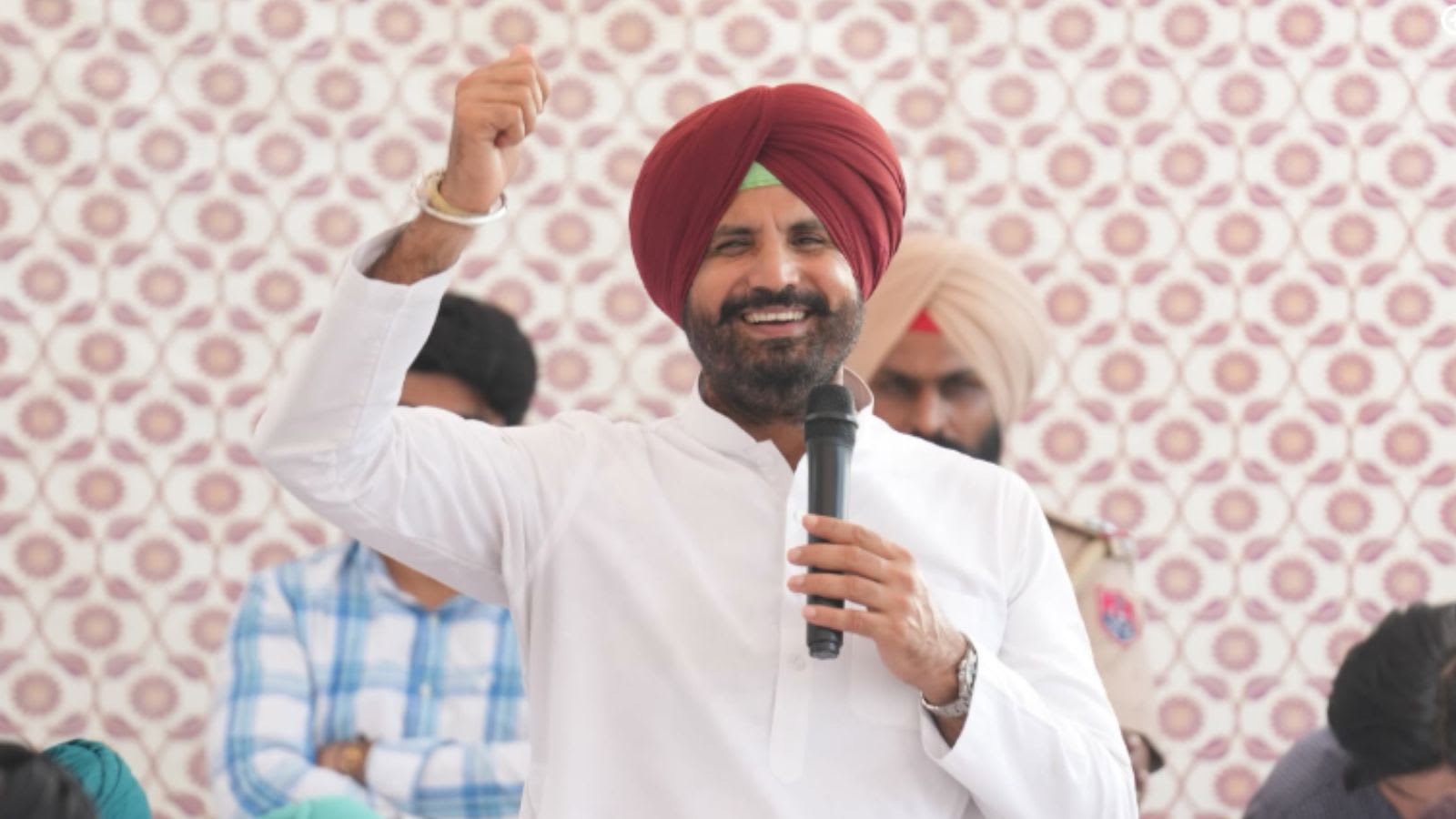
Following the resignation of Union Education Minister Dharmendra Pradhan, opposition leaders in Odisha and Punjab are demanding the resignations of their respective state education ministers. These demands stem from widespread concerns over textbook inaccuracies and recurrent examination paper leaks across the country.
The Ripple Effect of Political Accountability
The political landscape in India is currently witnessing a significant shift in the discourse surrounding educational governance. Following the resignation of former Union Education Minister Dharmendra Pradhan—a move prompted by intense scrutiny over examination paper leaks—opposition leaders across multiple states have seized the momentum to challenge regional administrations. This trend underscores a growing demand for ministerial accountability, linking central government precedents to state-level educational crises.
The Crisis in Odisha: Textbooks and Oversight
In Odisha, former Chief Minister Naveen Patnaik has explicitly called for the resignation of School and Mass Education Minister Nityananda Gond. The primary impetus for this demand is the staggering discovery of 1,678 errors in textbooks designated for Classes I to VIII for the 2026–27 academic session. Despite the formation of a high-level committee led by Development Commissioner D.K. Singh, the Biju Janata Dal (BJD) argues that the government has failed to protect the interests of students, who continue to rely on flawed academic materials. Furthermore, the BJD has highlighted a history of impunity, claiming that none of the 22 reported question paper leak incidents over the past two years have resulted in punitive action.
Expanding Concerns in Gujarat and Punjab
Simultaneously, the pattern of examination integrity failures has surfaced in other regions. In Gujarat, the Jamnagar-based Gujarat Ayurved University is currently under investigation following a suspected leak of the 'Shalya Tantra-1' paper. Reports indicate that questions were circulated via messaging platforms on the day of the exam, prompting criticism from opposition leaders like Jairam Ramesh. Similarly, in Punjab, the Aam Aadmi Party government is facing intense pressure from the state Congress leadership. Following irregularities in the pharmacy officers’ recruitment examination, Congress leaders are demanding the resignation of Education Minister Harjot Singh Bains, rejecting the administration's classification of the incident as merely a 'sophisticated cheating racket.'
The Broader Implications for Governance
The synchronized nature of these demands suggests a coordinated effort by opposition parties to frame 'educational integrity' as a defining issue for upcoming electoral cycles. By leveraging the resignation of a high-profile figure like Dharmendra Pradhan, opposition groups are setting a new benchmark for what constitutes acceptable ministerial conduct. This strategy forces ruling parties to defend their administrative competence, particularly in sectors that directly impact the future of the youth demographic.
Future Trends and Electoral Impact
As these controversies continue to unfold, the focus on 'Gen-Z' voters and the integrity of recruitment and academic testing will likely intensify ahead of the 2027 Assembly polls. The persistence of paper leaks and curriculum errors poses a significant threat to the public perception of government efficacy. If state administrations fail to implement rigorous oversight and deliver tangible justice for these systemic failures, they risk losing credibility among a demographic that is increasingly sensitive to issues of fairness, meritocracy, and educational quality. The pressure to resign is not merely a political tactic; it is a signal that educational reform has moved to the forefront of the national political agenda.
Multiple Citing Sources