Cockroaches spreading their filth, who is birthing them?: Kangana Ranaut on CJP-led protests
Source Entity
India Latest News: Top National Headlines Today & Breaking News | The Hindu
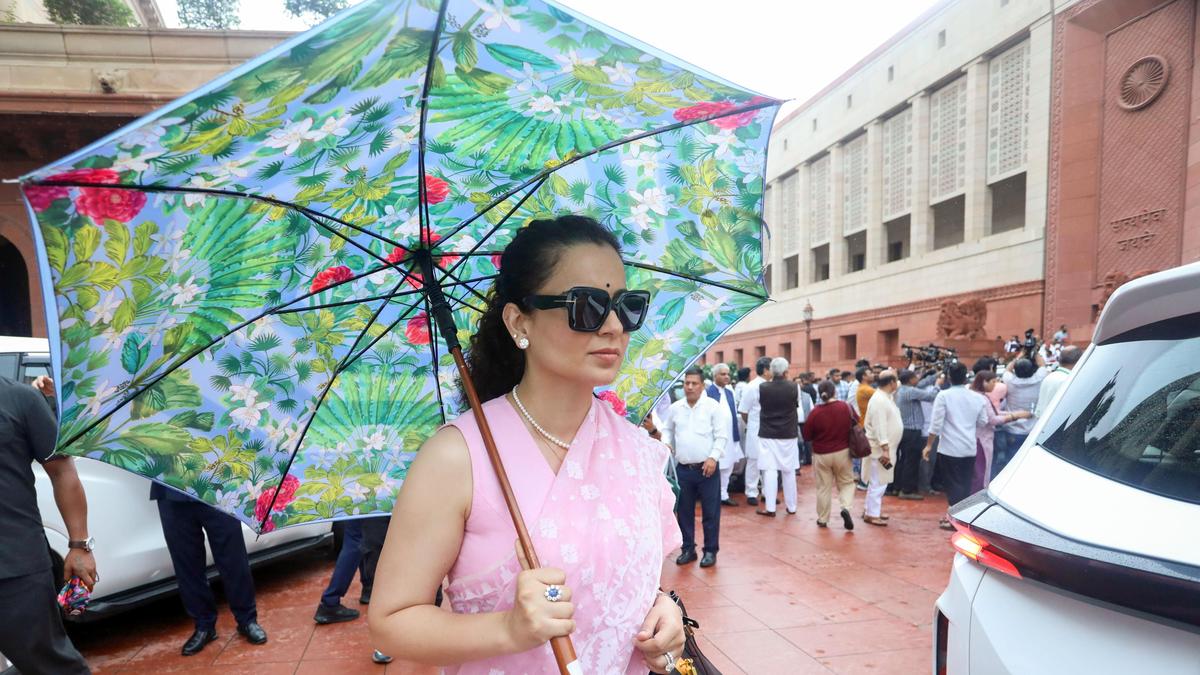
BJP MP Kangana Ranaut has strongly condemned Gen Z protesters associated with the 'Cockroach Janta Party' movement for their alleged use of abusive language against PM Modi and his family. Ranaut defended citizens who retaliated against these protesters, citing the principle of 'action and reaction' regarding public property and discourse.
The Intersection of Political Discourse and Public Protest
Recent events surrounding the 'Cockroach Janta Party' (CJP) movement have ignited a fierce debate regarding the limits of free speech and the conduct of student protesters in India. BJP MP and actress Kangana Ranaut has emerged as a vocal critic of these demonstrations, particularly focusing on the alleged use of obscene language and the targeting of Prime Minister Narendra Modi and his late mother. This confrontation highlights a widening ideological chasm between the current political establishment and a segment of Generation Z protesters.
The Justification of Retaliation
Kangana Ranaut’s recent statements on social media platforms underscore a controversial stance regarding the physical confrontations occurring on the streets. By asserting that 'every action has an equal and opposite reaction,' Ranaut has defended those who have engaged in physical altercations with protesters. Her argument posits that the use of 'filthy and abusive reels' and the potential for damage to public property invite a natural, albeit aggressive, response from citizens who support the current leadership.
Generational and Cultural Clashes
Beyond the immediate political friction, the rhetoric has taken a deeply personal and cultural turn. Ranaut’s characterization of young Hindu women participating in these protests as part of a 'Generation Gutter'—a label she uses to critique what she perceives as a 'westernised' and 'corrupt' lifestyle—reflects a broader cultural battle. By suggesting these individuals lack the discipline for traditional homemaking or academic achievement, she frames the protest as a symptomatic failure of values rather than a legitimate political grievance.
The Limits of Democratic Expression
Ranaut’s criticism of the protesters at Jantar Mantar and near the Parliament premises centers on the degradation of political discourse. She argues that while student protest is a historical tradition in India, the specific nature of the language used against the Prime Minister crosses a fundamental democratic threshold. This sentiment is echoed by the involvement of the Delhi Police, who have sought the removal of offensive content from social media, framing it as a necessary measure to curb public obscenity.
Implications for Future Political Trends
This episode signifies a shift in how political figures engage with youth movements. Rather than adopting a conciliatory tone, the current strategy involves direct confrontation and moral condemnation. By framing the CJP protesters as lacking in character and respect, the political establishment aims to delegitimize the movement's core grievances. This sets a precedent where future protests may be met with increased scrutiny regarding the 'decency' of their message, potentially chilling the environment for student-led activism.
Conclusion
The ongoing tension between the CJP movement and political figures like Kangana Ranaut demonstrates the volatile state of contemporary Indian public discourse. As the lines between legitimate dissent and perceived abuse continue to blur, the role of public perception and the legal enforcement of 'acceptable' speech will remain central to the country's political narrative. The clash is not merely over policies, but over the very definition of what constitutes respectable participation in a democracy.
Multiple Citing Sources
Verification Required?