Delhi protest: Supreme Court Bar Association expresses concerns over detention of lawyers, CJI intervenes
Source Entity
India Latest News: Top National Headlines Today & Breaking News | The Hindu
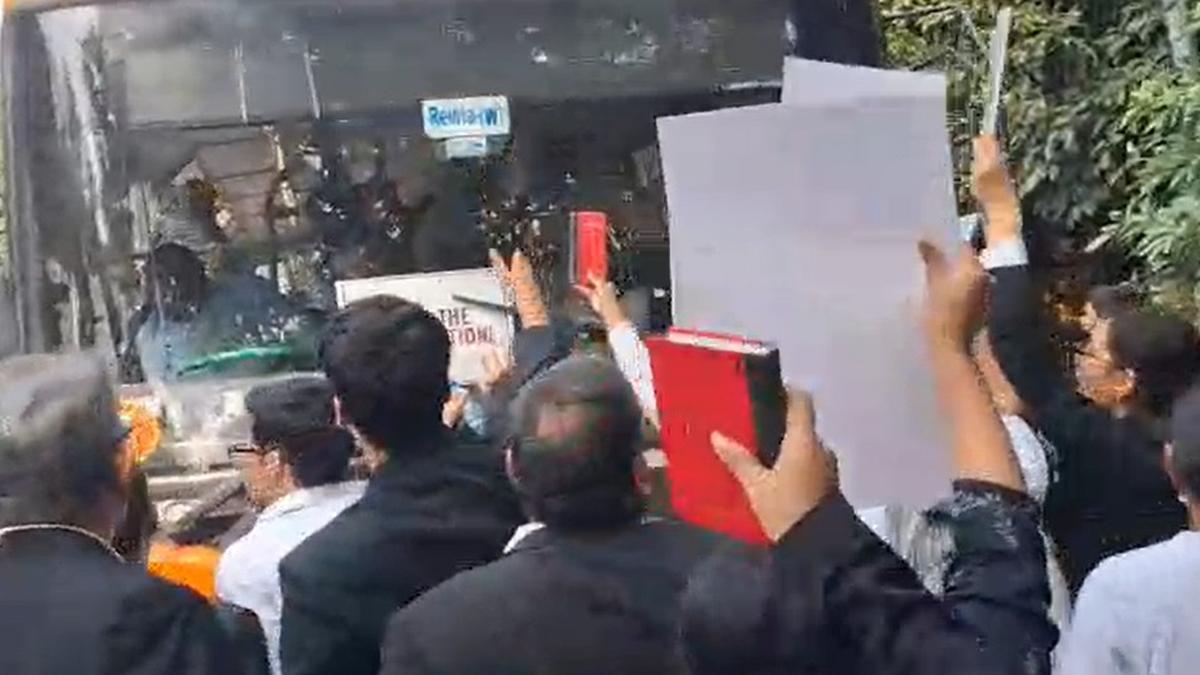
The Supreme Court and Delhi High Court Bar Associations have condemned the detention of advocates during an October 10, 2026 protest. The incident, linked to Anti-CEC and SIR process demonstrations, has prompted a formal request for intervention from the Chief Justice of India.
Tensions Escalate in Delhi Over Protests and Legal Rights
On October 10, 2026, the streets of Delhi became the site of a significant confrontation involving legal professionals, protesters, and the Delhi Police. The demonstrations, centered around the 'Anti-CEC' movement and challenges to the 'SIR process,' culminated in the detention of numerous advocates near the Supreme Court and the Bangla Sahib Gurudwara. The situation has ignited a debate regarding the boundaries of protest, the role of the judiciary in protecting legal practitioners, and the state’s approach to public dissent.
The Legal Community’s Response
The Supreme Court Bar Association (SCBA) and the Delhi High Court Bar Association (DHCBA) have issued strong condemnations regarding the events. The SCBA, acting on reports that both senior and young lawyers were among those detained, has formally requested that Chief Justice of India (CJI) Surya Kant intervene. The primary concern raised by these bodies is the alleged use of 'excessive force' by law enforcement, which they argue undermines the fundamental rights of citizens to protest peacefully.
Testimony of Excessive Force
Accounts from the ground, including those from senior advocate Shadan Farasat, paint a harrowing picture of the police interaction. Farasat alleged that officers engaged in physical aggression, including tearing his shirt and forcing him into a moving vehicle. Such reports have fueled accusations that the police response was disproportionate, leading to claims that the current environment resembles a 'police state' where the safety of legal practitioners is compromised during their participation in civil demonstrations.
Political Polarization and the SIR Process
The protests are deeply rooted in political opposition to the 'SIR process' currently being challenged in the Supreme Court. While the BJP has criticized the opposition for taking these issues to the streets rather than relying solely on parliamentary discourse, the legal community maintains that the right to protest is an essential component of a democratic society. This clash highlights a broader tension between the executive branch's desire for order and the judiciary’s role as the arbiter of constitutional rights.
Broader Implications for Rule of Law
The incident poses a critical question about the immunity and respect afforded to lawyers when they step out of the courtroom and into the public square. By targeting advocates, critics argue that the police have crossed a line that threatens the independence of the bar. The intervention of the CJI is now seen as a litmus test for the judiciary’s resolve to protect its own officers of the court from state overreach.
Future Trends and Conclusion
Looking ahead, the fallout from these events is likely to intensify legal battles regarding police conduct in protest management. As the SCBA pushes for accountability and the safety of detained advocates, the political divide over the SIR process will likely deepen. The reliance on the Supreme Court to resolve these disputes confirms that the judiciary remains the final battleground for India's most contentious political and legal reforms.
Multiple Citing Sources
Verification Required?