Cab cancellations, Rs. 100 e-rickshaw rides, barricades: Delhi protestors struggle to reach Jantar Mantar
Source Entity
Nirbhay Thakur, Pragynesh, Mishal Mussaddique, Devansh Mittal, Drishti Jain
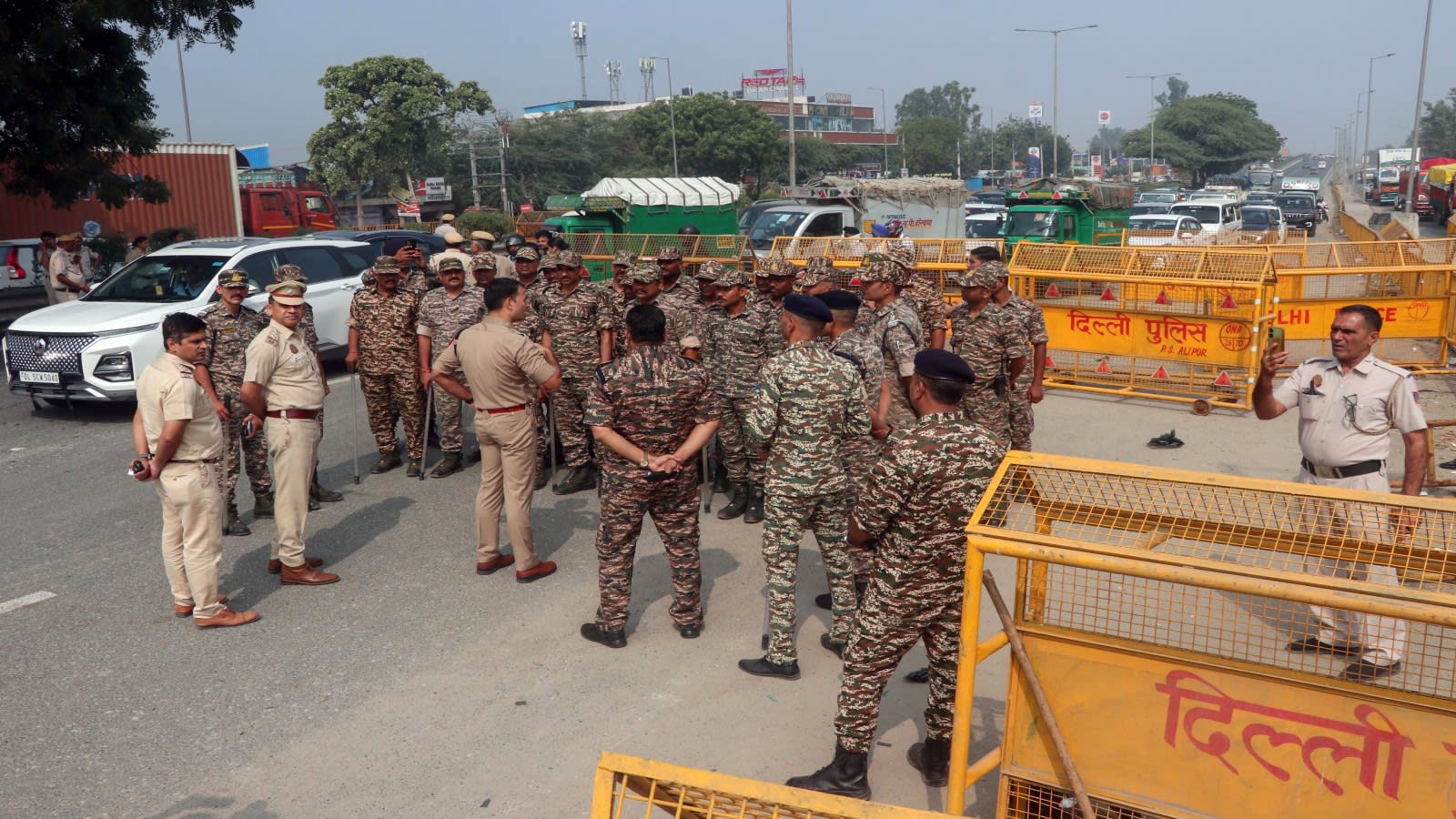
Rahul Gandhi has accused PM Modi of undermining Indian democracy and silencing dissent during a youth outreach event in Chennai. This comes amid widespread security crackdowns and metro station closures in Delhi following protests at Jantar Mantar.
Political Tensions Escalate: Rahul Gandhi’s Critique and Delhi Security Measures
Recent political discourse in India has reached a flashpoint, characterized by sharp rhetoric from the Leader of the Opposition, Rahul Gandhi, and significant security interventions in the national capital. Speaking at the 'Chhatron Ki Goonj' youth outreach initiative in Chennai, Gandhi leveled heavy accusations against Prime Minister Narendra Modi, characterizing his governance as detrimental to democratic principles. By employing labels such as "Mogambo Modi" and accusing the administration of "vote chori," Gandhi is attempting to mobilize youth sentiment against the current BJP-led government.
The Intersection of Youth Outreach and Protest
The Chennai event represents a continuation of Gandhi's strategy to connect directly with students across various Indian cities, including Kota, Dehradun, and Indore. This outreach serves as a platform to amplify grievances regarding government transparency and civil liberties. Gandhi’s assertion that the "game is over" for the current administration suggests a strategic shift in the Congress party’s narrative, aiming to frame the upcoming political cycles as a reckoning for the government's perceived failures over the last 15 years.
Security Crackdown in New Delhi
Simultaneously, the situation in New Delhi has become increasingly restrictive. Following protests at Jantar Mantar, authorities implemented extensive security measures, including the closure of 45 Delhi Metro stations and the deployment of personnel equipped with tear gas munitions. The blocking of key arterial roads like Janpath and Ashoka Road highlights the state’s rigorous approach to managing civil unrest, particularly regarding protests directed at the Election Commission (CEC).
Implications of Police-Protester Confrontations
Rahul Gandhi’s commentary specifically addresses the physical confrontations between police and protesters, citing incidents in Delhi where students were allegedly subjected to force. These reports of detentions at the Ashoka Road entrance underscore the friction between the state's mandate to maintain public order and the democratic right to assembly. The use of widespread barricades and the detention of early-bird protesters from the NCR region indicate a high-stakes environment where the government is prioritizing stability over demonstrations.
Broader Implications for Indian Democracy
This convergence of aggressive political opposition and stringent state security responses points to a deeply polarized political climate. The critique of "silencing voices" is a recurring theme in the opposition's playbook, which seeks to paint the government as authoritarian. Conversely, the government’s reliance on extensive security infrastructure suggests a strategy of containment to prevent large-scale disruptions in the capital.
Future Trends and Outlook
As these events unfold, the political landscape remains volatile. The effectiveness of Gandhi’s youth-focused outreach will be tested by the government’s ability to manage public perception and maintain order through security protocols. Future trends likely involve increased digital and physical scrutiny of protest movements, as both the opposition and the ruling party attempt to define the narrative of India’s democratic health in the public imagination.
Multiple Citing Sources