"They Grabbed, Punched Him": Delhi Woman Recounts Son's 'Murder' In Metro
Source Entity
NDTV News Search Records Found 1000
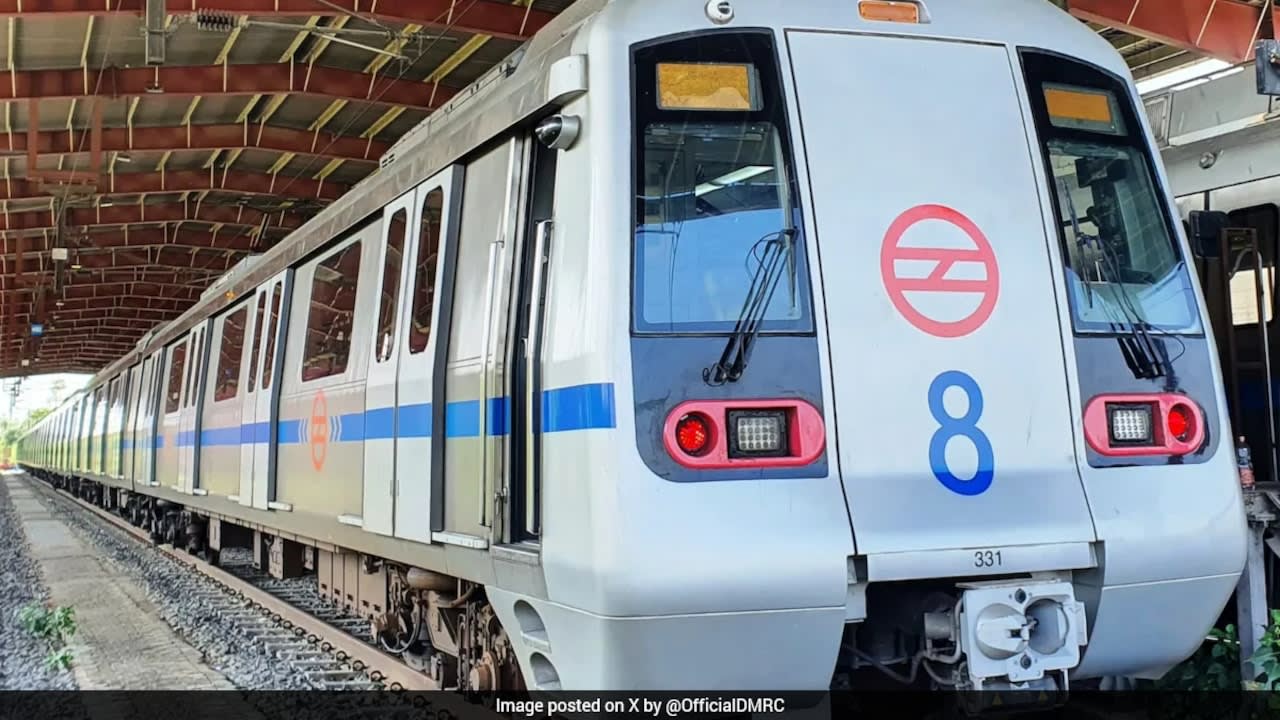
A Delhi woman has alleged that her son was murdered following a physical altercation in a metro station. Both the father and son involved in the incident have been remanded to fourteen-day judicial custody as investigations continue.
Tragic Incident at Delhi Metro Sparks Investigation
A deeply distressing incident has emerged from the Delhi Metro network, where a mother has publicly recounted the harrowing final moments of her son's life. According to her testimony, the victim was subjected to a violent physical assault, involving grabbing and punching, which ultimately led to his death. This account has cast a spotlight on the safety and security protocols within one of the capital's most vital transit systems.
Legal Proceedings and Custody
Following the incident, the judicial process has been set into motion with swift action from local authorities. Both the father and the son implicated in the altercation have been placed under fourteen-day judicial custody. This remand is a standard legal procedure that allows law enforcement agencies to conduct a thorough investigation, gather forensic evidence, and record witness statements without interference while the suspects remain under state control.
Analyzing the Security Implications
The occurrence of such a violent confrontation within a metro environment raises significant questions regarding public safety management. Metro stations are high-traffic hubs that rely on a combination of CCTV surveillance, security personnel, and rapid response teams. The fact that an altercation escalated to a fatal level suggests a critical failure in the immediate security perimeter, prompting a broader discussion on how transit authorities can better monitor and de-escalate conflicts before they turn lethal.
Historical Context of Transit Safety
Historically, the Delhi Metro has been lauded for its efficiency and relative safety. However, incidents of physical violence—though rare—serve as stark reminders of the volatile nature of crowded public spaces. Past instances of conflict in transit hubs often stem from personal disputes or sudden escalations in tension, which are difficult to predict. This current event necessitates a review of how security personnel are deployed and trained to handle non-terror related threats, such as interpersonal physical violence.
The Path Forward and Judicial Oversight
As the fourteen-day judicial custody period progresses, the focus will shift toward the legal determination of the suspects' culpability. The courts will examine the evidence provided by the police, including potential video footage from the metro station and medical reports detailing the cause of death. This case will likely serve as a benchmark for how the judicial system handles acts of violence within state-owned public infrastructure, emphasizing the need for both accountability and a safe environment for commuters.
Concluding Thoughts
Ultimately, this tragedy is a profound loss that underscores the vulnerability of individuals in high-density urban settings. While the investigation remains ongoing, the public expectation for transparency and justice remains high. The outcome of this case will not only impact the families involved but may also influence future safety policies and the deployment of security resources across the Delhi Metro network to prevent such occurrences in the future.
Verification Required?