'Ukraine should get new prez': Trump targets Zelenskyy after diesel deal with Russia
Source Entity
SUBHADRA SRIVASTAVA
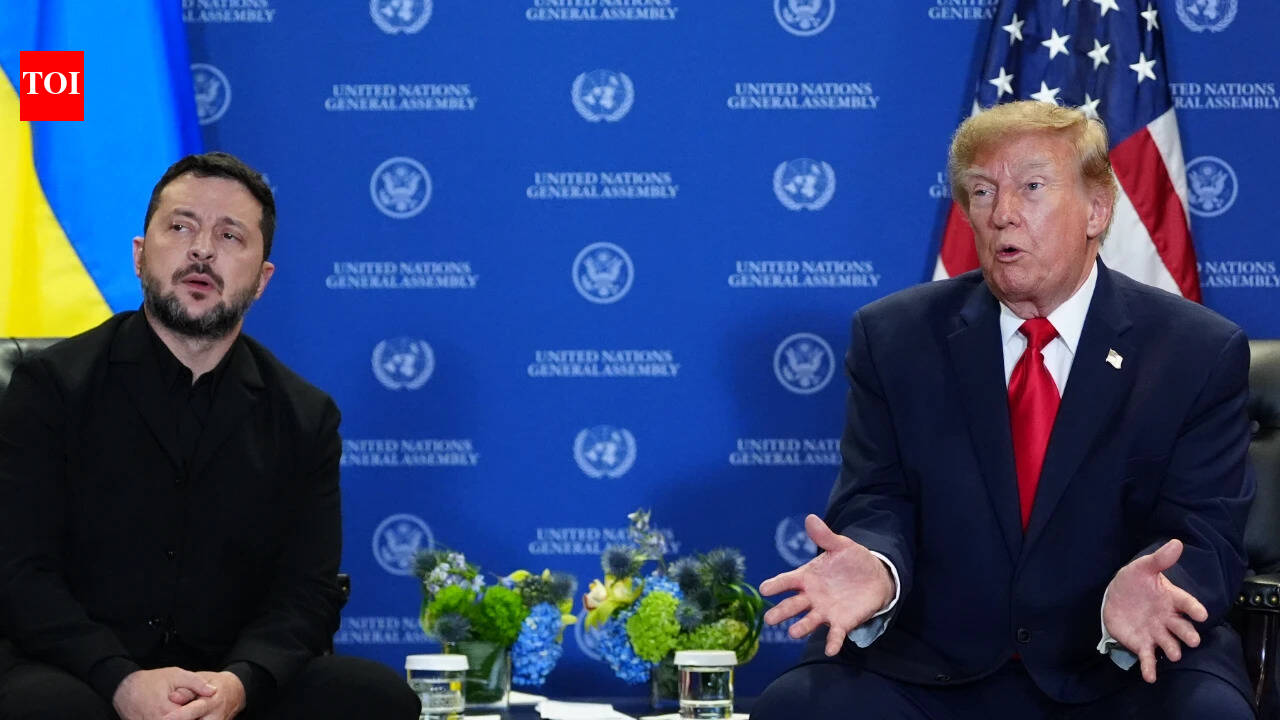
Donald Trump has publicly criticized President Zelenskyy, suggesting Ukraine needs new leadership following a controversial diesel deal with Russia. The agreement, which allows Russian diesel into the U.S., has drawn sharp condemnation from Kyiv over funding concerns.
The Diplomatic Rift: Trump, Zelenskyy, and the Russian Diesel Deal
Recent statements from Donald Trump have signaled a deepening divide between his political platform and the current administration in Kyiv. By publicly stating that it is "time for Ukraine to get a new president," Trump has escalated his rhetoric against Volodymyr Zelenskyy, framing the Ukrainian leader as an obstacle to pragmatic geopolitical maneuvers. This development centers on a reported deal involving the release of Russian diesel into the United States, a move that has sparked significant international debate regarding sanctions efficacy and energy policy.
The Mechanics of the Diesel Agreement
The core of the current controversy lies in the easing of restrictions on Russian diesel imports to the U.S. market. While the administration frames such moves through the lens of domestic energy security and price stabilization, the geopolitical optics are complex. For the U.S., securing energy supplies is often prioritized as a matter of economic stability; however, this specific arrangement has become a flashpoint for criticism, as it inherently involves facilitating trade with a nation currently under heavy international sanctions due to the ongoing conflict in Ukraine.
Zelenskyy’s Stance and Economic Implications
President Zelenskyy’s condemnation of this deal is rooted in the strategic necessity of isolating the Russian economy. From Kyiv’s perspective, any trade agreement that allows for the flow of Russian commodities—particularly energy exports—serves as a financial lifeline for Moscow. Zelenskyy argues that these revenues directly bolster the Kremlin's ability to fund its military operations, thereby undermining the very sanctions framework that Western allies have spent years meticulously building to weaken Russia's war machine.
Political Fallout and Future Trends
Trump’s overt criticism of Zelenskyy suggests a potential pivot in U.S. foreign policy rhetoric should his influence continue to grow. By attacking the legitimacy of the Ukrainian president in the context of this diesel deal, Trump is effectively signaling a departure from the traditional bipartisan support for the Ukrainian leadership. This rhetoric indicates that future U.S.-Ukraine relations may be increasingly viewed through a transactional lens, where energy and economic deals take precedence over the maintenance of established diplomatic alliances.
Broader Geopolitical Context
The tension highlights the precarious balance between domestic economic interests and foreign policy objectives. As global energy markets remain volatile, the temptation to bypass or ease sanctions for the sake of supply chain relief is a recurring theme in modern statecraft. However, as this situation illustrates, such actions have profound consequences for international coalitions. The friction between the U.S. and Ukraine over this specific diesel arrangement serves as a bellwether for how future administrations may navigate the complexities of global energy dependencies versus the moral and strategic imperatives of the war in Ukraine.
Conclusion
Ultimately, the public clash between Donald Trump and Volodymyr Zelenskyy underscores the growing friction within the international response to the Russia-Ukraine war. As the discourse shifts toward the economic impacts of energy deals, the unity of the Western coalition faces new tests. Whether this rhetoric leads to a fundamental shift in U.S. policy or remains a feature of political posturing, it marks a significant evolution in the narrative surrounding the conflict and the future of transatlantic relations.
Multiple Citing Sources