UN human rights body expresses concern over Delhi detentions, urges immediate release
Source Entity
India Latest News: Top National Headlines Today & Breaking News | The Hindu
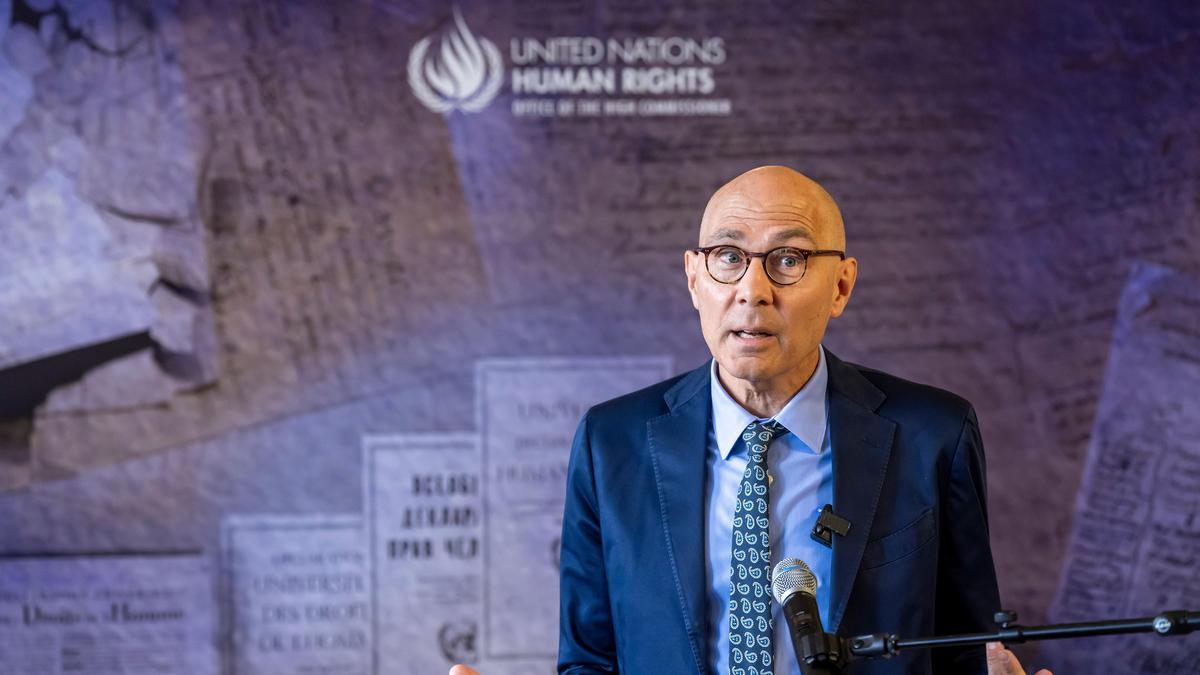
India has formally rejected criticism from the UN Human Rights Office regarding mass detentions during protests in New Delhi. The government maintains that its constitutional framework and independent institutions sufficiently protect the right to peaceful assembly.
Diplomatic Friction Over Delhi Protests
Recent developments in New Delhi have triggered a notable diplomatic standoff between the Indian government and the Office of the United Nations High Commissioner for Human Rights (OHCHR). The controversy centers on mass detentions during protests organized by the Cockroach Janta Party (CJP), which were staged to voice grievances against Chief Election Commissioner Gyanesh Kumar regarding alleged electoral roll irregularities.
The OHCHR Position and Concerns
The OHCHR issued a statement on October 10, 2026, expressing significant concern over the reported mass detentions of protesters. The UN body emphasized that any restrictions on public demonstrations must adhere to the international legal standards of “necessity and proportionality.” Furthermore, the organization urged Indian authorities to facilitate peaceful protest and called for the immediate and unconditional release of individuals deemed to be held “arbitrarily.”
India’s Rebuttal and Constitutional Defense
In a swift and sharp response, the Permanent Mission of India to the UN in Geneva utilized social media platform X to reject the OHCHR’s remarks. The Indian government characterized the UN’s intervention as “misplaced” and labeled it “unwarranted interference” in the nation's internal affairs. India’s stance is rooted in the assertion that the right to peaceful assembly is constitutionally guaranteed and protected by robust domestic mechanisms, including an independent judiciary and a free media.
The Intersection of Sovereignty and Human Rights
This incident highlights the ongoing tension between national sovereignty and international human rights oversight. By invoking constitutional guarantees, the Indian government seeks to reinforce its position as the world’s largest democracy, capable of self-regulation. Conversely, the UN’s involvement underscores the global interest in maintaining democratic norms and the protection of civil liberties, even within established democratic frameworks.
Broader Implications for Electoral Integrity
The underlying cause of the protests—alleged irregularities in electoral rolls managed by the Chief Election Commissioner—adds a layer of domestic political complexity. The CJP’s call for further protests at Jantar Mantar suggests that the dispute is far from resolved. As the situation evolves, the government faces the dual challenge of managing public order while navigating the international scrutiny that accompanies high-profile democratic protests.
Future Trends in Diplomatic Relations
Looking forward, this event may serve as a bellwether for how India engages with international human rights bodies regarding internal civil unrest. As the CJP continues to seek information regarding the whereabouts of their detained leadership, the optics of the situation remain sensitive. The balance between maintaining public order and upholding the right to dissent will remain a critical metric for both domestic political stability and India's international standing in the coming months.
Multiple Citing Sources
Verification Required?