'No Trains Cancelled During Protest': Delhi Metro To Supreme Court
Source Entity
NDTV News Search Records Found 1000
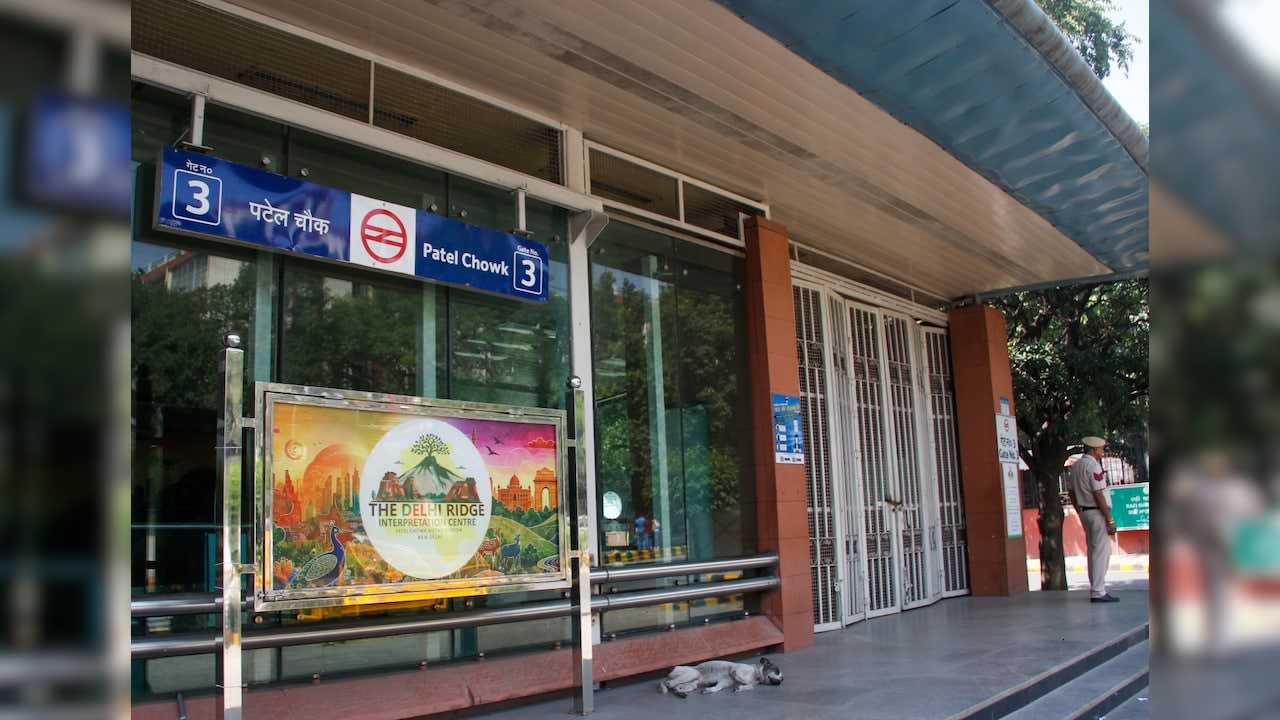
The Delhi Metro Rail Corporation has informed the Supreme Court that its services remained fully operational during the October 10 protests. Despite a dip in ridership to 32 lakh, the DMRC maintained a full schedule of 4,157 trips.
Delhi Metro Maintains Operational Continuity Amidst Capital Protests
In a recent filing with the Supreme Court of India, the Delhi Metro Rail Corporation (DMRC) has categorically denied allegations of service disruptions during the protests that took place on October 10, 2026. The DMRC, alongside its chairperson, submitted formal affidavits clarifying that the network remained fully functional throughout the day, despite the heightened security environment and public demonstrations occurring across the capital.
Operational Integrity and Service Metrics
According to the documentation accessed by NDTV, the DMRC adhered strictly to its standard Saturday operating schedule. The corporation confirmed that 271 trains were inducted into service, facilitating a full complement of 4,157 train trips across the entire network. This data is critical in establishing that the administrative machinery of the metro system was not compromised by the political climate or the security crackdowns occurring in various parts of Delhi.
Analyzing the Ridership Discrepancy
While the DMRC maintained that operations were consistent with typical service levels, the data reflected a notable decline in passenger volume. On October 10, the network recorded 32 lakh passengers, a figure significantly lower than the 58 lakh commuters typically observed on a standard second Saturday. The DMRC’s analysis suggests that this 26-lakh passenger deficit was not a result of administrative failure or deliberate cancellation of services, but rather a reflection of public sentiment.
The Impact of Public Caution
In its affidavit, the DMRC posited that the reduced footfall was a direct consequence of public caution. As protests intensified and security measures were heightened, ordinary citizens were compelled to forgo their routine day-to-day activities. This suggests that the drop in ridership was a societal reaction to the volatile atmosphere in the capital, rather than an inability of the DMRC to provide infrastructure or transportation support.
Broader Implications for Urban Infrastructure
This incident highlights the precarious balance between maintaining essential public services and navigating periods of civil unrest. By providing transparent operational data to the Supreme Court, the DMRC has attempted to isolate its institutional performance from the broader political discourse surrounding the protests. The ability of such a massive transit system to remain 'fully functional' under pressure is a testament to the robustness of Delhi’s public transport infrastructure.
Conclusion and Future Outlook
Ultimately, the DMRC’s defense underscores a commitment to operational continuity even when external factors dampen public participation. As the Supreme Court reviews these affidavits, the case serves as a vital record of how public agencies handle the intersection of mass transit and civil demonstrations. Future policy regarding urban mobility during periods of unrest will likely draw upon the precedents set by this transparent reporting of service metrics.
Verification Required?