100-Year-Old Delhi Mosque Gets Eviction Notice, Water, Power Cut In Nearby Homes
Source Entity
NDTV News Search Records Found 1000
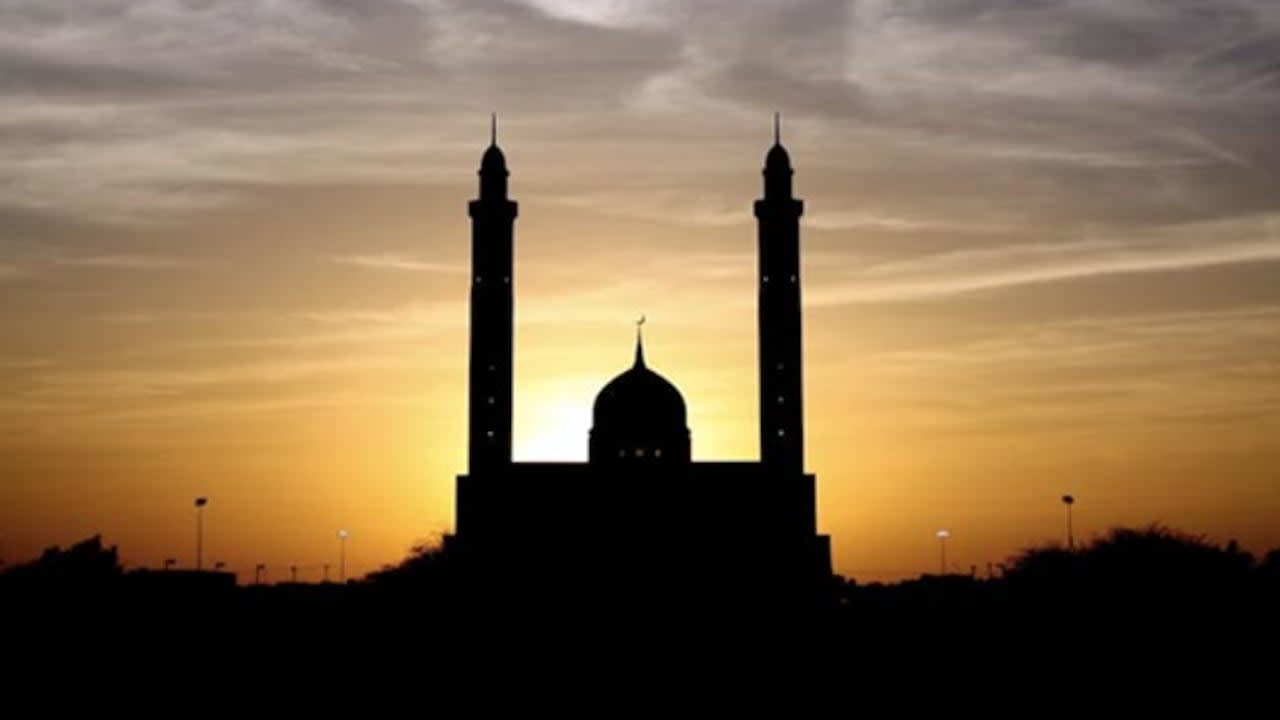
A 100-year-old mosque in Delhi has received an eviction notice, with the NDMC disconnecting its water and electricity on October 7. The move has impacted nearby homes, raising concerns over utility access and property rights.
The Impending Displacement of a Century-Old Landmark
Recent reports indicate a significant development in Delhi regarding the status of a 100-year-old mosque, which has now been served an official eviction notice. On October 7, the New Delhi Municipal Council (NDMC) took the drastic step of disconnecting the water and electricity supply to the premises. This action has sent shockwaves through the local community, as the utility cutoff extends beyond the mosque itself, affecting the essential services of nearby residential dwellings.
Administrative Actions and Community Impact
The decision by the NDMC to sever utility connections is a critical turning point in what appears to be a broader effort to clear the site. By cutting off water and power, the authorities have effectively rendered the immediate area untenable for both religious observance and daily living. For a structure that has stood for a century, this sudden administrative intervention signals a shift toward enforcement that prioritizes land reclamation over historical preservation or the immediate welfare of the inhabitants.
Historical Significance vs. Urban Development
Delhi is a city defined by its layers of history, where colonial-era structures and older religious sites often sit in the path of rapid urban modernization. A 100-year-old mosque represents a significant piece of the city's architectural and cultural heritage. The tension between preserving such historic landmarks and the municipal body's mandate to manage urban land usage is a recurring theme in Delhi’s development narrative, often leading to protracted legal and social conflicts.
The Broader Implications of Utility Disconnection
When municipal bodies disconnect utilities as a precursor to eviction, it raises significant questions regarding human rights and due process. The fact that surrounding homes were also impacted suggests that the infrastructure in this specific pocket of Delhi is deeply intertwined. This collective disconnection creates a humanitarian concern, as residents and the mosque’s caretakers find themselves without basic necessities, potentially forcing a displacement that precedes formal legal resolution.
Future Trends in Urban Land Disputes
Moving forward, this case is likely to serve as a bellwether for how the NDMC and other municipal authorities handle similar land disputes involving aged religious or community properties. As Delhi continues to expand and redevelop, the pressure on older, central land parcels will only intensify. If this eviction proceeds, it may set a precedent for using utility service disruption as a primary tool to compel the relocation of long-standing community institutions.
Conclusion
The situation involving the 100-year-old mosque highlights the volatile intersection of urban policy, heritage conservation, and civil rights. With the water and power lines severed, the residents and stakeholders are in a precarious position. The coming weeks will be decisive, as legal challenges or community protests may determine whether this piece of Delhi's history is demolished or if a compromise can be reached to protect both the site and the livelihoods of those living in its shadow.
Verification Required?