An ordinary drive turned into a nightmare for this Delhi-NCR family. Their dashcam became a crucial witness
Source Entity
Latest News: Todays Latest News Headlines from India & World | Hindustan Times | Hindustan Times
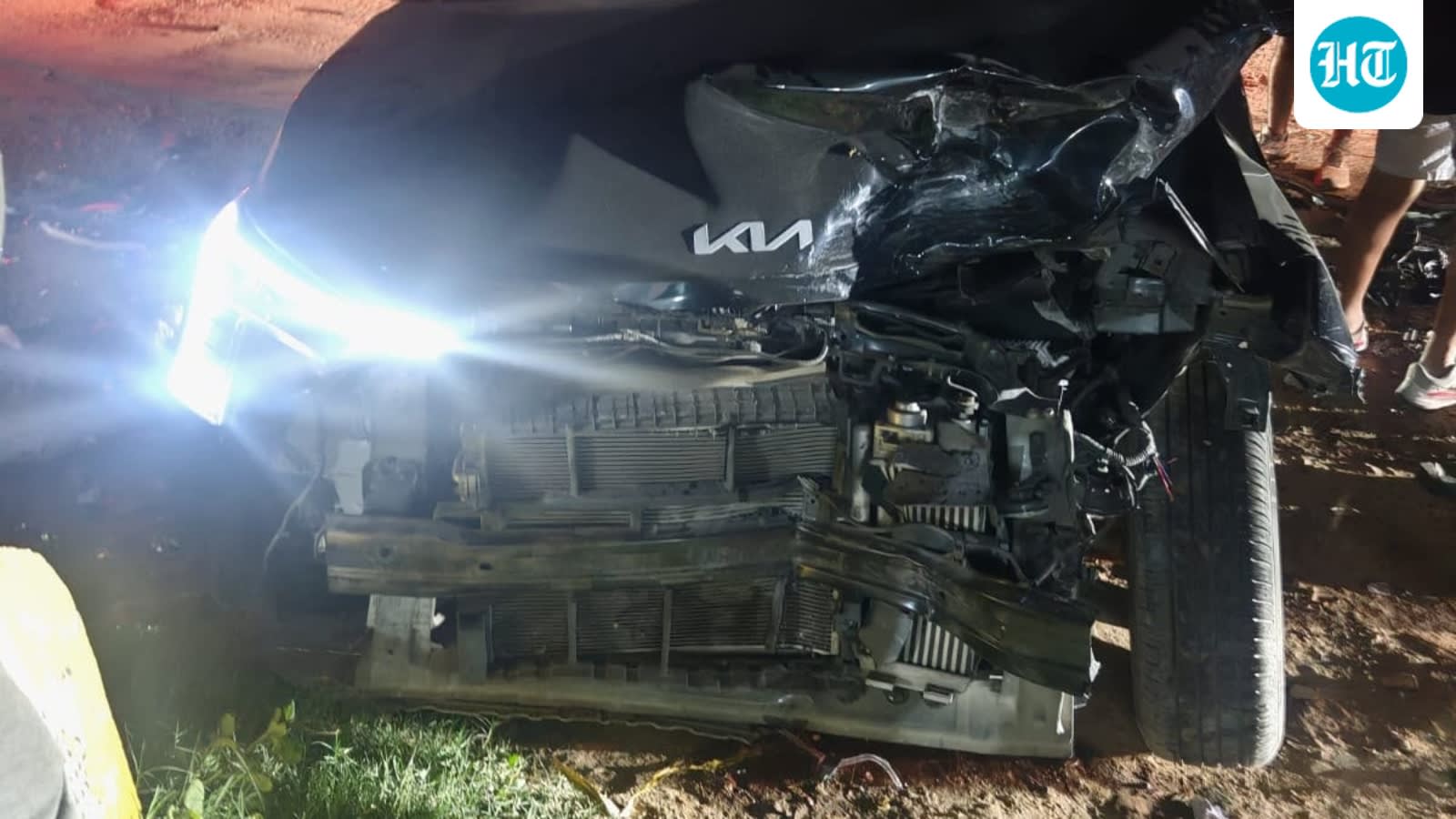
A family's routine drive in the Delhi-NCR region turned into a traumatic accident when a vehicle traveling in the wrong direction struck their car. The incident highlights the critical importance of dashcams as essential tools for documenting road accidents and ensuring accountability.
The Critical Role of Dashcams in Indian Traffic Safety
An ordinary evening drive for a family in the Delhi-NCR region recently transformed into a traumatic ordeal when their vehicle was struck by an SUV traveling in the wrong direction. This incident, involving a Kia Sonet, serves as a stark reminder of the unpredictable nature of Indian roadways and the persistent issue of traffic violations that compromise public safety. While the physical and psychological toll of such collisions remains irreversible, the incident underscores a shifting paradigm in how road accidents are documented and resolved.
The Shift from Luxury to Necessity
For years, dashcams were viewed primarily as niche automotive gadgets, often associated with high-end luxury vehicles or fleet management. However, as road aggression and traffic law violations become more frequent in dense urban environments like Delhi-NCR, the dashcam has evolved into a vital piece of evidence. In the absence of third-party witnesses or inconsistent police reporting, a high-definition dashcam provides an objective, chronological account of events, ensuring that the truth does not become a casualty of the accident itself.
Analyzing the Vulnerability of Indian Road Users
Indian roads are characterized by high traffic density and a spectrum of adherence to traffic regulations. When a driver ignores lane discipline or drives against the flow of traffic, they create a high-risk environment for law-abiding commuters. The incident involving the colleague and her family highlights the extreme vulnerability of everyday travelers who, despite following safety protocols, can be blindsided by reckless behavior. This reality has forced a broader conversation about the necessity of personal surveillance technology in the cabin.
Accountability and the Legal Process
One of the most significant hurdles in post-accident litigation is the ambiguity surrounding fault, especially when the offending party denies liability. Video evidence captured by a dashcam acts as a digital witness that cannot be intimidated or influenced by biased accounts. By providing clear footage of the SUV’s movement and the point of impact, such technology drastically shortens the time required for insurance investigations and legal proceedings, directly benefiting the victims who are seeking justice and compensation.
The Future of Road Safety Technology
As we look toward the future, the integration of dashcams into standard vehicle safety packages could become a regulatory or consumer-driven standard. While no camera can undo an injury or erase the memory of a collision, the adoption of this technology represents a proactive step toward safer roads. By documenting violations, dashcams not only assist in individual legal cases but also contribute to a culture of accountability where reckless drivers are more likely to face consequences for their actions.
Conclusion
The unfortunate event in Delhi-NCR serves as a poignant case study on the limitations of human observation during high-stress situations. As road safety continues to be a primary concern for commuters in India, the reliance on digital evidence will likely increase. Ultimately, while technology cannot replace the need for disciplined driving and strict law enforcement, it remains the most effective tool available to bridge the gap between a victim's testimony and the objective reality of a road accident.
Verification Required?