Delhi NEET protest: SC panel to hear evidence on pellet gun use, harassment claims on Oct 29, 30
Source Entity
India Latest News: Top National Headlines Today & Breaking News | The Hindu
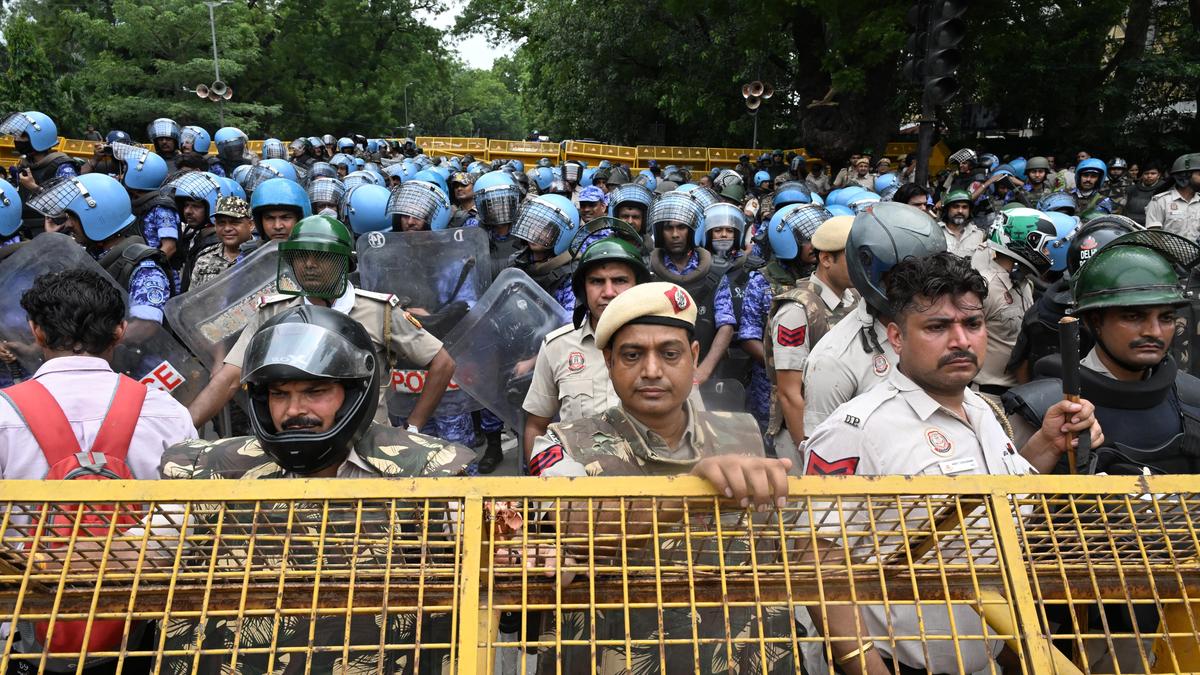
A Supreme Court-appointed committee will hold hearings on October 29 and 30 to investigate allegations of violence, including the use of pellet guns and harassment, during the July Jantar Mantar NEET protests. Public members are invited to submit evidence and complaints at the committee's Delhi office.
Investigation into Jantar Mantar Protests Begins
The Supreme Court-appointed High Powered Enquiry Committee (HPEC) has officially scheduled a two-day inquiry on October 29 and 30, 2026, to address serious allegations stemming from the July NEET protests at Jantar Mantar. This judicial intervention marks a critical step in ensuring accountability for the events that transpired during the demonstrations, which have been marred by claims of excessive force and misconduct by law enforcement.
Scope of the Judicial Inquiry
The committee’s mandate is focused on uncovering the truth behind specific, grave allegations, most notably the reported use of pellet guns against protesters and the harassment of female participants. By establishing a dedicated sitting at Shiksha Sadan in the Rouse Avenue Institutional Area, the judiciary is providing a structured platform for victims and witnesses to come forward in a secure and formal environment.
Mechanism for Public Participation
Recognizing the need for transparency, the HPEC has opened its doors to the public. Between 11:30 a.m. and 3:00 p.m. on the designated dates, any individual affected by the violence or in possession of relevant evidence is encouraged to present their testimony. The requirement for valid identity documentation is a procedural safeguard intended to ensure the integrity of the submissions while protecting the legal standing of the evidence gathered.
Broader Implications for Protest Management
The investigation into the NEET protests highlights a growing tension regarding the policing of student-led demonstrations in India. The specific focus on the use of pellet guns—a weapon often associated with high-risk crowd control—suggests that the committee will be evaluating whether the standard operating procedures for crowd dispersal were violated. This inquiry could set a significant precedent for how future protests regarding academic and policy grievances are handled by state and central authorities.
Historical Context and Future Trends
Jantar Mantar has long served as the epicenter of democratic expression in New Delhi. However, the escalation of violence during the July protests has prompted a shift toward more rigorous judicial oversight. By appointing an HPEC, the Supreme Court is signaling that it will not tolerate the suppression of peaceful assembly through disproportionate force. This move is likely to lead to stricter guidelines on the use of non-lethal weapons and greater accountability for security personnel in future protest scenarios.
Conclusion
The upcoming hearings represent a vital opportunity for justice for those impacted by the July events. As the HPEC prepares to record evidence, the focus remains on the intersection of public safety, the right to protest, and the necessity of state accountability. The findings of this committee will likely play a pivotal role in shaping the legal discourse around protest policing for years to come.
Verification Required?