After police protest, lawyer flags ACP’s ‘AK 47 threat’ to Delhi High Court
Source Entity
Sohini Ghosh
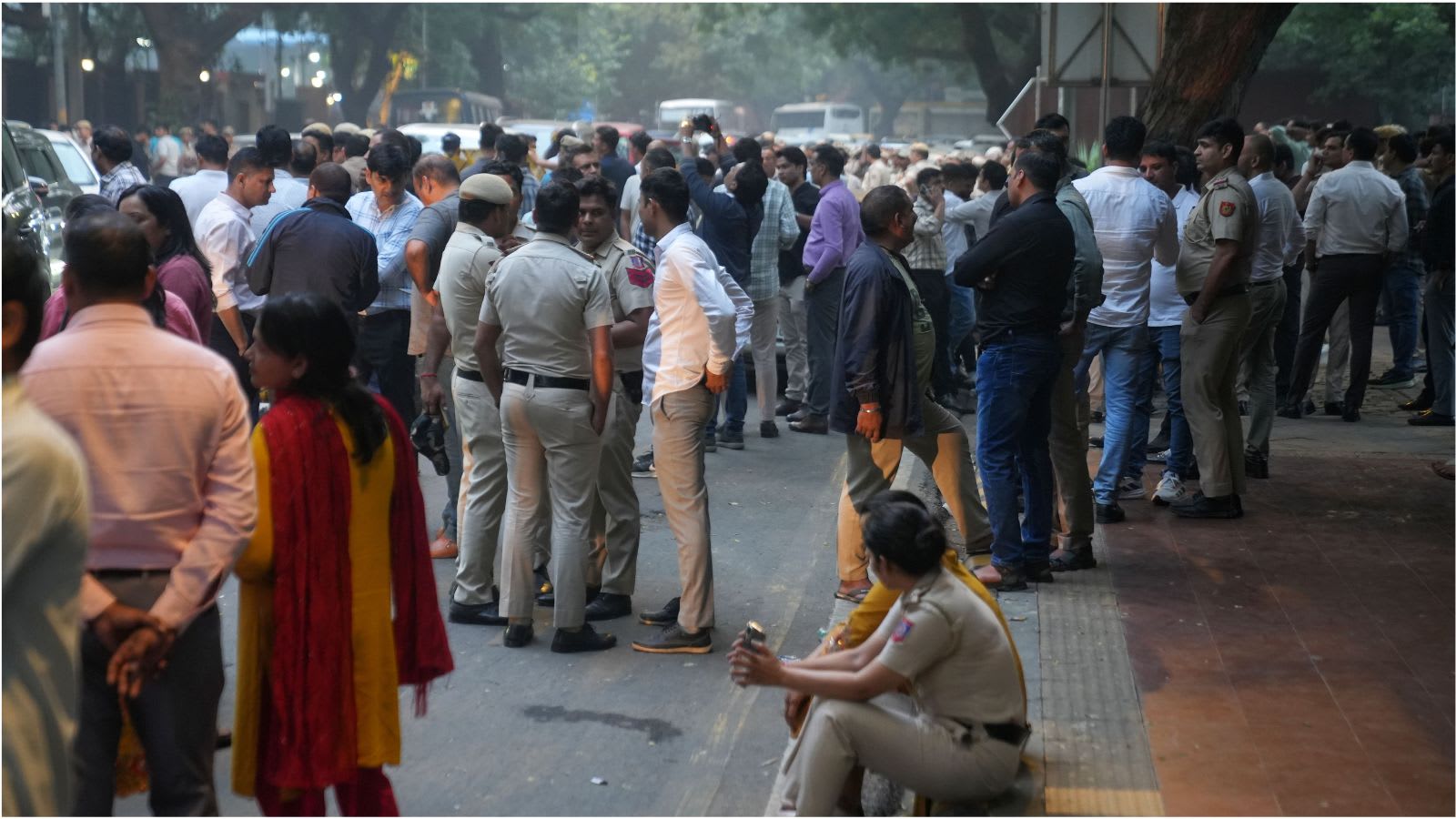
Delhi Police ACP Manasvi Vashistha has been suspended for disciplinary violations after leading a protest against his own transfer. The unrest stems from a escalating conflict between police and lawyers originating from a minor parking dispute.
The Escalation of a Local Dispute
The suspension of Assistant Commissioner of Police (ACP) Manasvi Vashistha marks a significant escalation in the ongoing friction between law enforcement and the legal fraternity in Delhi. What began as a seemingly trivial parking dispute on October 23, 2026, outside a salon in Rohtash Nagar, quickly spiraled into a systemic conflict. The initial altercation, sparked by a bike blocking a business entrance, evolved into a wider confrontation between police personnel and local advocates, eventually forcing the administration to intervene through the transfer of key officers, including ACP Vashistha and Shahdara SHO Arun Kumar.
Disciplinary Action and Public Protest
Following the transfers, the situation took an unprecedented turn when ACP Vashistha joined approximately 100 police personnel in a protest outside the Delhi Police headquarters on November 2, 2026. This act of public dissent against administrative decisions led to his subsequent suspension on November 3, 2026, on grounds of 'violation of discipline.' The participation of a high-ranking officer in a protest against his own department’s leadership is a rare display of internal friction, highlighting deep-seated tensions within the force regarding how such inter-professional conflicts are managed.
The Institutional Crisis
The protest at the headquarters served as a flashpoint for broader concerns among Delhi Police personnel. Officers gathered not only to challenge the transfer of their colleagues but also to voice systemic frustrations regarding the perceived erosion of their professional dignity. The demand for a more structured grievance-redressal mechanism suggests that the rank-and-file feel underserved by current internal communication channels, leading to these rare, public displays of unrest.
The Role of Administrative Oversight
The involvement of Police Commissioner Anurag Kumar in meeting with the protesting officers underscores the severity of the situation. While the Commissioner promised to address the genuine grievances raised by the personnel, the disciplinary action taken against ACP Vashistha signals a firm stance by the administration to maintain the chain of command. Balancing the need for internal discipline with the necessity of maintaining morale among officers remains a critical challenge for the Delhi Police leadership.
Future Implications and Conclusion
Looking forward, the Delhi Police faces the difficult task of de-escalating the standoff with the legal community while simultaneously addressing internal discipline. The incident has highlighted the vulnerability of law enforcement to local, hyper-localized disputes that can quickly become public relations crises. Moving forward, the force will likely focus on implementing more robust conflict resolution protocols to prevent future confrontations from escalating into public protests, ensuring that grievances are addressed internally rather than in the streets.