One held for retired teacher’s murder at Jangpura home
Source Entity
Sakshi Chand
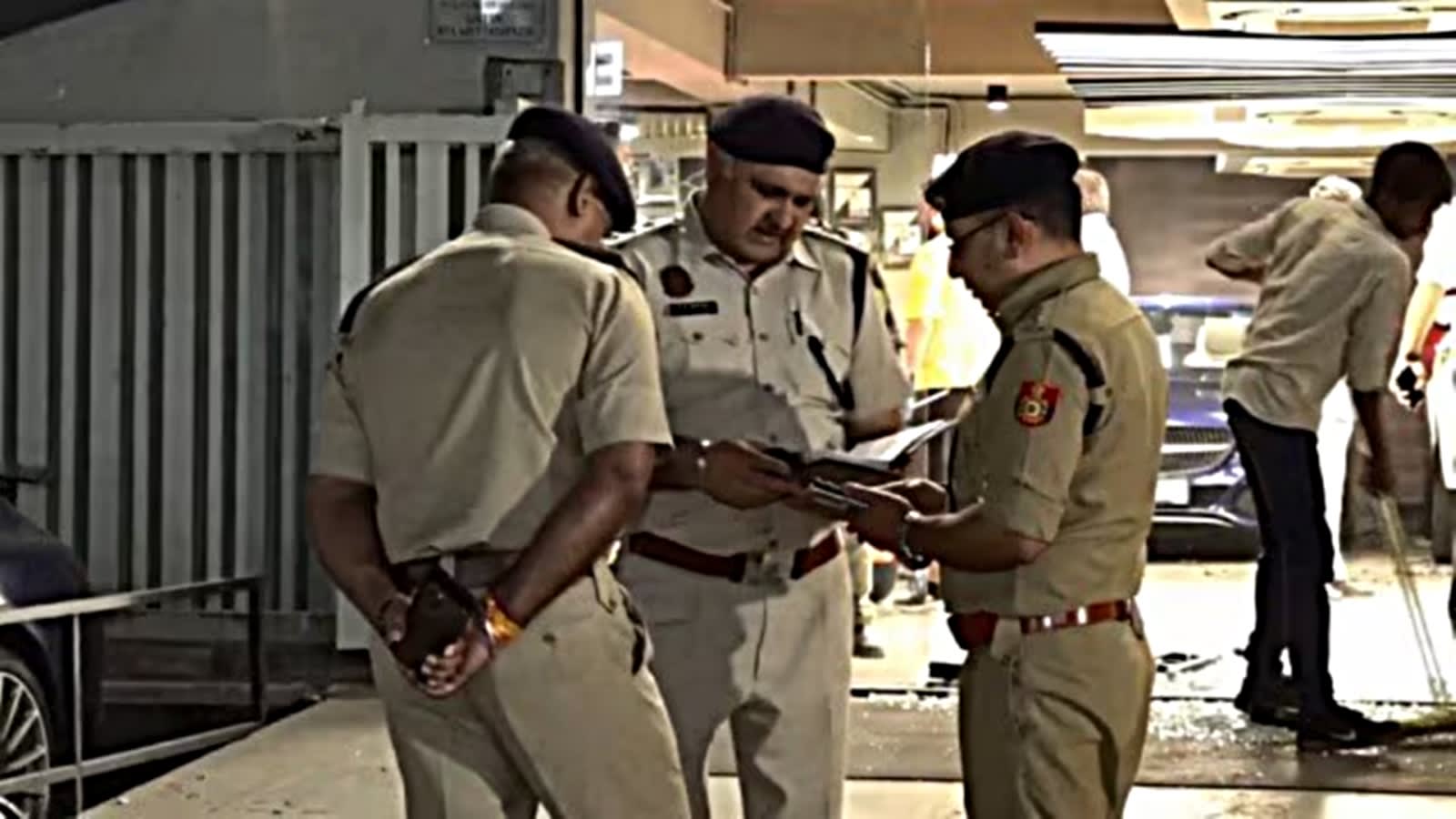
Delhi Police have arrested 24-year-old Ashrif in West Bengal for the robbery and murder of a 69-year-old retired teacher in Jangpura. The suspect, who was familiar with the victim's neighborhood, was tracked down after four days of investigation and attempted to flee toward Nepal.
Swift Action in the Jangpura Murder-Robbery Case
The Delhi Police have achieved a significant breakthrough in the investigation surrounding the tragic murder of a 69-year-old retired schoolteacher in the Pant Nagar area of Jangpura. Following four days of intensive technical and manual surveillance, authorities apprehended the primary suspect, identified as 24-year-old Ashrif, in Cooch Behar, West Bengal. The arrest underscores the efficacy of modern investigative techniques in tracking suspects who attempt to traverse state lines to evade justice.
Understanding the Accused's Motive and Methodology
Investigators have revealed that the accused was not an outsider to the area; rather, he possessed an intimate knowledge of the local topography. Having previously resided in the Jangpura and Nizamuddin vicinity with his family, Ashrif was well-acquainted with the victim’s living situation. According to police, he specifically targeted the residence after identifying that the elderly woman lived alone, turning his familiarity with the neighborhood into a strategic advantage for criminal activity.
The Logistics of the Escape
Following the commission of the crime and the subsequent ransacking of the victim's home, the suspect initiated an elaborate escape plan. Reports indicate that Ashrif, who had recently moved to Wazirabad, fled the capital immediately after the incident. His trajectory toward West Bengal suggests a calculated attempt to reach the border, with officials noting that his ultimate intention was to flee to Nepal. This flight pattern highlights the challenges law enforcement faces when suspects attempt to utilize porous borders to escape domestic prosecution.
Investigative Diligence and Surveillance
The arrest was the culmination of four days of high-pressure police work. By synthesizing technical data—likely involving mobile tower tracking and digital footprints—with traditional ground-level intelligence, the Delhi Police successfully triangulated the suspect’s position in the remote district of Cooch Behar. This success demonstrates the persistence of the investigative team in ensuring that crimes against vulnerable, elderly individuals in residential areas do not go unpunished.
Broader Implications for Urban Safety
This incident has sparked renewed conversations regarding the security of elderly residents in metropolitan areas like Delhi. The fact that the perpetrator leveraged his past residency in the locality to identify a target highlights a critical security gap: the vulnerability of seniors living alone in urban clusters. As the investigation shifts to the judicial phase and the suspect is brought back to the capital, the focus will now turn to strengthening local community policing and neighborhood surveillance to prevent similar occurrences in the future.
Conclusion
The apprehension of Ashrif serves as a stark reminder of the consequences of violent crime and the reach of the Indian police force. While the immediate threat has been neutralized, the case remains a sobering example of the dangers faced by the elderly. The swift resolution of this case by the Delhi Police provides a measure of closure for the community, though it reinforces the necessity for heightened vigilance in residential neighborhoods across the city.