Delhi Police gear up for firecracker enforcement
Source Entity
Latest News: Todays Latest News Headlines from India & World | Hindustan Times
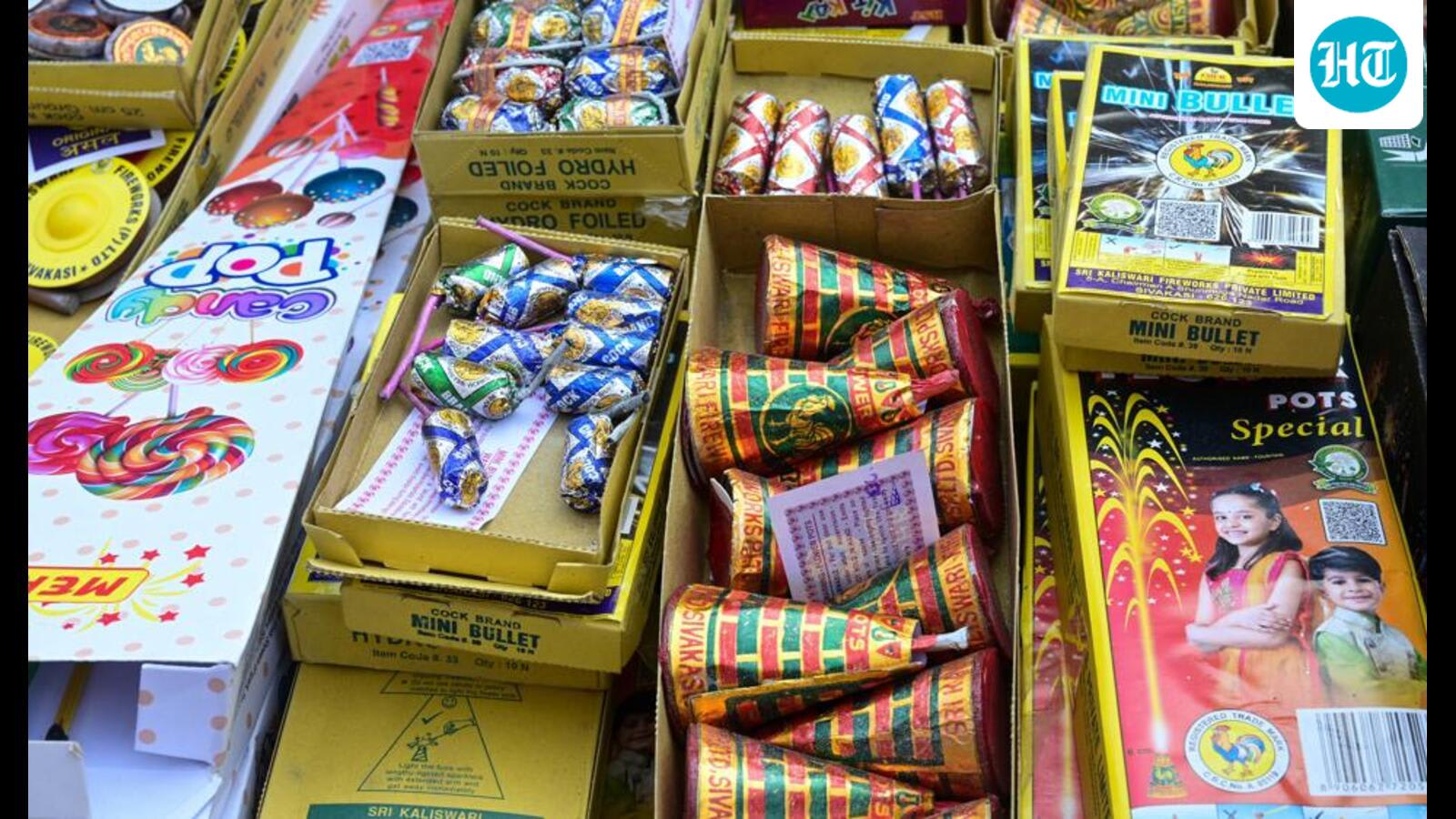
Delhi Police have deployed over 250 special teams to enforce Supreme Court mandates regarding green firecracker usage during Diwali. These measures include strict timing regulations and border checks to curb the entry of illegal fireworks.
Delhi's Festive Enforcement: Balancing Tradition and Regulation
As Diwali approaches, the Delhi Police have initiated a large-scale enforcement operation, deploying over 250 special teams to monitor compliance with Supreme Court directives regarding firecracker usage. With at least one team assigned to every police station, the authorities are tasked with ensuring that the public adheres to the strict window permitted for the use of certified green firecrackers. This move represents an intensification of efforts to mitigate the annual spike in air pollution that plagues the National Capital Region (NCR) during the autumn months.
The Supreme Court's Regulatory Framework
The current regulatory landscape is defined by a Supreme Court ruling that permits the use of certified green firecrackers only within specific time slots. For the upcoming festival, usage is restricted to between 6:00 AM and 7:00 AM, and 8:00 PM and 10:00 PM on November 7 and 8. Beyond these hours, a complete ban on firecracker activity is set to resume on November 9. Furthermore, the court has mandated the establishment of 'no cracker zones' within a 300-meter radius of health facilities, highlighting a prioritized approach to protecting vulnerable populations from the immediate health impacts of smoke and noise.
Border Control and Illegal Trade
A critical component of this enforcement strategy is the heightened surveillance at Delhi's borders. Police are conducting intensive checks to intercept the transit of conventional and illegal firecrackers that do not meet the 'green' certification standards. This is a direct response to the ongoing challenge of curbing the illicit supply chain that often bypasses local regulations. By focusing on the point of entry, authorities aim to reduce the availability of non-compliant products before they reach the consumer market.
A Decade of Transformation
The landscape of Diwali celebrations in Delhi-NCR has undergone a profound transformation over the last decade. Beyond the environmental regulations, the festive experience itself has shifted, with digital payments and UPI becoming the standard for festive shopping. This shift from traditional cash-based transactions to seamless digital payments mirrors the broader modernization of the city, even as the core concern of air quality remains a persistent, complex issue that requires both technological innovation and strict legal adherence.
Disparities in Air Quality Management
It is important to acknowledge that the implementation of these rules faces distinct challenges across various NCR cities. Delhi’s Air Quality Index (AQI) dynamics often differ from those of satellite cities like Noida, necessitating localized approaches to environmental management. While the record-keeping of AQI levels shows some improvement—moving from extreme figures like 431 to lower, albeit still concerning levels—the raw data often fails to capture the full socio-economic reality of how these environmental regulations impact the lives of residents.
Future Implications and Conclusion
Looking ahead, the integration of 'green' technology in firecrackers and the tightening of judicial oversight represent a shift toward a more regulated festive season. The success of these measures depends largely on the synergy between police enforcement and public compliance. As Delhi continues to grapple with the annual environmental toll of the festival, the combination of digital convenience and environmental mindfulness will likely remain the blueprint for future celebrations in the region.
Verification Required?