"One-Sided Picture": Delhi Police To Supreme Court On Jantar Mantar Crackdown
Source Entity
NDTV News Search Records Found 1000
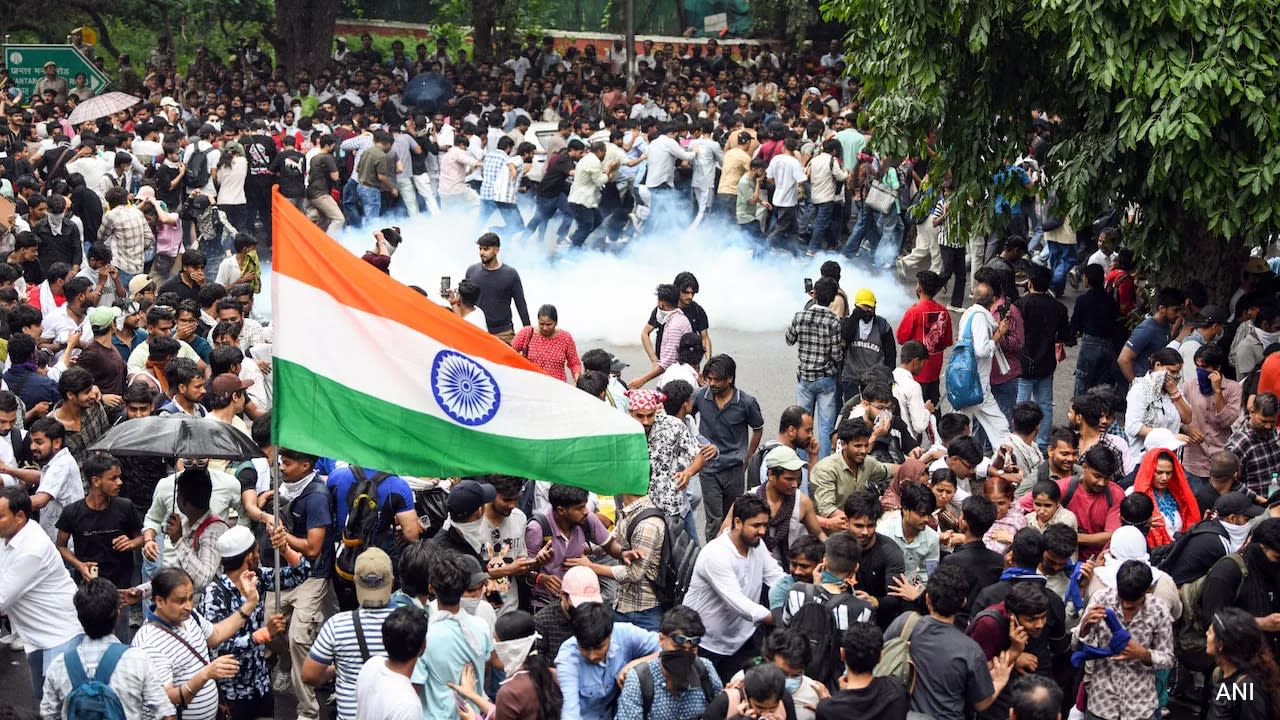
The Delhi Police has defended its use of tear gas during a Cockroach Janta Party protest at Jantar Mantar. The force submitted to the Supreme Court that previous reports on the incident provided a one-sided narrative.
Delhi Police Challenges Jantar Mantar Crackdown Narrative
The Incident at Jantar Mantar
On July 20, a protest organized by the Cockroach Janta Party at the historic Jantar Mantar site in Delhi escalated into a confrontation with local law enforcement. During the course of managing the crowd and maintaining public order, the Delhi Police utilized tear gas to disperse protesters. This action quickly became the center of a legal and public discourse, with critics alleging excessive force against demonstrators exercising their right to assemble.
Legal Scrutiny and Police Response
Following the incident, the matter reached the Supreme Court, prompting a formal response from the Delhi Police. In its submission, the police force explicitly challenged the prevailing public narrative, describing it as a "one-sided picture." The police contend that the portrayal of the events ignores the operational challenges and the security protocols necessitated by the behavior of the protesters at the scene.
The Complexity of Public Order
Maintaining order at Jantar Mantar—a designated protest site—requires a delicate balance between facilitating democratic expression and ensuring public safety. The police justification suggests that the deployment of tear gas was a tactical decision made under specific security parameters. By bringing this to the Supreme Court, the Delhi Police is seeking a judicial review that accounts for the full context of the day, rather than relying on isolated video footage or individual accounts.
Broader Implications for Protest Policing
The tension between law enforcement tactics and the right to protest is a recurring theme in Indian urban governance. This case highlights the challenges police face in managing fringe or localized political movements. As the Supreme Court reviews the details of the July 20 event, the outcome could set a significant precedent for how law enforcement justifies the use of non-lethal crowd control measures in sensitive protest zones.
Historical Context of Jantar Mantar
Jantar Mantar has long served as the epicenter of protest movements in the national capital. Given its proximity to the seat of power, any crackdown at this location carries heightened political weight. The current standoff between the authorities and the Cockroach Janta Party serves as a reminder of the volatility inherent in public demonstrations and the constant scrutiny police operations face in the digital age, where instant documentation often shapes public opinion before official reports are filed.
Future Outlook and Judicial Oversight
Moving forward, the judiciary’s assessment of this incident will likely influence how the Delhi Police updates its standard operating procedures. The insistence by the police that the current discourse is "one-sided" underscores a growing trend where law enforcement agencies are increasingly proactive in defending their operational decisions in open court, moving away from reactive silence to active narrative management in high-profile civil rights cases.
Verification Required?