US drag performers mock Charlie Kirk's assassination, spark backlash: ‘They turned a murder into a stage show’
Source Entity
Latest News: Todays Latest News Headlines from India & World | Hindustan Times | Hindustan Times
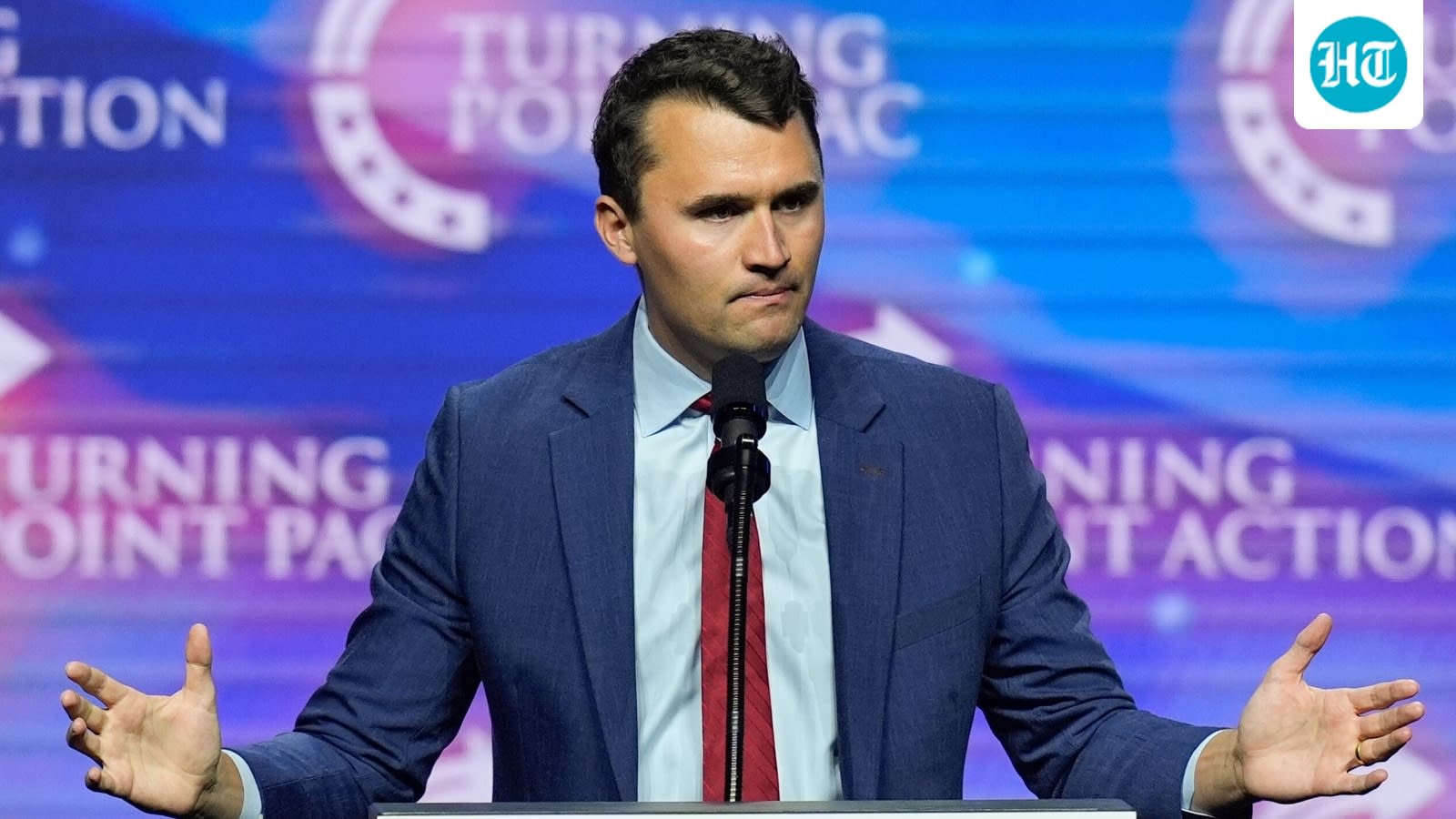
A viral video showing drag performers mocking the assassination of Charlie Kirk has sparked intense public backlash. Critics and social media users have condemned the performance as a disturbing trivialization of political violence.
The Intersection of Performance Art and Political Polarization
A recent video circulating on the social media platform X has ignited a firestorm of controversy, featuring drag performers who appear to mock the assassination of conservative commentator Charlie Kirk. The footage, which gained widespread attention after being shared by the account 'Libs of TikTok,' depicts a performer using theatrical elements, including red-stained hands, to mimic a violent event. This incident has reignited heated debates regarding the boundaries of political expression and the role of performance art in an increasingly divided American cultural landscape.
The Anatomy of the Backlash
The public reaction to the video has been swift and overwhelmingly negative, with many users characterizing the performance as a dangerous normalization of political violence. Critics argue that by turning an act of assassination into a 'stage show,' the performers have crossed a line from satire into malice. The commentary surrounding the video reflects a deep-seated frustration among those who believe that political discourse has become increasingly dehumanized, with individuals on both sides of the aisle frequently accused of celebrating the suffering of their ideological opponents.
Digital Amplification and Accountability
The dissemination of this video by high-profile social media accounts underscores the power of digital platforms to shape political narratives. By framing the event as evidence of a 'death cult,' the original posters successfully galvanized a community of critics who view such performances as symptomatic of broader societal decay. This dynamic highlights the modern challenge of content moderation and the speed at which niche performances can be transformed into nationalized cultural skirmishes, forcing observers to grapple with the ethics of online outrage culture.
The Broader Cultural Implications
This incident serves as a stark reminder of the escalating tensions between different cultural factions in the United States. When performance art is utilized as a vehicle for mocking political figures—especially regarding acts of violence—it often serves to entrench existing divides rather than bridge them. The 'liberal mask' critique leveled by online observers suggests that many perceive these actions as hypocritical, arguing that the rhetoric of compassion often cited by such groups is discarded when the target belongs to the opposing political camp.
Analyzing the Future of Political Discourse
As we look forward, the trend of utilizing provocative, high-impact imagery to signal political affiliation is unlikely to dissipate. However, the backlash observed here suggests a growing public exhaustion with the performance of cruelty. Future trends will likely involve increased scrutiny of public events by both private citizens and political organizations, leading to a climate where performance venues and artists face heightened pressure to navigate the fine line between free speech and the promotion of violence.
Conclusion: The Cost of Trivialization
Ultimately, the incident involving the mockery of Charlie Kirk’s assassination highlights the volatile nature of contemporary American politics. Regardless of one's political stance, the transformation of violence into entertainment risks eroding the norms that keep civil society functional. As the discourse continues to migrate toward digital platforms, the ability to discern between legitimate protest and harmful theatrics will remain a critical challenge for a polarized public.
Verification Required?