Who is Satyaki Savarkar? Family tree, political links & Rahul Gandhi case explained
Source Entity
KANWARDEEP SINGH
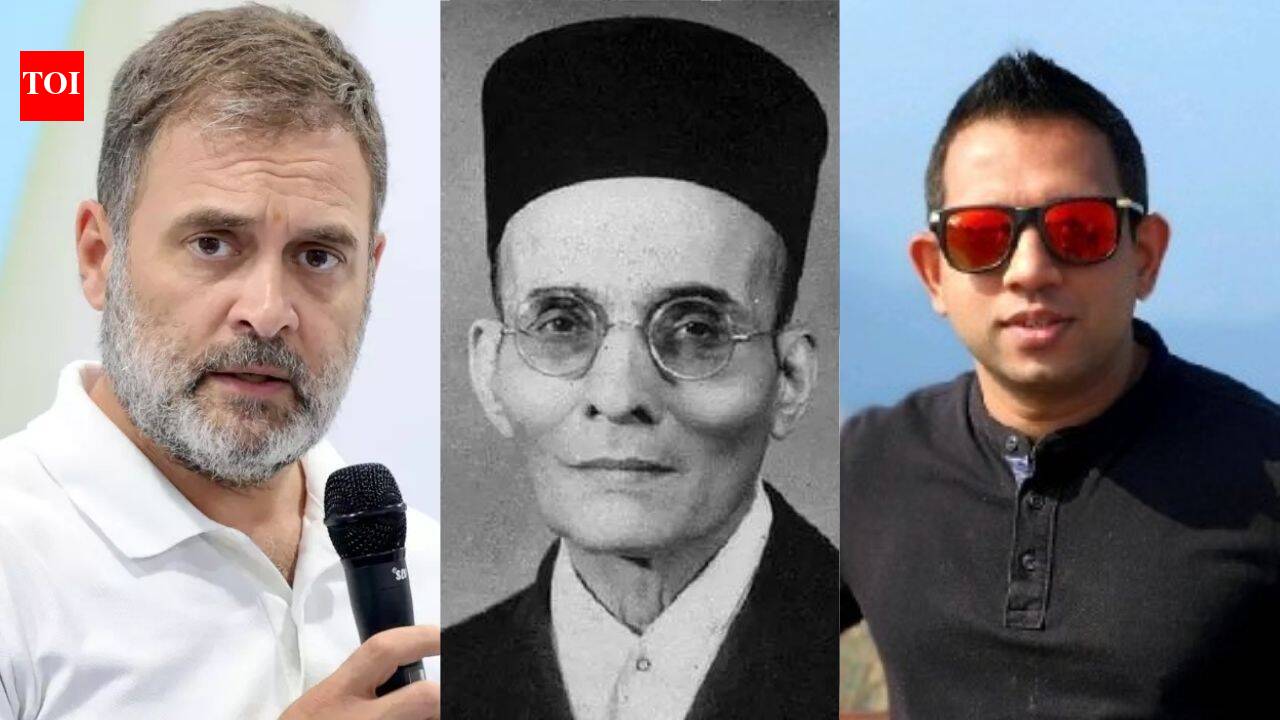
Satyaki Savarkar, the grandnephew of V.D. Savarkar, has filed a defamation case against Rahul Gandhi over remarks made in London. The ongoing legal proceedings involve forensic scrutiny of evidence and debates regarding the historical legacy of the Savarkar and Godse families.
The Legal Confrontation: Satyaki Savarkar vs. Rahul Gandhi
The ongoing criminal defamation case initiated by Satyaki Ashok Savarkar against Congress leader Rahul Gandhi represents a significant intersection of historical legacy and contemporary political discourse in India. At the heart of the matter is the complainant, Satyaki Savarkar, who is the grandnephew of the prominent Hindutva ideologue Vinayak Damodar Savarkar. The legal challenge stems from alleged remarks made by Rahul Gandhi during a visit to London, which the complainant asserts were defamatory toward his ancestor.
Historical Legacies and Family Ties
During the course of the legal proceedings, the cross-examination of Satyaki Savarkar has brought to light complex genealogical and historical connections. Specifically, the inquiry has delved into the complainant's ties to both the Savarkar family and the family of Nathuram and Gopal Godse. These revelations have added a layer of historical scrutiny to the case, as the court navigates the implications of these familial links in the context of public defamation allegations and the broader ideological debates surrounding the Indian independence movement.
The Forensic Dimension of Evidence
A critical component of the current legal battle involves the scrutiny of electronic evidence. The court is actively considering a plea filed by the complainant seeking a voice sample from Rahul Gandhi. This request is aimed at conducting a forensic comparison to verify the authenticity of the audio evidence that purportedly contains the defamatory remarks. The reliance on forensic technology underscores the increasing role of digital verification in high-profile political litigation, where the veracity of recorded speech is often contested.
Procedural Status and Defense Strategy
The proceedings are currently in a state of anticipation as the court awaits a formal response from the defense regarding the plea for a voice sample. The defense's position on this request will likely be a pivotal factor in the progression of the trial. As the court balances the right to reputation against the principles of free speech and political expression, the legal arguments presented by both sides are being watched closely for their potential to set precedents regarding how historical figures are discussed in the modern political arena.
Broader Implications for Political Discourse
This case highlights the enduring sensitivity surrounding historical narratives in Indian politics. The defamation case is not merely a legal dispute between two individuals; it reflects the deep ideological divisions regarding the roles and reputations of figures such as V.D. Savarkar and Nathuram Godse. As the judicial process continues, it serves as a reminder of how past events continue to shape the legal and political landscape of the present day, with the courtroom becoming a venue for the contestation of historical memory and national identity.
Conclusion
In summary, the case of Satyaki Savarkar versus Rahul Gandhi remains a focal point for both legal analysts and political observers. With the court deliberating on forensic evidence and the defense preparing its response, the outcome of this litigation will likely impact future standards for political speech and the legal protection of ancestral reputations. The court's handling of the voice sample request will be the next decisive step in determining the trajectory of this high-stakes defamation trial.