Parliament’s Monsoon Session hits lowest productivity since 2016, but passes 11 Bills: Infographics
Source Entity
India Latest News: Top National Headlines Today & Breaking News | The Hindu
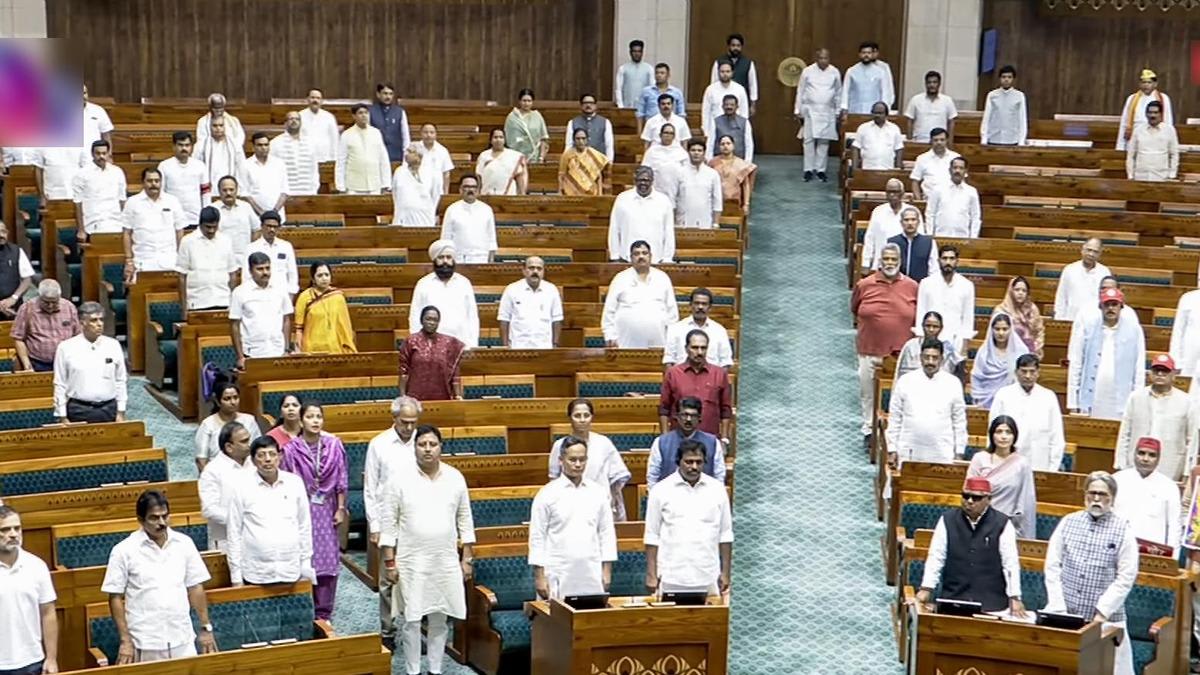
The 2026 Monsoon Session concluded with record-low productivity in both Parliamentary Houses due to persistent opposition protests. Despite these disruptions, 11 bills were passed, mostly without any floor debate.
Analysis of the 2026 Monsoon Session: A Crisis of Parliamentary Function
The Monsoon Session of the Indian Parliament, which concluded on August 13, 2026, has highlighted a deepening crisis in legislative conduct. According to data from PRS Legislative Research, the session saw productivity plummet to historic lows, with the Lok Sabha recording a mere 15% productivity rate—a level not seen since the 2016 Winter Session. The Rajya Sabha fared only slightly better at 33%, marking its lowest output since the 2023 Budget Session.
The Anatomy of Disruptions
Legislative business was severely hampered by a series of high-profile confrontations between the government and the Opposition. Protests were anchored in critical national concerns, including the NEET paper leak scandal, allegations regarding the mismanagement of donations to the Ram Temple, and the conspicuous absence of Union Home Minister Amit Shah from the chambers. These disruptions created a volatile environment where the standard procedural flow of parliamentary debate was effectively paralyzed.
The Paradox of Legislative Output
Despite the paralyzed state of the houses, the session resulted in the passage of 11 Bills. This creates a significant democratic paradox: while the legislative process was marked by extreme obstructionism, the executive branch successfully pushed through a substantial volume of lawmaking. The methodology of this passage raises serious constitutional questions, as nine of the 11 bills were passed without a single Member of Parliament (MP) participating in a formal discussion, effectively bypassing the deliberative function of the legislature.
The Erosion of Deliberative Democracy
Deliberation is the bedrock of a healthy parliamentary democracy. When laws are passed without debate, the vital process of scrutiny, amendment, and public accountability is lost. The reliance on 'guillotine' motions or voice votes without debate undermines the representative role of MPs, who are tasked with voicing the concerns of their constituents. This trend suggests a move toward a 'rubber-stamp' legislative culture, where the speed of bill passage is prioritized over the quality and necessity of parliamentary scrutiny.
Future Implications for Governance
Looking ahead, the 2026 Monsoon Session serves as a grim indicator of the widening chasm between the ruling coalition and the Opposition. If the trend of non-deliberative lawmaking continues, it risks delegitimizing the legislative process in the eyes of the public. To restore the sanctity of the institution, there must be a renewed commitment to parliamentary norms where dissent is accommodated through debate rather than stifled by disruptions or ignored by the absence of discussion. Without systemic reform to ensure mandatory debate times, the legislative efficacy of the Indian Parliament may continue to face public scrutiny.
Verification Required?