Deaths caused by snakebites a ‘notifiable disease’ says Maharashtra Health Minister Prakash Abitkar
Source Entity
India Latest News: Top National Headlines Today & Breaking News | The Hindu
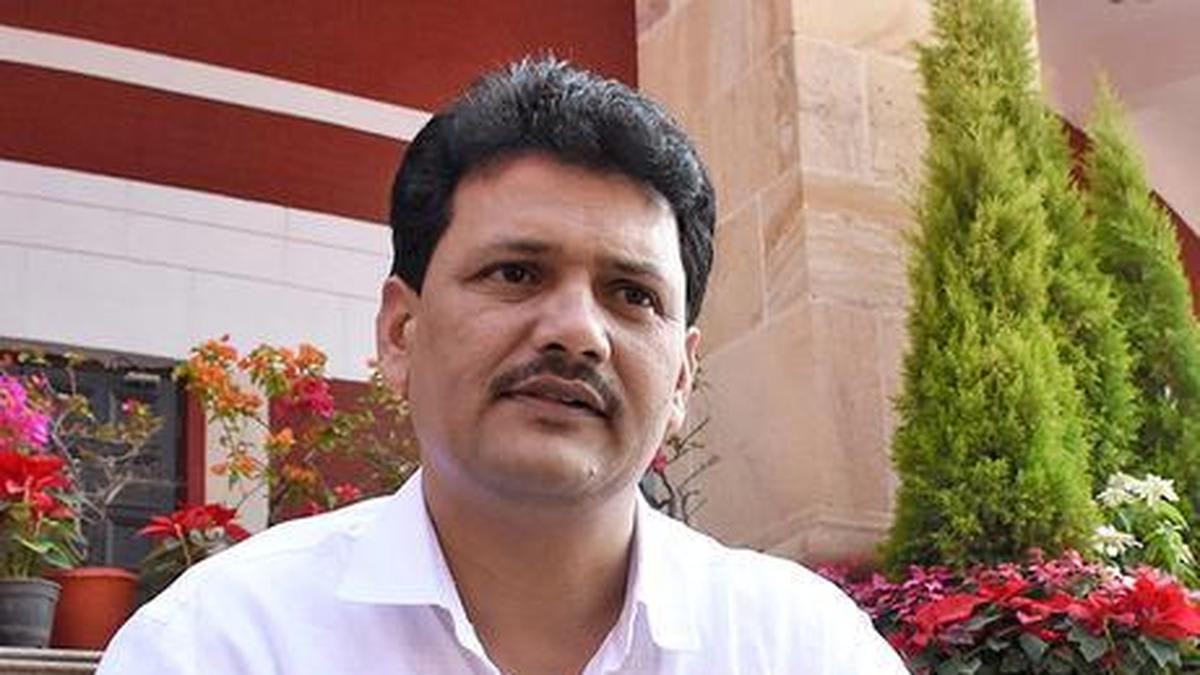
The Maharashtra government has declared snakebite deaths a notifiable disease following a tragic incident in Gadchiroli. This mandate requires all medical facilities to report snakebite cases to ensure better data tracking and vaccine availability.
Maharashtra Mandates Reporting for Snakebite Cases
The Maharashtra Public Health Department has officially declared snakebite deaths a 'notifiable disease,' a significant policy shift aimed at curbing mortality rates across the state. This regulatory change follows a heart-wrenching incident in Japtalai village, Gadchiroli, where six tribal residential ashram school students were bitten by snakes, resulting in the tragic deaths of three young girls. By formalizing this status, the government seeks to move beyond reactive measures and implement a systemic framework for tracking, treating, and preventing these encounters.
Understanding the 'Notifiable Disease' Designation
Under this new directive, all government and private hospitals, medical colleges, and individual medical practitioners are legally obligated to report every suspected, probable, or confirmed case of a snakebite. Previously, the lack of centralized data often hindered the state’s ability to allocate resources effectively. By requiring mandatory reporting to District Health Officers, the Public Health Department can now build a comprehensive epidemiological map of snakebite hotspots, allowing for targeted intervention in high-risk zones.
Strategic Objectives for Public Health
State Public Health and Family Welfare Minister Prakash Abitkar emphasized that this decision is fundamental to effective monitoring and the strategic distribution of Anti-Snake Venom (ASV) vaccines. The primary bottleneck in treating snakebites in rural areas is often the geographical distance from specialized care and the unavailability of life-saving antivenom. With accurate, real-time data, the state can now plan the logistics of vaccine supply chains, ensuring that rural health centers are adequately stocked before crises occur.
Addressing Vulnerable Populations
The incident at the tribal residential school in Dhanora taluka highlights the heightened risk faced by vulnerable communities residing in forested or remote regions. These areas often lack the infrastructure required for immediate medical evacuation, making the proximity of ASV critical. The government’s move to mandate reporting is not just a statistical exercise; it is an acknowledgment that tribal and rural populations are disproportionately affected by human-wildlife conflict and environmental hazards.
Future Trends and Preventative Frameworks
Looking forward, the mandatory reporting system is expected to facilitate a more proactive public health response. By identifying 'hot zones' through the data collected, the government can initiate awareness campaigns, improve local medical training for snakebite management, and potentially invest in safer infrastructure for schools located in snake-prone habitats. This policy shift represents a transition toward evidence-based healthcare, where data transparency directly translates to improved survival rates and better emergency preparedness for the citizens of Maharashtra.
Verification Required?