China robot makers seek to turn humanoid hype into useful work
Source Entity
The Indian Express
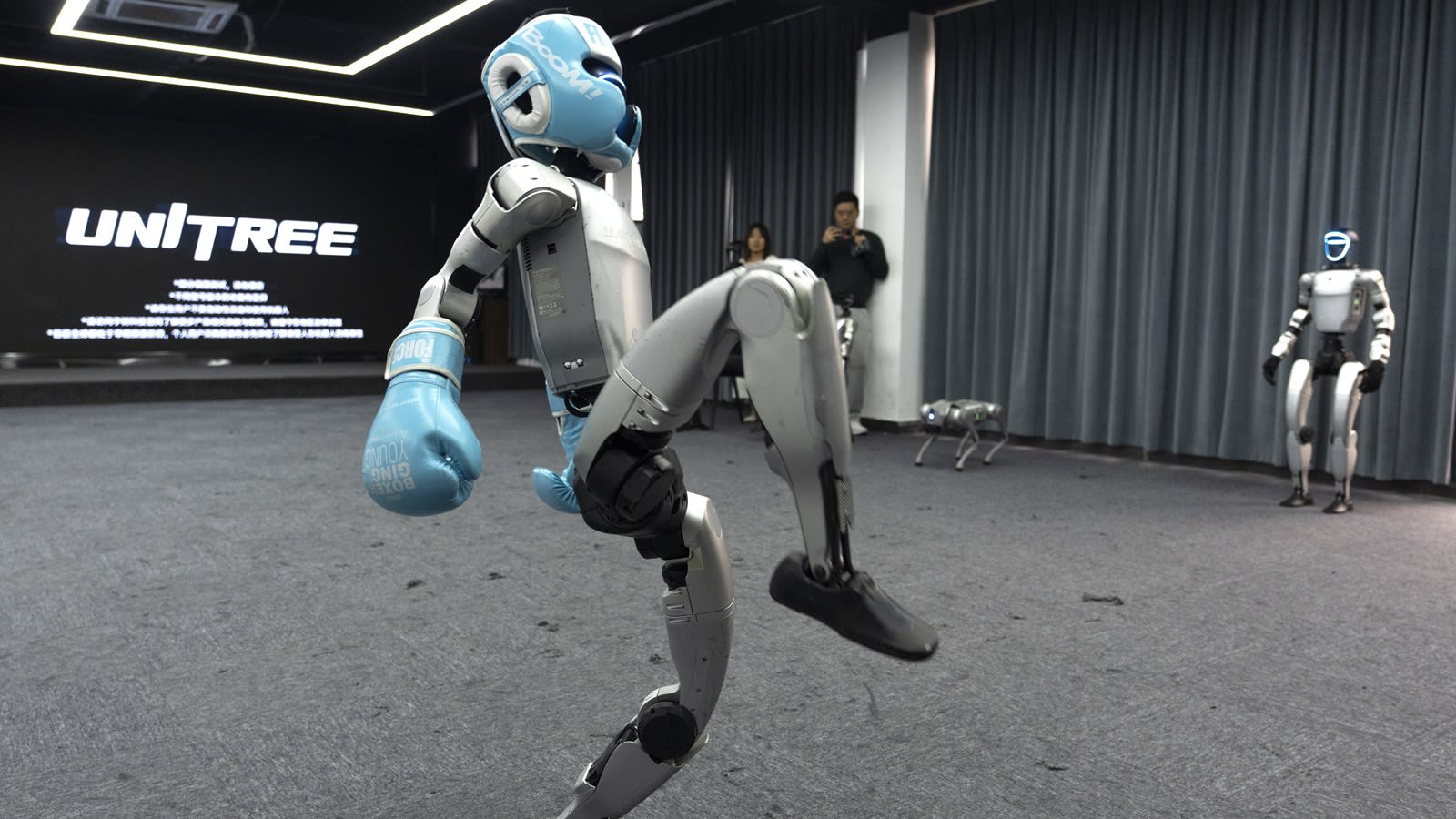
China is aggressively pushing its humanoid robotics industry, with over 300 companies showcasing new products at the World Robot Conference. Despite the hype, industry leaders like Unitree's Wang Xingxing warn that a 'ChatGPT-like' breakthrough for these robots remains a decade away.
The Rapid Evolution of China's Humanoid Robotics Sector
China is positioning itself at the forefront of the global robotics race, evidenced by the massive turnout at the recent World Robot Conference in Beijing. With over 300 domestic companies presenting more than 2,000 exhibits and launching 150 new products, the sheer scale of the event underscores the Chinese government's strategic bet that robotics will serve as a primary engine for future economic growth. This push is not merely about technological prestige; it is a calculated effort to diversify the nation's industrial output.
Moving Beyond Novelty to Utility
Historically, humanoid robotics demonstrations—such as the boxing robot seen at Unitree’s facilities—have served as crowd-pleasing spectacles designed to generate media interest. However, the current shift at the World Robot Conference signals a transition toward practical commercial application. Companies are now attempting to demonstrate robots performing tasks like sorting parcels, packing mobile phones, and assisting with household chores. This evolution is critical if the industry is to move from experimental prototypes to viable, revenue-generating tools.
The 'ChatGPT Moment' and Technological Realism
Despite the enthusiasm, industry insiders are tempering expectations regarding the timeline for widespread adoption. Wang Xingxing, founder of Unitree Robotics, has publicly stated that humanoid robots may still be a decade away from a "ChatGPT moment." This analogy refers to the sudden, transformative leap in capability that made generative AI accessible and useful to the public overnight. For humanoid robots, this breakthrough implies a level of autonomous intelligence and physical dexterity that current models, which are still limited in their utility, have yet to achieve.
Market Sentiment and Economic Ambition
Market confidence in this sector remains remarkably high, as seen in the recent performance of Unitree Robotics. Following its debut in Shanghai, the company’s stock soared 460% above its IPO price, highlighting a massive appetite among investors for the next frontier of industrial technology. This financial influx is essential for sustaining the long-term research and development required to overcome the current technical bottlenecks that limit robot functionality.
Broader Implications and Future Trends
As China continues to integrate robotics into its economic planning, the competition in this space is intensifying both domestically and internationally. The government views this sector as a critical arena for technological sovereignty and global leadership. While the current reality of these robots often falls short of the hype, the sheer volume of investment and corporate participation suggests that the trajectory is firmly set toward industrial automation. The next decade will likely be defined by a grueling process of refining AI integration and mechanical reliability, as companies strive to bridge the gap between today’s limited functional prototypes and the autonomous workforce of the future.