Chandigarh: Power firm notifies time-bound services under 2011 act
Source Entity
Latest News: Todays Latest News Headlines from India & World | Hindustan Times | Hindustan Times
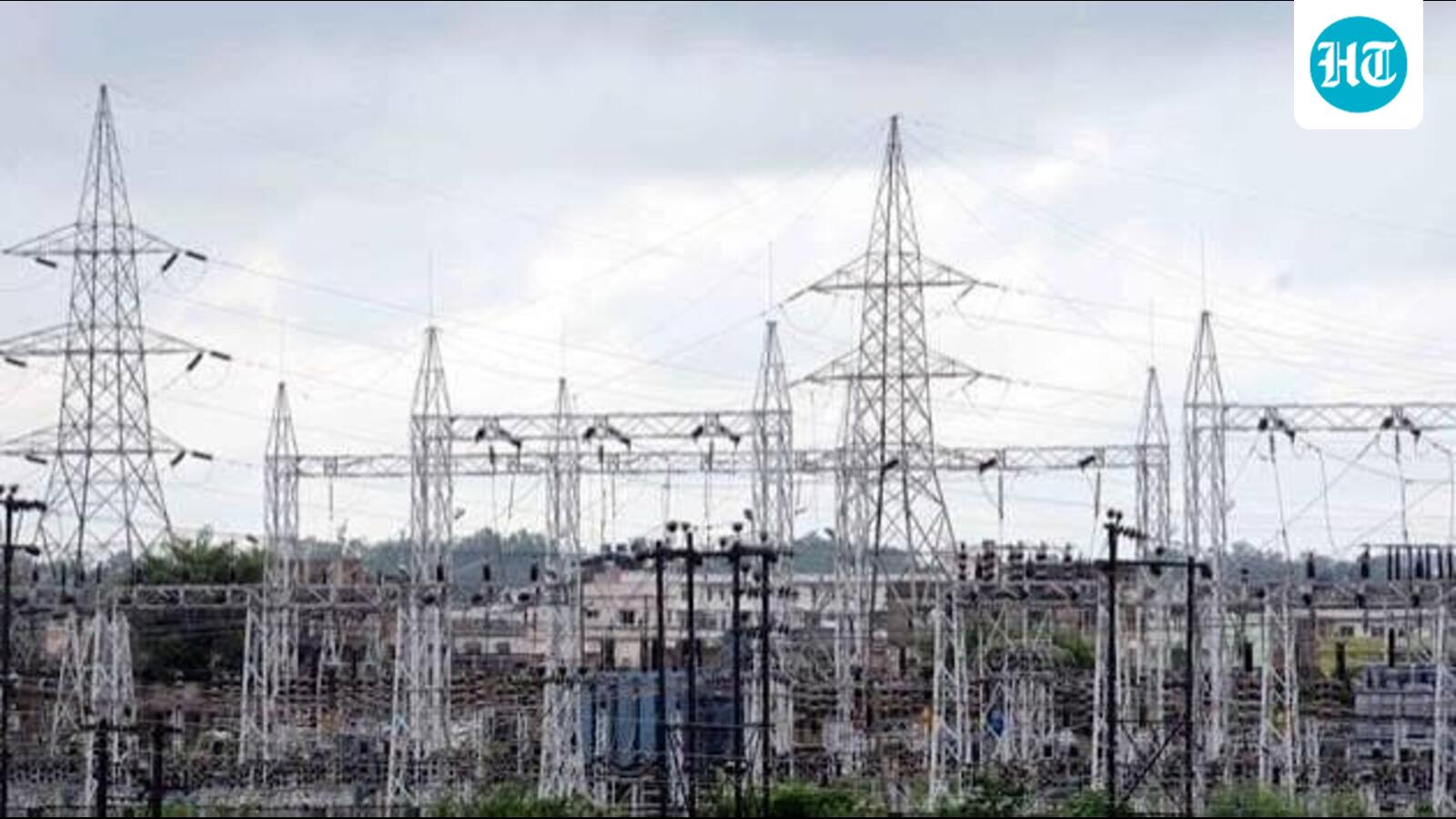
The Chandigarh administration has introduced time-bound service delivery norms for electricity consumers under the Punjab Right to Service Act, 2011. These new regulations mandate strict deadlines for CPDL to address technical faults, billing issues, and meter defects to improve public accountability.
Enhancing Accountability in Chandigarh's Power Sector
The Chandigarh administration has taken a significant step toward improving public utility services by formalizing time-bound delivery norms for electricity-related complaints. By invoking the Punjab Right to Service Act, 2011, the administration is bringing the Chandigarh Power Distribution Limited (CPDL) under a legal framework that prioritizes consumer needs and mandates accountability for delays in service delivery.
The Legal Framework: Punjab Right to Service Act
The implementation of these norms under the 2011 Act signifies a shift toward a more transparent governance model. By extending this legislation to the Union Territory, the administration ensures that utility providers are not merely service entities but are legally obligated to meet specific performance benchmarks. This legislative backing provides consumers with a clear mechanism to seek redressal, moving beyond informal complaints to a structured, time-sensitive process.
Operational Timelines and Technical Efficiency
A critical component of this notification, published on August 19, is the imposition of strict deadlines for technical repairs. For instance, the mandate that fuse blowouts must be rectified within four hours highlights a move toward rapid response times in infrastructure maintenance. By setting specific windows for resolving voltage fluctuations, meter defects, and billing discrepancies, the CPDL is now required to streamline its internal operational workflows to avoid penalties.
Designated Accountability and Administrative Oversight
The notification goes beyond mere service targets by establishing a hierarchy of designated officers and appellate authorities. This ensures that when service lapses occur, there is a clear chain of command responsible for the failure. By formalizing this structure, the administration aims to curb administrative lethargy, ensuring that consumer grievances are not relegated to endless bureaucratic cycles but are instead handled with professional urgency.
Broader Implications for Utility Management
This move serves as a blueprint for how other essential services might be regulated in the future. By codifying service delivery, Chandigarh is setting a precedent for utility companies across the country to adopt performance-based models. If successful, this framework could lead to higher consumer satisfaction and a more robust energy distribution network, as the pressure to meet these timelines will likely necessitate investments in better diagnostic tools and a larger, more responsive field force.
Future Trends and Concluding Summary
Looking ahead, the success of this initiative will hinge on the rigorous enforcement of the designated penalties for non-compliance. As the CPDL adjusts to these new mandates, it is expected that the utility provider will increasingly rely on digital tracking systems to monitor complaint resolution in real-time. Ultimately, this policy shift marks a milestone in Chandigarh’s urban governance, placing the consumer at the center of the utility delivery model.
Verification Required?