Student protests: Delhi Police affidavit in Supreme Court is rich with numbers, but quiet on fixing accountability
Source Entity
India Latest News: Top National Headlines Today & Breaking News | The Hindu
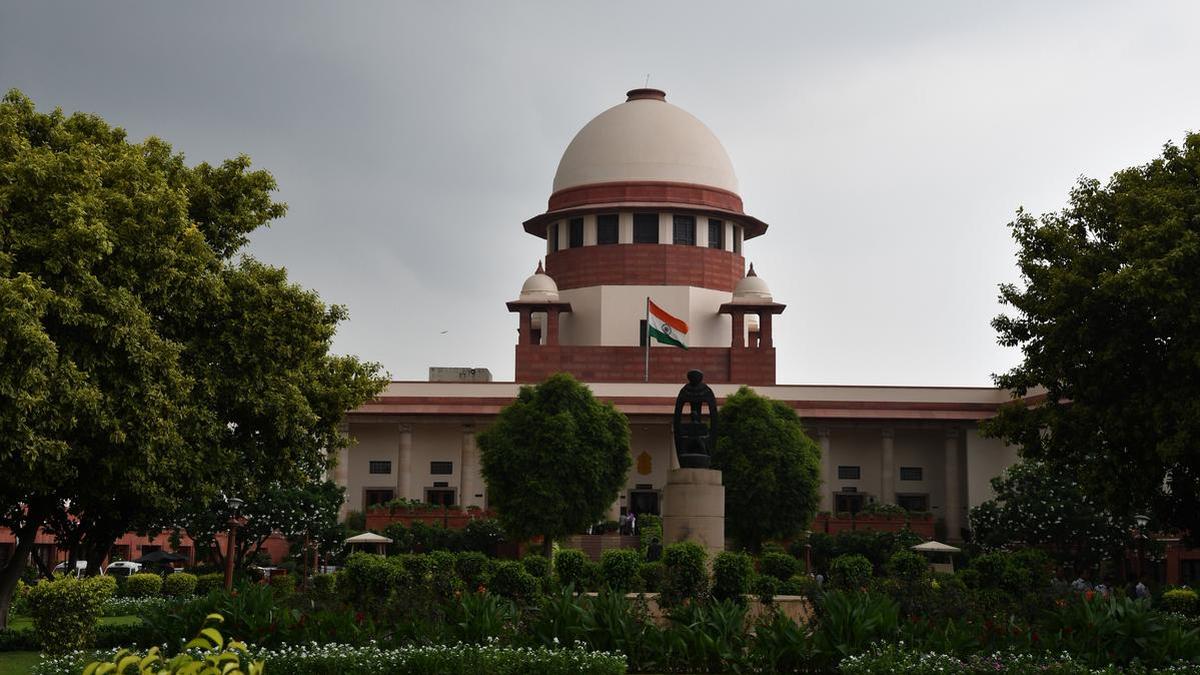
The Delhi Police has filed an affidavit in the Supreme Court justifying its use of facial recognition and force during NEET-UG protests. The Court is now forming a high-powered committee to investigate allegations of police excess while keeping privacy concerns regarding technology for separate consideration.
Analysis of the Delhi Police Response to NEET-UG Protests
The Statistical Defense of Law Enforcement
On August 17, 2026, the Delhi Police submitted a comprehensive 42-page affidavit to the Supreme Court regarding the handling of the NEET-UG protests. The document emphasizes a quantitative approach, detailing the logistical scale of the police response. According to the report, over 240 police personnel, including female officers, sustained injuries during the July 20 violence. Simultaneously, the police noted that approximately 218 protestors received medical treatment, framing the event as a high-stakes confrontation where the primary objective was the protection of vital infrastructure near the Parliament.
Accountability and Allegations of Excess
Despite the detailed statistics, the affidavit has drawn criticism for its relative silence regarding internal accountability. While the police maintain that the force used was "proportionate, reasonable, and graded," there is a notable absence of information regarding internal inquiries into specific allegations of officer misconduct against students. The Supreme Court has intervened by proposing a high-powered committee to investigate these claims of police excess, signaling that the judicial branch is not satisfied with the police’s self-assessment of the situation.
The Controversy of Surveillance Technology
A significant portion of the legal discourse centers on the Delhi Police’s admission of using Facial Recognition Systems (FRS) during the demonstrations. The police justify this as a "legitimate state interest," arguing that the technology is a necessary tool for crowd control and identifying individuals involved in unrest. However, this has ignited a fierce debate regarding Article 21 and the right to privacy. Legal counsel for the petitioners, including advocate Hariharan, have argued that the retention of data from ordinary citizens—rather than just "hardened criminals" as the Solicitor General claims—constitutes a fundamental violation of privacy rights.
Judicial Oversight and Future Implications
Chief Justice of India Surya Kant has directed stakeholders to provide suggestions for the scope of the proposed high-powered committee. Recognizing the complexity of the issues, the Court has decided to bifurcate the proceedings: the committee will focus on the use of physical force, while the constitutional and privacy implications of the FRS will be heard as a distinct legal matter. This approach highlights the judiciary's attempt to balance public order concerns with the protection of civil liberties in an era of increasing digital surveillance.
Broader Context and Conclusion
The integration of mass surveillance tools like FRS in protest management marks a turning point in Indian law enforcement. The outcome of the Supreme Court’s investigation will likely set a precedent for how the state can balance its duty to protect "vital installations" against the rights of citizens to assemble and maintain their privacy. As the Court continues to deliberate on the ambit of the committee, the case remains a critical focal point for the intersection of protest rights, state security, and the digital rights of the Indian populace.
Verification Required?