NEET-UG paper leak: Supreme Court advises meaningful continuity in NTA reforms, not Committee-hopping
Source Entity
India Latest News: Top National Headlines Today & Breaking News | The Hindu
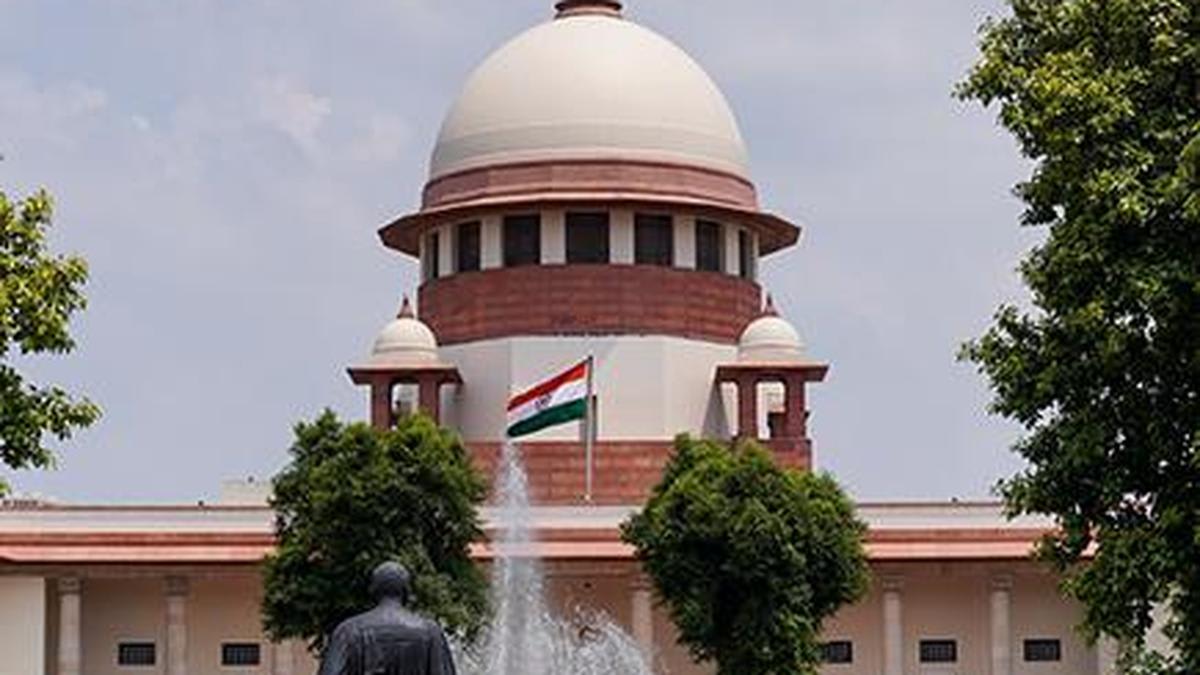
The Supreme Court has urged the government to focus on long-term institutional reforms for the NTA rather than frequent committee changes following NEET-UG paper leaks. Meanwhile, the Delhi High Court dismissed a petition calling for the agency's dissolution, as the NTA implements new security measures to combat examination mafias.
The Crisis of Credibility: Reforming the NTA
The National Testing Agency (NTA) is currently navigating a period of intense institutional scrutiny following widespread allegations of paper leaks and irregularities in the 2026 NEET-UG examination. The Supreme Court of India has intervened, emphasizing that the government must move beyond the cycle of 'committee-hopping' and instead focus on the substantive institutionalization of reforms. By highlighting the Radhakrishnan Committee’s findings, the Court signaled that the core issue is systemic rather than merely cosmetic, requiring consistent follow-through rather than the creation of new task forces that might discard previous, valuable recommendations.
The Role of the Nilekani Task Force
The appointment of a task force chaired by Infosys co-founder Nandan Nilekani marks a strategic pivot toward integrating high-level technological oversight into the examination process. However, the Supreme Court has cautioned that this new body must build upon the work of the earlier panel led by the former ISRO chief rather than replacing it entirely. The judiciary's insistence on 'meaningful continuity' underscores a lack of patience for bureaucratic reshuffling that fails to address the root causes of the exam security failures that have plagued recent testing cycles.
Legal Challenges and Judicial Boundaries
While the Supreme Court addresses the systemic failures, the legal battle continues in other forums. The Delhi High Court recently refused to entertain a petition seeking the complete scrapping of the NTA. The bench, led by Chief Justice DK Upadhyaya, clarified that the grievances presented by aspirants—specifically regarding OMR sheet tampering—were individual in nature and did not meet the threshold for Public Interest Litigation (PIL). The Centre, represented by Solicitor General Tushar Mehta, firmly rejected these claims of tampering, maintaining that the integrity of the re-examination process remains intact.
Combating the Examination 'Mafia'
At the heart of the NTA’s internal overhaul is a reactive strategy to neutralize the influence of external 'mafias' that have historically compromised the examination process. Officials have identified that prolonged tenures for subject experts provide these criminal entities with ample time to exert pressure or compromise personnel. Consequently, the agency is moving toward a model of shorter tenures for experts, alongside the implementation of air-gapped systems and restricted information flow to prevent internal leaks.
Institutionalizing Security Measures
These security upgrades, which include staggered information dissemination, have reportedly been stress-tested during the recent CSIR exam and the NEET re-examination. By transitioning these measures from experimental status to institutional policy, the Ministry of Education aims to create a more resilient testing environment. The challenge remains for the NTA to prove that these technical safeguards can withstand the evolving tactics of those attempting to manipulate the sanctity of national entrance exams.
Future Outlook and Conclusion
The path forward for the NTA is defined by a dual requirement: the technical hardening of the examination infrastructure and the legal stabilization of the agency's governance. As the Supreme Court continues to monitor the progress of these reforms, the pressure remains on the government to demonstrate that these changes are not merely reactive, but are part of a durable, long-term strategy to restore public trust in India's competitive examination framework.
Multiple Citing Sources
Verification Required?