Centre fixes accountability for NCR air, orders sealing of 191 units
Source Entity
Nikhil Ghanekar
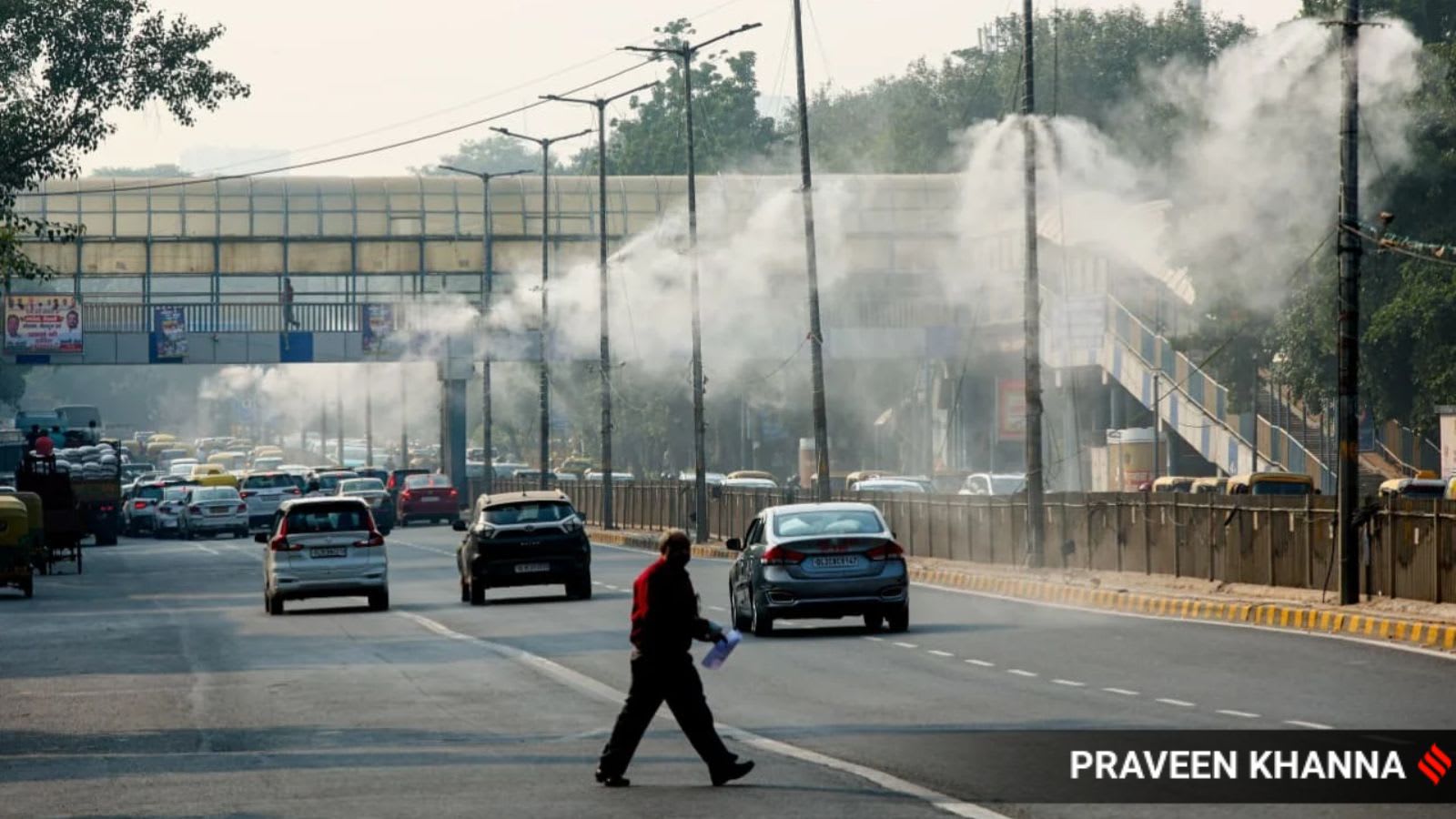
Delhi faces a dual environmental and political crisis as authorities grapple with Yamuna water pollution and severe air quality degradation. While the police investigate reports of dead fish, the government has ramped up enforcement against pollution violations in the NCR.
Environmental Crisis and Political Friction in Delhi
The national capital is currently navigating a convergence of environmental distress and heightened political tension. The recent discovery of dead fish in the Yamuna River near Sonia Vihar has triggered a fierce political debate between the BJP and the Aam Aadmi Party (AAP). This incident, captured in viral social media videos, has moved beyond mere public discourse, resulting in a formal FIR registered by the Delhi Police at the Wazirabad station under the Bharatiya Nyaya Sanhita (BNS).
Legal Ramifications of the Yamuna Incident
The Delhi government’s Irrigation and Flood Control (I&FC) Department has taken a proactive legal stance by filing a complaint regarding the incident. The police have invoked sections related to public mischief, intentional insult to provoke a breach of peace, and providing false information. This suggests that the administration is not only concerned about the ecological impact of the fish deaths but is also actively countering the narrative surrounding the pollution, framing the spread of such information as a potential legal liability.
Escalation in Air Quality Management
Parallel to the water crisis, Delhi’s air quality has deteriorated to near-severe levels, prompting the Union Environment Ministry to intervene. Union Minister Bhupender Yadav has mandated that state governments appoint Secretary-level officials to oversee anti-pollution measures in NCR cities. By demanding direct accountability and empowering the Commission for Air Quality Management (CAQM) to issue notices to non-performing officials, the Centre is signaling a shift toward more rigid bureaucratic oversight in the fight against smog.
Enforcement and the Winter Action Plan
Under the capital's Winter Action Plan, the Municipal Corporation of Delhi (MCD) has intensified its enforcement efforts. Between November 2 and 13, the civic body issued over 14,000 challans, collecting nearly Rs 1.5 crore in fines for violations such as waste burning. Despite these numbers, the absence of enforcement on November 8, the day of Diwali, highlights potential gaps in the continuous application of these environmental mandates.
Broader Implications and Future Trends
The intersection of these events reveals a city struggling with systemic infrastructure and environmental challenges. The reliance on punitive measures—such as high-value fines and criminal investigations—reflects a reactive approach to long-standing ecological issues. Moving forward, the effectiveness of the Winter Action Plan will depend on whether these measures can be sustained beyond the festive season and if the accountability mechanisms established by the Centre can genuinely bridge the gap between policy formulation and ground-level execution.
Conclusion
Ultimately, Delhi is at a crossroads where environmental governance is increasingly becoming a theater for political contention. The success of future interventions will likely hinge on the ability of state and central agencies to move past political blame-games and focus on long-term, science-based solutions to mitigate both water contamination and air pollution.
Multiple Citing Sources