UK lost more than it gained from Brexit, Burnham to say ahead of EU summit
Source Entity
BBC News
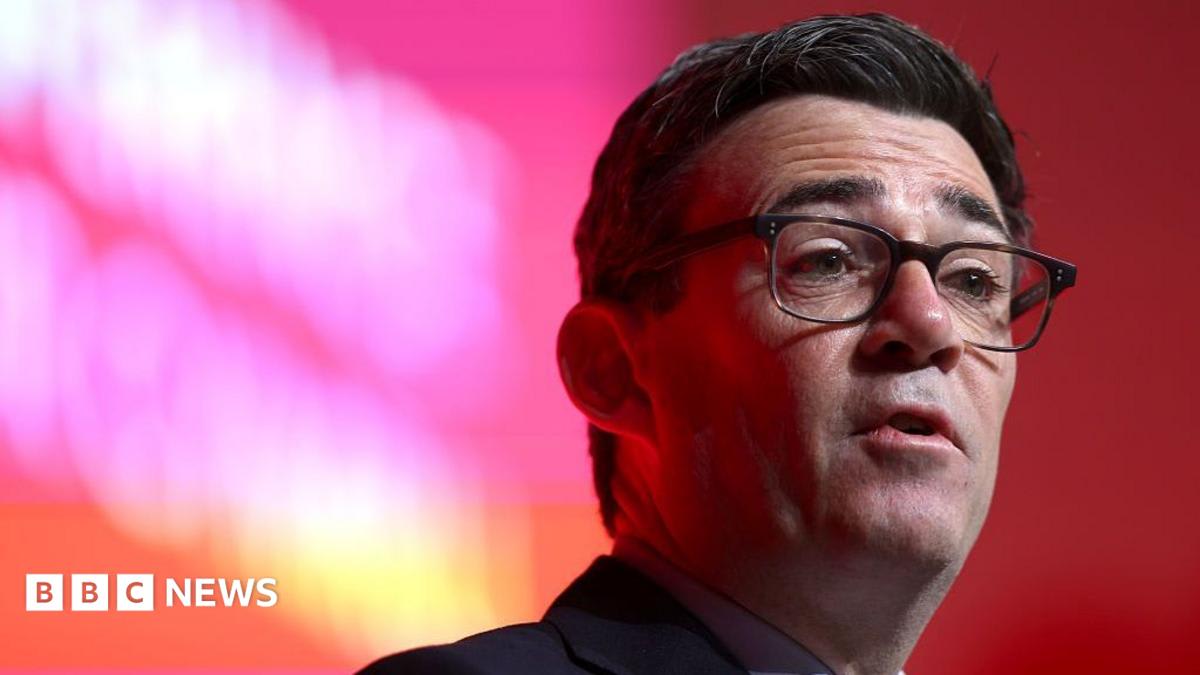
Prime Minister Andy Burnham is set to argue that the UK's Brexit deal has failed to deliver promised benefits. He aims to pursue a 'win-win' reset with the EU focused on food, energy, and youth mobility.
The Brexit Reckoning: A New Diplomatic Strategy
Prime Minister Andy Burnham has signaled a significant shift in the UK’s approach to its post-Brexit reality, framing the current trade arrangements as a failure. In an upcoming address at the Lord Mayor’s Banquet, Burnham is expected to characterize the existing Brexit deal as the 'emperor's new clothes,' suggesting that the political narrative surrounding the departure from the European Union has masked structural economic disadvantages. By acknowledging that the UK has lost more than it has gained, the government is attempting to pivot away from the rigid isolationist rhetoric that defined the immediate post-referendum years.
Challenging the 'Take Back Control' Narrative
Central to Burnham's critique is the assertion that the promise to 'take back control' has not been fulfilled. The Prime Minister contends that the 'needlessly hard Brexit' implemented has served primarily to erect barriers for British businesses, stifling growth and complicating supply chains. This analysis reflects a growing consensus among various sectors of the UK economy that the current regulatory friction is unsustainable. By framing the issue this way, the government is looking to dismantle the political taboo that has long surrounded any attempt to renegotiate the terms of the UK-EU relationship.
The Path Toward a 'Win-Win' Reset
Ahead of the upcoming summit in Brussels, the administration is prioritizing targeted agreements rather than a wholesale overhaul of the withdrawal agreement. Burnham has identified food, energy, and youth mobility as the primary pillars for these negotiations. These sectors represent areas where mutual cooperation could yield immediate, tangible benefits for both the UK and the European Union, potentially lowering costs and increasing labor market fluidity. The focus on a 'win-win' framework is designed to depoliticize the technical discussions and prioritize economic pragmatism over ideological posturing.
Domestic Political Friction
The proposed 'EU reset' has not been met without resistance. The Conservative Party has characterized these efforts as a 'back door' attempt to rejoin the European Union, signaling a continued deep polarization regarding the UK’s geopolitical alignment. This internal friction highlights the difficulty of navigating a post-Brexit landscape where any move toward closer integration is viewed through the lens of betrayal by political opponents. The government must balance its desire for economic relief with the reality of a fractured domestic electorate that remains highly sensitive to any perceived erosion of sovereignty.
Future Implications and Economic Outlook
The outcome of Friday's summit will be a litmus test for the government's ability to navigate complex international relations while managing domestic dissent. If successful, these new agreements could pave the way for a more stable, predictable trading relationship that mitigates some of the harshest impacts of the current deal. Conversely, failure to secure these concessions could leave the UK in a state of economic limbo. As the nation moves further away from the 2016 referendum, this shift toward a more collaborative, albeit cautious, approach suggests a long-term trend toward re-engaging with European institutions to bolster national prosperity.