Over 1,400 ghats to be readied for Chhath, Delhi may invite foreign ambassadors
Source Entity
The Indian Express
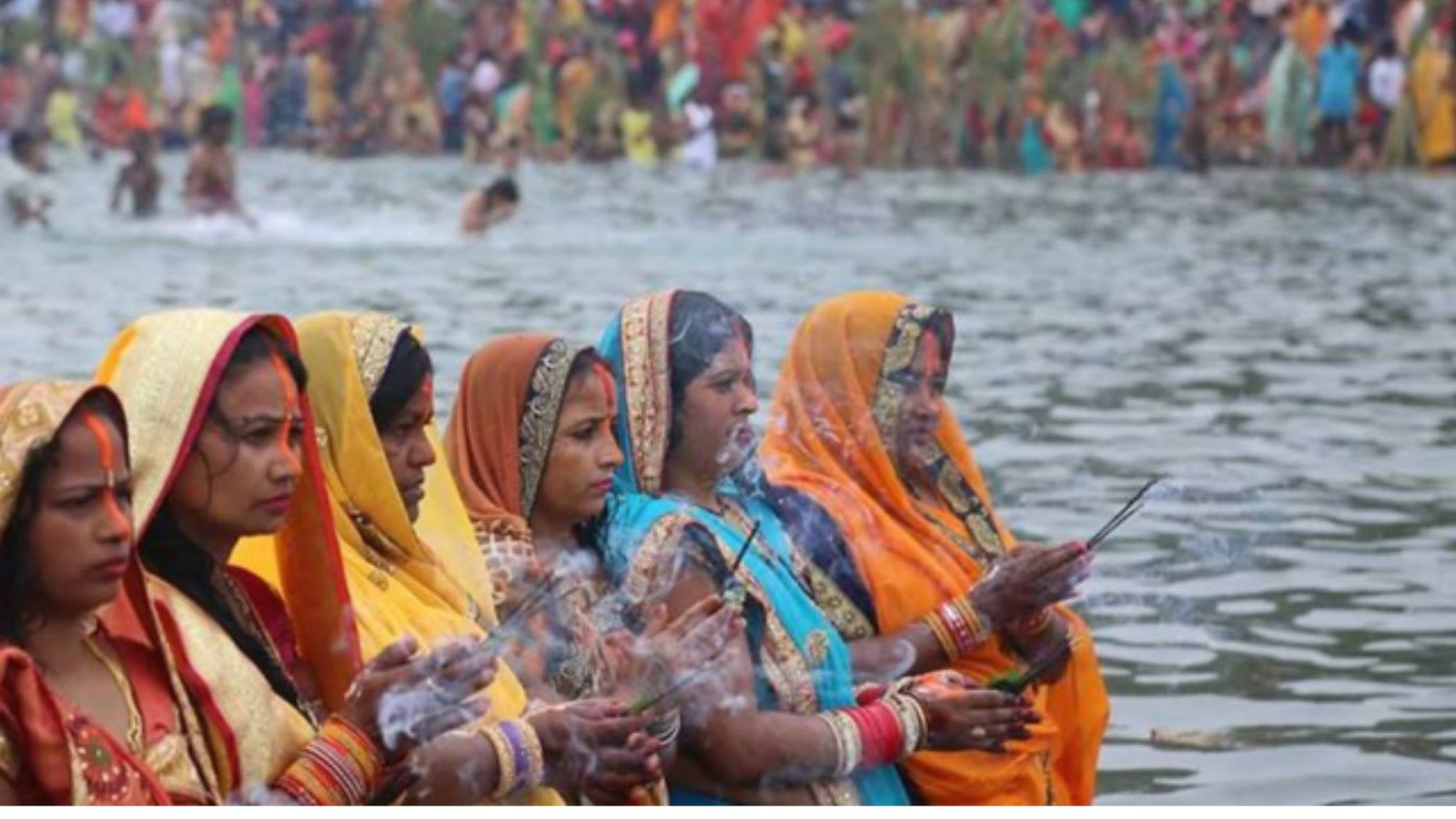
Delhi is preparing over 1,400 ghats for the upcoming Chhath festival, marking an increase from last year's 1,326 sites. The government also plans to invite foreign ambassadors to showcase the cultural significance of the event.
Delhi Scales Up Preparations for Chhath Puja
As the capital city gears up for the auspicious Chhath festival, the Delhi government has announced an expansion of infrastructure to accommodate the growing number of devotees. Authorities have confirmed that over 1,400 ghats will be readied for the four-day festival, which begins on November 13. This represents a significant increase from the 1,326 ghats established last year, reflecting the administration's commitment to supporting the capital's diverse cultural demographic.
Administrative Directives and Timelines
Chief Minister Rekha Gupta has taken a proactive stance, mandating that all basic preparations be completed by November 6. This deadline is designed to ensure that the necessary safety and convenience measures are fully operational before the onset of the rituals. By coordinating across various government departments and district administrations, the administration aims to minimize logistical hurdles for the thousands of citizens who observe this rigorous festival.
Cultural Diplomacy Through Festivity
In a unique move to promote the cultural heritage of the festival on an international stage, the Delhi government has revealed plans to invite foreign ambassadors to experience Chhath. This initiative is being facilitated through coordination with the Indian Council for Cultural Relations (ICCR), which will assist in identifying a venue suitable for hosting diplomatic dignitaries. By integrating international representation into the event, Delhi seeks to highlight the deep-rooted community spirit and spiritual significance of the festival.
Safety and Infrastructure Management
Beyond the expansion of venues, the primary focus of the review meetings held by CM Gupta is the safety of the devotees. With the festival involving complex rituals performed at water bodies, the management of these 1,400+ sites requires meticulous planning regarding crowd control, sanitation, and water quality. The directive to civic agencies emphasizes that the infrastructure must not only be greater in volume than previous years but also higher in standard to ensure a seamless experience for the public.
Broader Implications and Future Trends
This expansion of Chhath infrastructure serves as a barometer for the changing urban landscape of Delhi. As the migrant population grows and cultural practices become more deeply embedded in the city's fabric, the government is forced to pivot from ad-hoc arrangements to permanent, scalable infrastructure planning. If the current trajectory of participation continues, the city will likely see further investments in permanent waterfront developments to facilitate these large-scale religious gatherings in the coming years.
Conclusion
The scale of the upcoming Chhath festival in Delhi underscores both the cultural vibrancy of the capital and the government's increasing efforts to institutionalize support for major public festivals. By balancing the practical requirements of safety and logistics with a forward-looking strategy of cultural diplomacy, the administration is setting a new precedent for how urban centers manage large-scale religious events in a globalized society.