CJP protest: RAF probes excessive force, pellet gun charges in July 20 crackdown
Source Entity
TOI NEWS DESK
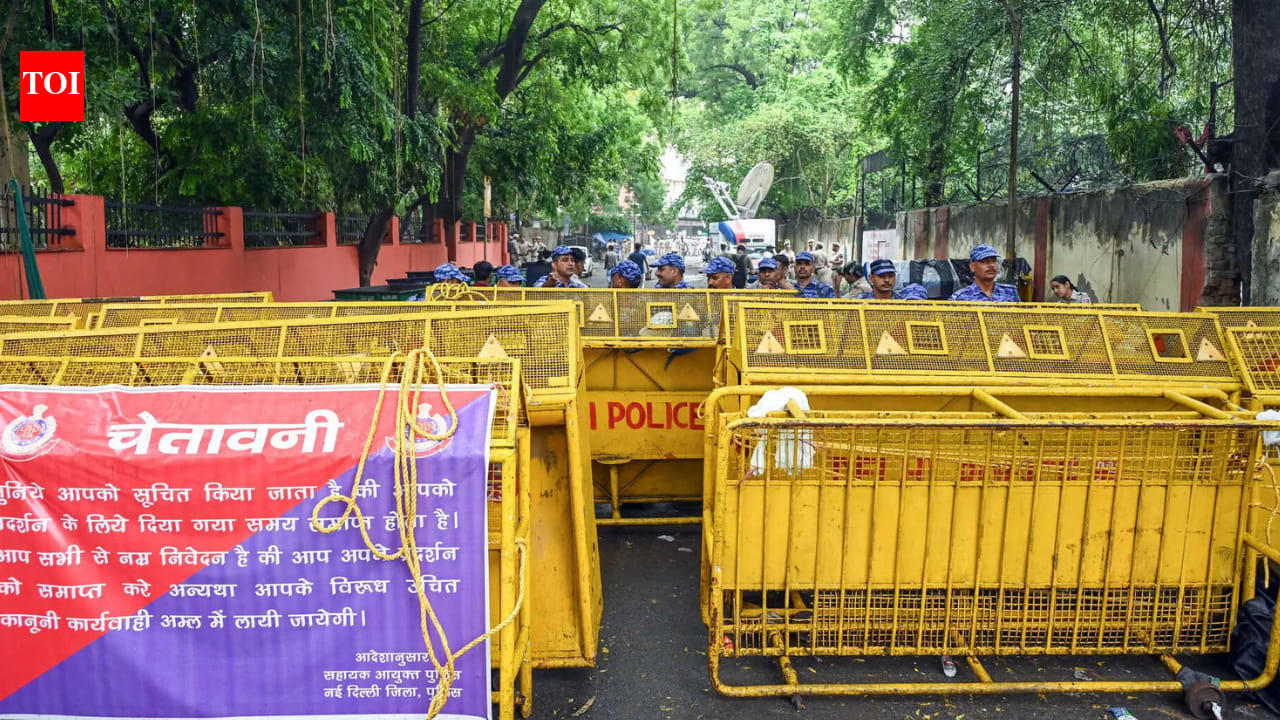
The Rapid Action Force is investigating allegations of excessive force and pellet gun usage during a July 20 student protest in Delhi. This follows reports of injuries, including those sustained by 25-year-old protester Irshad Shaikh, which contradict initial police claims.
Investigative Scrutiny into the July 20 Delhi Protests
Recent events surrounding the 'Chalo Sansad' march held on July 20 in New Delhi have escalated into a significant controversy regarding the conduct of law enforcement. The Rapid Action Force (RAF), operating under the Central Reserve Police Force (CRPF), has initiated an internal verification process to examine allegations of excessive force used against student demonstrators. This inquiry comes amidst heated public discourse and conflicting reports regarding the deployment of pellet guns during the dispersal of crowds near Jantar Mantar.
Contradictory Evidence and Medical Reports
A critical point of contention involves the physical evidence gathered from the aftermath of the protest. While initial accounts from authorities suggested a controlled response to the demonstration, hospital documentation directly challenges this narrative. The case sheet of 25-year-old protester Irshad Shaikh provides clinical evidence of pellet injuries on his face, neck, and upper body. These medical findings have served as a catalyst for human rights concerns, as they appear to contradict the official stance maintained by the Delhi Police regarding the nature of the force employed against the protesters.
The Impact of Alleged Pellet Gun Use
Irshad Shaikh, an IT professional based in Gurgaon, has become the face of the debate surrounding the use of non-lethal weapons in crowd control. Shaikh’s account of being targeted by an RAF staffer near Jantar Mantar highlights the physical and psychological toll of such confrontations. The severity of his injuries, which necessitated surgery, underscores the potential dangers of using pellet-based crowd control methods, a subject that has historically sparked intense debate regarding the proportionality of police response in democratic protests.
Procedural Transparency and Institutional Accountability
In response to mounting pressure and student-led demands for the resignation of the education minister, the CRPF has tasked its Inspector General with verifying the sequence of events. This internal review is currently focused on analyzing video footage depicting both the actions of the demonstrators and the defensive maneuvers of the security personnel. While a formal Court of Inquiry has not yet been established, the current probe signifies an acknowledgment by the security establishment that the conduct of its personnel requires objective evaluation.
Broader Implications for Civil Discourse
The ongoing investigation into the July 20 incident reflects a broader tension between the state's mandate to maintain public order and the democratic right to peaceful protest. As the RAF continues its internal verification, the findings will likely influence future protocols for riot control in the capital. The case serves as a reminder of the fragility of the space for dissent, where the line between managing civil unrest and infringing upon the safety of citizens can become dangerously blurred.
Conclusion
The situation remains fluid as authorities weigh the evidence of alleged excessive force against the operational requirements of the security forces. The discrepancy between police claims and medical documentation highlights a significant gap in transparency that the current internal probe must address. Moving forward, the outcome of this investigation will be pivotal in determining whether accountability measures will be strictly applied or if the incident will further polarize the relationship between student activists and the state.
Multiple Citing Sources