A slap, an insult, and the collapse of civic restraint
Source Entity
Rajni Bakshi
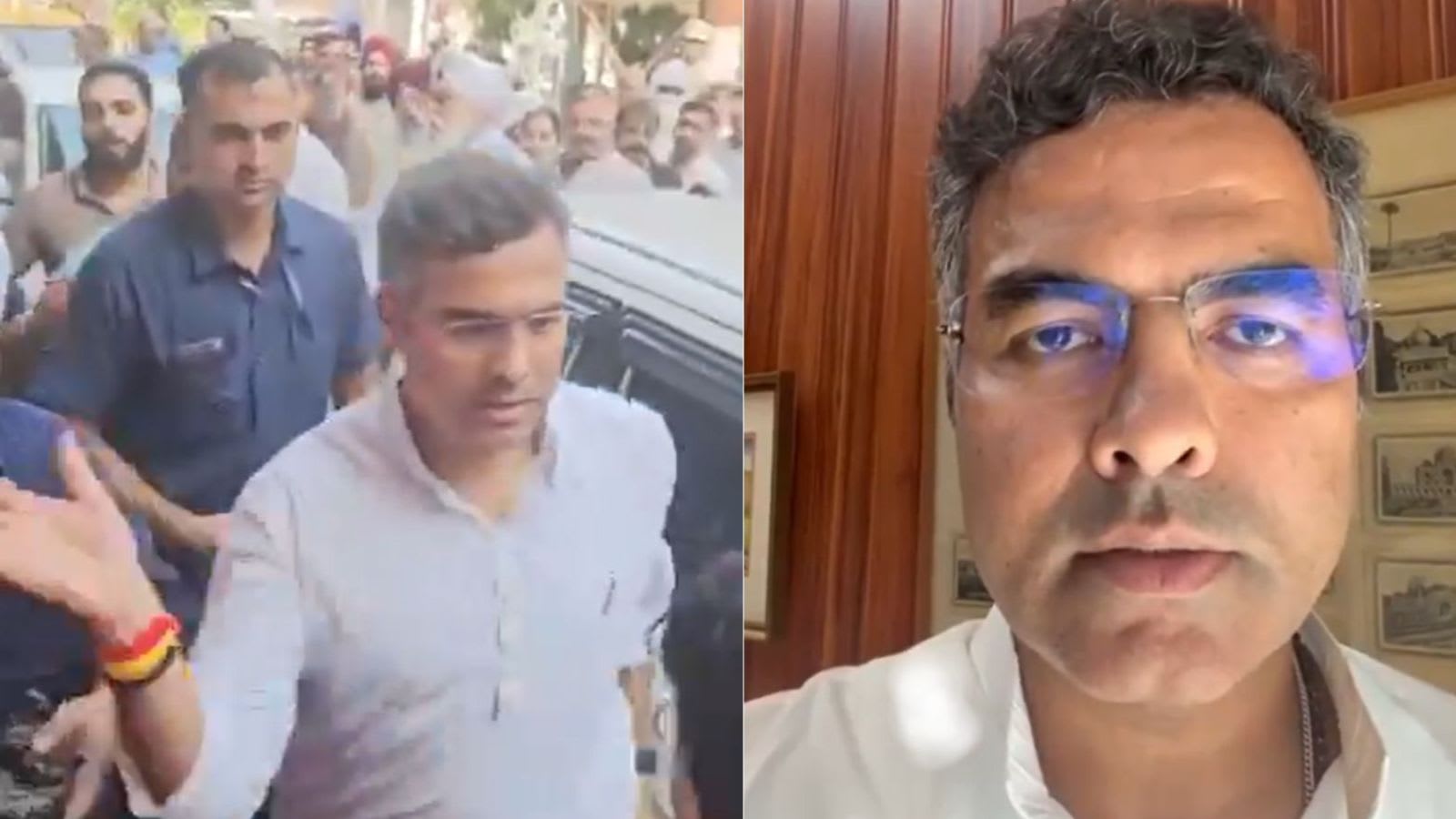
Delhi PWD Minister Sahib Singh's public slapping of a citizen has sparked a debate on the decline of civic restraint among elected officials. The incident highlights a troubling dichotomy between public condemnation of power abuse and a growing, latent societal urge to express frustration with impunity.
The Erosion of Civic Restraint in Modern Governance
The recent incident involving Delhi PWD Minister Sahib Singh, who was caught on camera slapping an ordinary citizen, serves as a stark illustration of the deteriorating standards of public conduct among elected representatives. This act of physical aggression is not merely a localized altercation; it represents a profound collapse of the democratic decorum expected from those entrusted with public office. When an individual in a position of power resorts to violence, it fundamentally alters the power dynamic, stripping away the layer of accountability that is supposed to define the relationship between the state and the citizenry.
The Echo of Public Aggression
As noted in the reports, a slap in public carries a resonance that travels far beyond the immediate moment of impact. It acts as a catalyst, forcing society to confront the fragility of the 'sanskar'—or upbringing—that is meant to curb our most base impulses. When a minister, who is theoretically a public servant, disregards these societal norms, it sends a dangerous signal that physical dominance is an acceptable tool for conflict resolution. This behavior threatens to normalize aggression, potentially eroding the social contract that relies on mutual respect rather than coercion.
The Ambivalence of Public Opinion
Perhaps the most disturbing aspect of this event is the likely split in public reaction. While there is a standard, expected condemnation of a leader mistreating a citizen, a deeper, more cynical reality may exist. Many observers suggest that the public response is nuanced by a secret, repressed desire to act out similar frustrations with total impunity. This reflects a society increasingly strained by daily pressures, where the minister’s act, while condemned, is simultaneously viewed through a lens of envy by those who feel powerless in their own lives.
Power, Impunity, and Social Frustration
The incident highlights a broader trend: the escalation of rage and irritation in public spaces. In an era where political discourse is often characterized by confrontation, the threshold for civility is dropping. When an elected official violates basic norms, it serves as a litmus test for the health of our civic institutions. The fact that a minister feels emboldened enough to strike a citizen suggests a systemic issue regarding accountability, where the hierarchy of power is mistakenly equated with a license to ignore the law.
A Call for Re-evaluating Political Ethics
Ultimately, this event forces us to dwell on the wider problem of escalating societal frustration. It is not sufficient to merely criticize the individual; we must examine the environment that fosters such behavior. For democracy to function, there must be a rigorous adherence to the norms of civil conduct, especially by those who hold the levers of authority. Without a firm rejection of such displays of power, the risk is that the 'collapse of civic restraint' will become a permanent feature of our political landscape, further alienating the public from the institutions that are meant to protect and serve them.