Top Maharashtra poll official seeks more powers for EROs to handle voter discrepancies
Source Entity
India Latest News: Top National Headlines Today & Breaking News | The Hindu
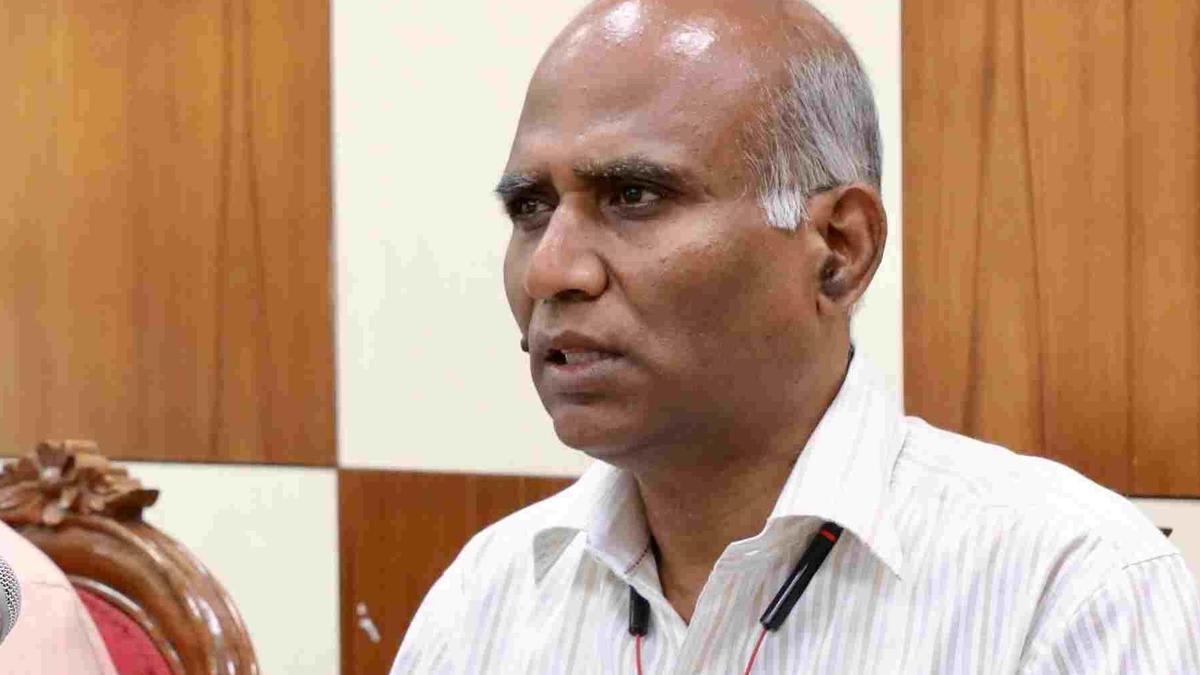
Maharashtra's Chief Electoral Officer has requested software changes to grant EROs more discretion in resolving electoral roll anomalies. Meanwhile, reports indicate that political agents are bypassing application caps, and a significant portion of deleted voters are categorized as 'absent or shifted'.
Enhancing Electoral Integrity: The Push for ERO Discretion
In a significant development for electoral administration, Maharashtra Chief Electoral Officer S. Chockalingam has formally requested that the Election Commission of India (ECI) modify the ECINet software. This initiative, communicated via a letter on September 24, 2026, seeks to empower Electoral Registration Officers (EROs) with greater discretion to address anomalies within electoral rolls. By decentralizing certain decision-making processes, the proposal aims to streamline the resolution of discrepancies that currently hinder the accuracy of voter lists.
Challenges in Digital Oversight and Enforcement
While the ECI strives for digital centralization, technical loopholes have emerged in the administration of the Special Intensive Revision (SIR) process. Current guidelines cap Booth Level Agents (BLAs) at ten applications per day to prevent the flooding of the system with mass objections. However, evidence suggests that the ECINet portal lacks the necessary automated mechanisms to enforce this limit. Reports indicate that political party-appointed agents, such as those affiliated with the BJP in Delhi, have successfully filed dozens of objections within a 48-hour window, effectively bypassing established regulatory caps.
The 'Absent, Shifted, or Others' Dilemma
Data surrounding the ongoing nationwide SIR process reveals a concerning trend regarding the mass deletion of voter names. Out of 13.3 crore deletions processed, a staggering 9.5 crore—approximately 71%—fall under the 'absent, shifted, or others' category. This high volume of deletions in a non-definitive category suggests a systemic fluidity in the rolls. Unlike deletions due to death or confirmed multiple entries, these 'absent or shifted' status markers are often temporary, implying that a vast number of these citizens may be eligible for reinstatement once the revision cycle concludes.
Disparities in Application Processing
Beyond the raw numbers of deletions, there is a noted imbalance in the processing efficiency of electoral applications. Reports highlight that Form 7 objections—which seek the removal of names from the rolls—are being disposed of at a faster rate than Form 6 inclusion applications. This discrepancy is particularly striking given that the volume of inclusion requests often outweighs that of objections. Such procedural imbalances raise questions about the prioritization of electoral roll maintenance and the potential for voter disenfranchisement if administrative speed favors removal over registration.
Broader Implications for Indian Democracy
These developments underscore the tension between the ECI's push for a centralized, digitized electoral roll and the practical realities of ground-level implementation. The request for increased ERO discretion is a direct response to the rigidity of the current software, which, while intended to prevent bias, can also hinder the nuanced verification required for accurate voter lists. As the ECI balances the need for security against the need for accessibility, the integrity of future elections will depend on its ability to close loopholes used by political actors to manipulate roll revisions.
Conclusion and Future Outlook
Looking ahead, the ECI faces the dual challenge of refining its software to prevent unauthorized mass filings while ensuring that the 'absent or shifted' category does not become a vehicle for mass voter suppression. The success of the SIR process hinges on the commission's ability to reconcile these administrative hurdles. By granting EROs the tools to handle anomalies locally while simultaneously tightening the digital guardrails on the ECINet portal, the ECI aims to restore confidence in the robustness of the electoral roll for upcoming democratic cycles.
Multiple Citing Sources
Verification Required?