‘Stayed for another shift to earn more’: Kin of Delhi shoe factory fire victims
Source Entity
Sakshi Chand
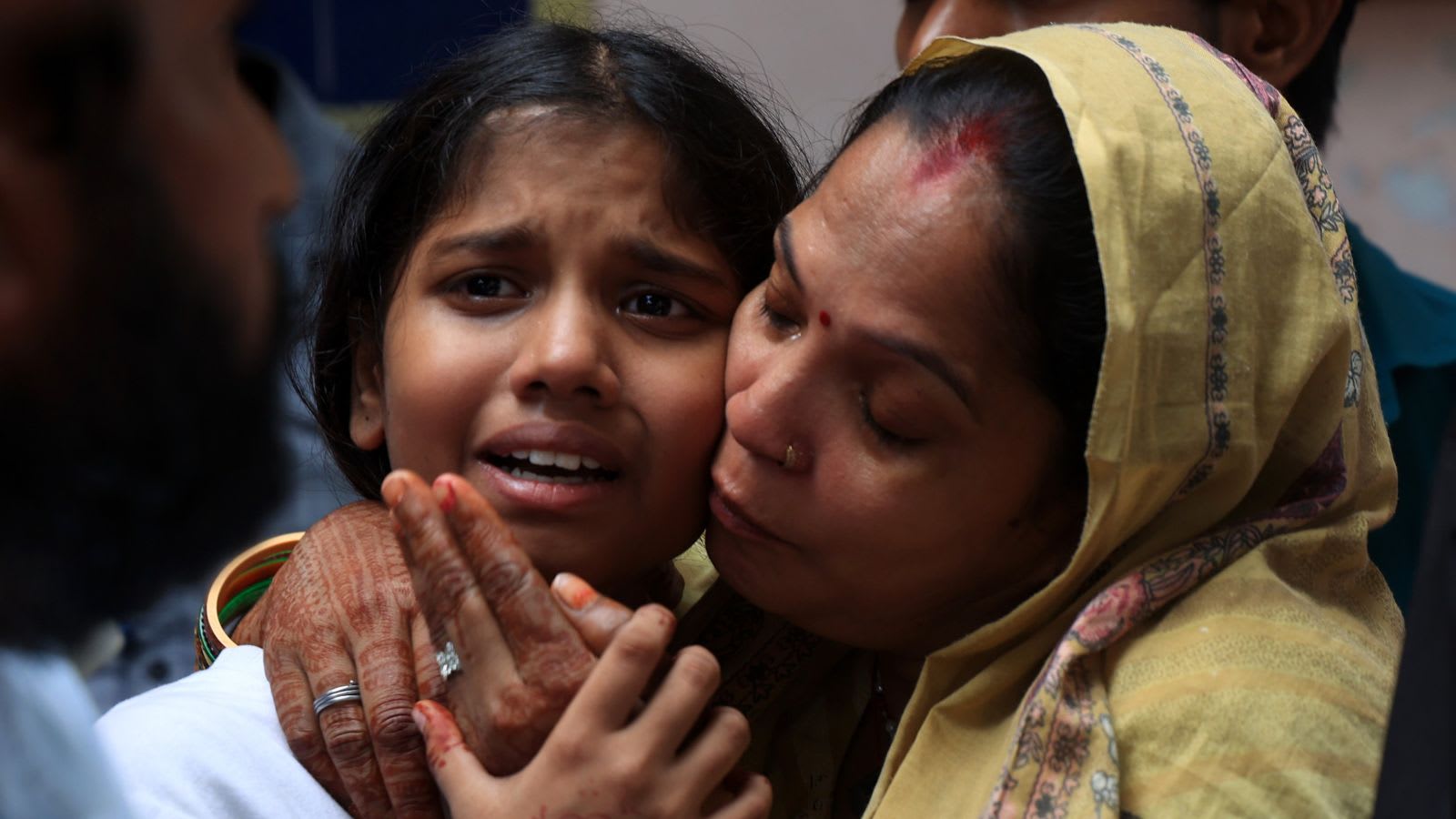
A devastating fire at a Delhi shoe factory has claimed the life of Harihar, a long-term employee and sole breadwinner. The tragedy highlights the risks faced by laborers working double shifts to support their families during the festive season.
A Tragic Loss in Delhi's Industrial Belt
The recent fire at a shoe factory in Northwest Delhi’s Mangolpuri has left a community in mourning and a family shattered. Harihar, a 40-year-old laborer who had dedicated over two decades of his life to the factory, lost his life while attempting to secure a better future for his children. His death is not merely an isolated industrial accident; it reflects the precarious reality of thousands of workers who serve as the backbone of Delhi’s manufacturing sector.
The Human Cost of Economic Necessity
For Harihar’s wife, Gayatri, the tragedy is particularly poignant. Having celebrated Karva Chauth just two days prior, she found herself at the Sanjay Gandhi Memorial Hospital mortuary, her festive henna still visible—a stark contrast to the grief of identifying her husband’s body. As the family’s sole breadwinner, Harihar’s decision to work double shifts during the peak festive season was driven by the desire to increase his Rs 35,000 monthly salary. This narrative sheds light on the immense economic pressure faced by migrant and local laborers in urban industrial hubs.
Systemic Risks in Manufacturing Clusters
The Mangolpuri shoe factory incident underscores broader concerns regarding workplace safety regulations in Delhi’s dense, unorganized industrial zones. Factories in these areas often operate under high-pressure conditions, particularly during festive spikes in demand for consumer goods. The practice of employees working extended hours, or 'double shifts,' to augment their income often increases fatigue, potentially compromising safety protocols and reducing the capacity for workers to respond to emergencies like sudden fires.
The Impact on Families and Future Stability
The emotional toll on Harihar’s children—Anjali, Himanshu, and Ansh—is profound, as they now face an uncertain future without their father’s guidance and financial support. This event serves as a harrowing reminder of the vulnerability of families dependent on a single earner in high-risk industrial environments. The loss of a worker with over twenty years of experience is also a loss of institutional knowledge for the factory, yet the human cost remains the paramount tragedy.
Examining Industrial Safety Standards
Moving forward, this incident must catalyze a rigorous review of fire safety compliance in Delhi’s manufacturing units. While individual workers like Harihar make personal sacrifices to sustain their families, the responsibility for maintaining a safe environment rests with factory owners and regulatory bodies. Ensuring that safety exits, fire suppression systems, and labor hour limits are strictly enforced is essential to preventing future tragedies that leave families like Harihar’s in such devastating circumstances.