Shastri Bhawan being razed, Capital’s first Jan Aushadhi Kendra has nowhere to go
Source Entity
Anonna Dutt
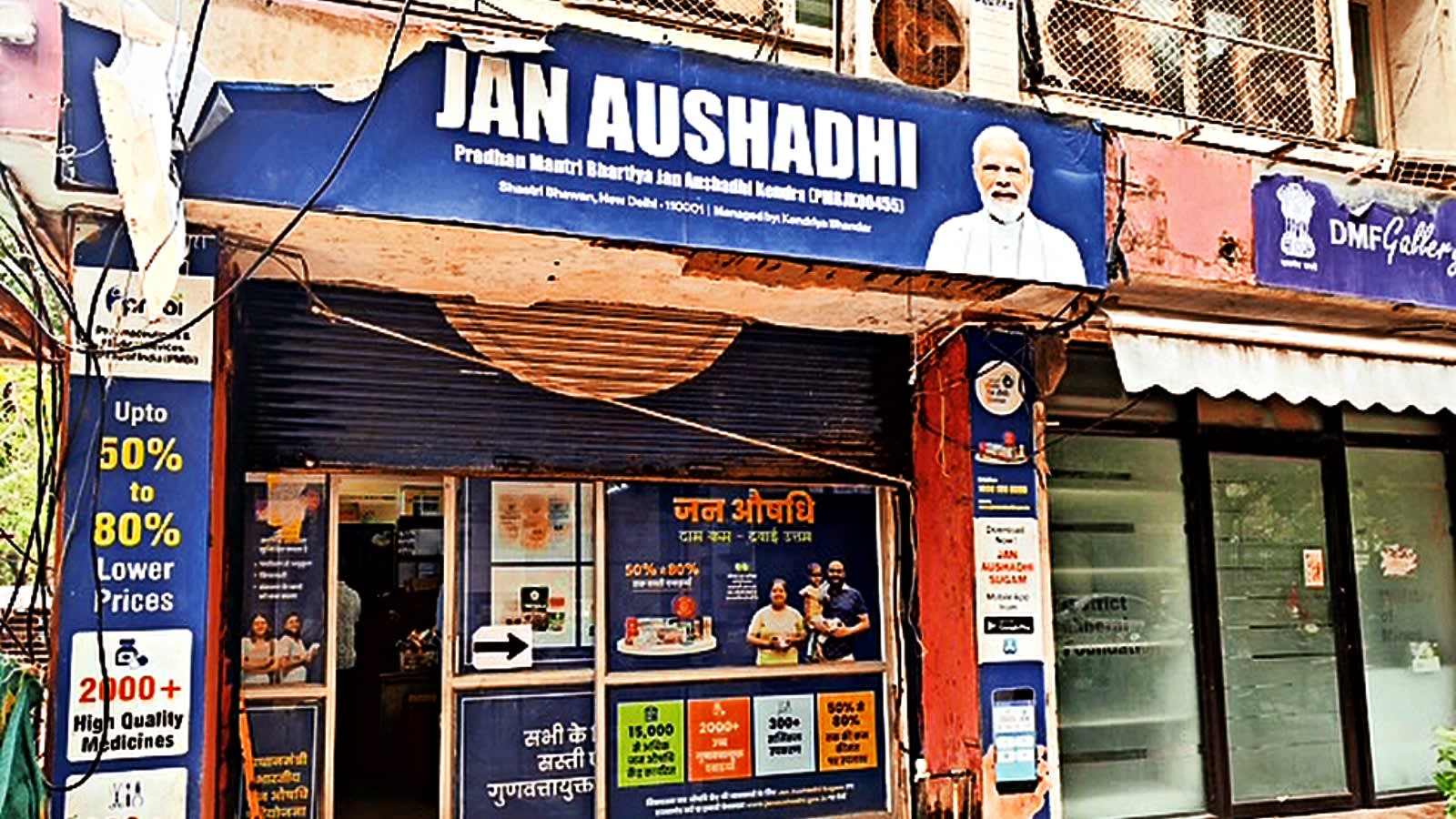
Delhi's historic first Jan Aushadhi Kendra, located in Shastri Bhawan, faces closure due to the building's demolition. The store has served government employees and laborers with affordable essential medicines since 2009.
The End of an Era: Shastri Bhawan’s Historic Jan Aushadhi Kendra
In the heart of India's capital, a significant chapter of public health accessibility is drawing to a close. The Jan Aushadhi Kendra located within the premises of Shastri Bhawan, recognized as Delhi’s first-ever generic drug store of its kind, is set to be shuttered. This development comes as the iconic government building, which has housed several ministries for decades, is slated for demolition, leaving the future of this vital community resource in limbo.
A Legacy of Affordable Healthcare
Established in 2009, the store was inaugurated by the then Union Minister of Chemicals and Fertilisers, Ram Vilas Paswan. At the time, it represented a pioneering effort by the government to make essential healthcare accessible to the masses. For seventeen years, this modest, one-room establishment has served as a lifeline, stocking everything from cough syrups and paracetamol to maintenance medications for chronic conditions like diabetes, hypertension, and cholesterol.
Serving the Capital's Workforce
The impact of this store extends far beyond its physical footprint. It has functioned as a critical intersection for diverse segments of the population. Daily, the store sees a steady stream of visitors ranging from government ministry employees to the labor force working at surrounding construction sites. By offering medicines at significantly reduced rates, it has played a crucial role in lowering the out-of-pocket medical expenditure for those who rely on its services most.
Broader Implications of Urban Redevelopment
The impending closure highlights the complex interplay between urban infrastructure renewal and the preservation of essential public services. As the government moves forward with plans to raze and redevelop older office complexes like Shastri Bhawan, the challenge lies in ensuring that the social infrastructure—such as this pharmacy—is not merely discarded but relocated or integrated into the new blueprints of the capital's administrative landscape.
Future Trends and Challenges
As the capital undergoes significant structural transformation, the loss of this specific Kendra serves as a case study for urban planners. The Jan Aushadhi scheme is a cornerstone of India’s public health strategy, aiming to reduce the financial burden of healthcare. The challenge for policymakers moving forward will be to ensure that redevelopment projects do not inadvertently create 'healthcare deserts' by displacing established, high-utility service points that have become ingrained in the daily lives of local workers.
Conclusion
While the physical structure of the Shastri Bhawan Jan Aushadhi Kendra is reaching its end, its seventeen-year history remains a testament to the success of the generic drug initiative. The decision to close this specific outlet marks a poignant moment for the community it served, emphasizing the urgent need to prioritize the continuity of essential services during the transition of Delhi’s central administrative infrastructure.