India’s poverty rate has fallen, but challenges remain: Jobs, AI, ageing population
Source Entity
Siddharth Upasani
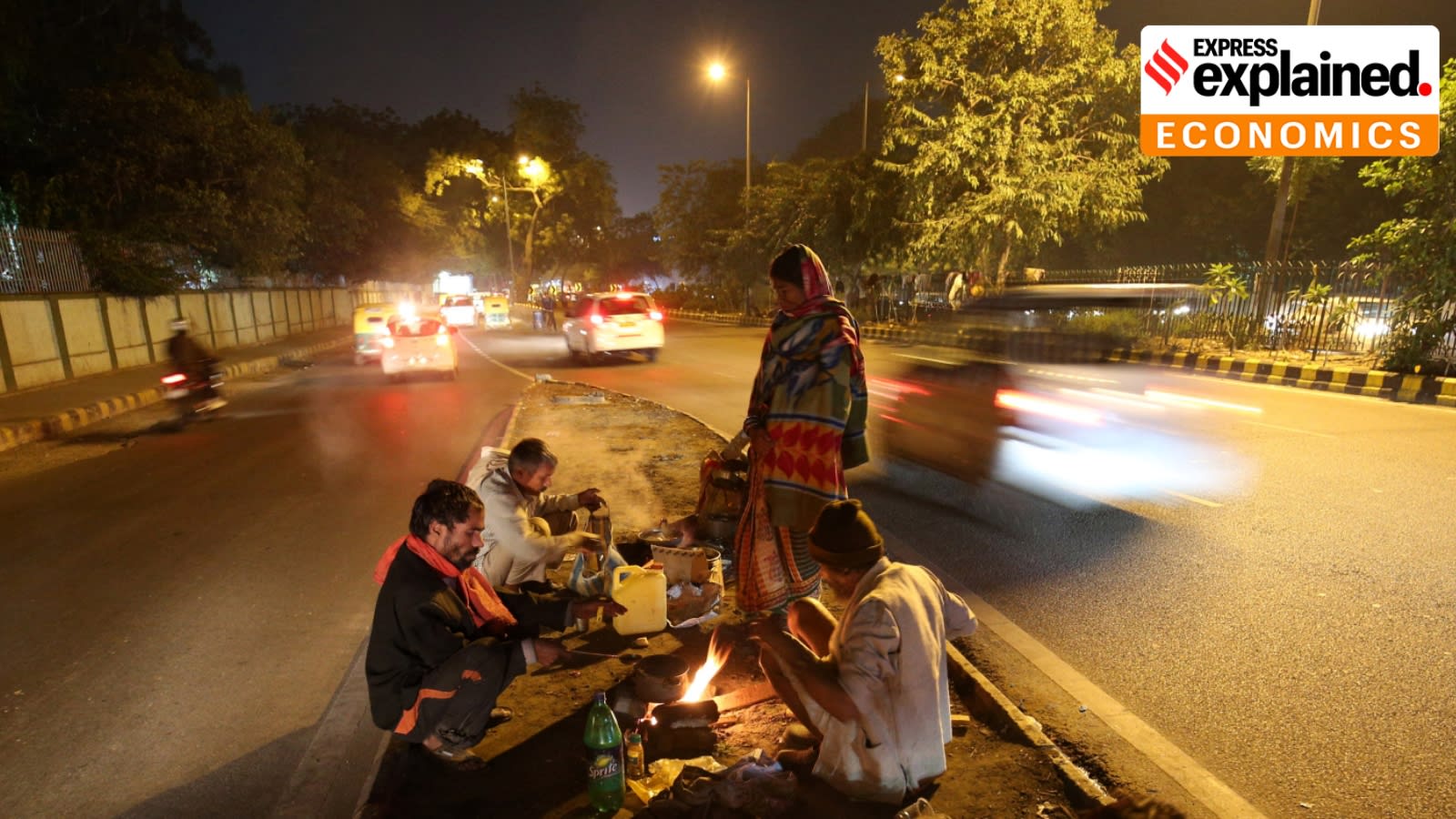
World Bank data reveals a significant decline in India's poverty rates, with extreme poverty dropping to 2.6% in 2023. Prime Minister Modi has cited these figures as evidence of successful governance, though experts warn that sustained progress depends on job creation and addressing demographic shifts.
India’s Economic Milestone: Analyzing the Poverty Decline
Recent data released by the World Bank’s ‘Poverty & Equity Brief’ indicates a transformative shift in India’s economic landscape. The report reveals that extreme poverty in India halved to 2.6% in 2023 compared to the previous year, utilizing a $3-per-day poverty threshold. When applying the Lower Middle-Income Country threshold of $4.2-per-day, the decline is even more pronounced, dropping from 23.9% to 16.1%. These metrics suggest that millions of citizens have ascended above the most basic financial barriers, marking a significant period of economic mobility.
Government Perspective and Political Implications
Prime Minister Narendra Modi has leveraged these findings to underscore the success of his administration’s economic policies. In a public statement, he characterized this drop as a “historic” achievement, framing it as a generational surge in opportunities for the Indian populace. By highlighting that 49.6 crore people have moved out of poverty, the government is seeking to validate its long-term development agenda. The Prime Minister also drew a sharp contrast with the historical ‘Garibi Hatao’ (Remove Poverty) campaign of the Congress party, positioning his administration's efforts as a tangible, results-oriented commitment rather than mere political rhetoric.
Projections and the Path Forward
Looking toward the future, the World Bank provides a cautiously optimistic outlook. Projections suggest that the poverty rate, measured against the $4.2-per-day threshold, could fall to 14.2% by 2026 and reach 12.1% by 2028. However, these figures are not guaranteed; they remain subject to revisions based on evolving macroeconomic data and labor market fluctuations. The trajectory of this decline is fundamentally tethered to the nation’s ability to maintain structural economic health.
The Challenge of Productive Employment
Despite the positive statistics, the World Bank report highlights critical vulnerabilities. The primary challenge for India lies in the capacity of its poorest states to generate productive, high-quality jobs. While poverty metrics are improving, the sustainability of this progress is contingent upon the labor market's ability to absorb a growing youth population. The report specifically notes that youth unemployment remains a significant hurdle, which could potentially stifle the momentum of poverty reduction if not addressed through targeted policy interventions.
Structural Hurdles: AI and Demographics
Beyond immediate job creation, India faces the dual pressure of an ageing population and the rapid integration of Artificial Intelligence (AI) into the workforce. As the global economy pivots toward digital and automated systems, India must ensure that its workforce remains competitive. The intersection of these demographic shifts and technological advancements means that poverty reduction is no longer just about basic welfare, but about skill acquisition and the adaptation of the labor market to modern, high-tech demands.
Conclusion
In summary, while India has achieved a remarkable reduction in extreme poverty, the narrative is multifaceted. The data provides a strong foundation for government optimism, yet it simultaneously serves as a warning that future progress relies on navigating complex economic challenges. From fostering job growth in underdeveloped regions to preparing the labor force for an AI-driven future, the next phase of India’s economic development will require strategic, long-term investments beyond current poverty-alleviation efforts.