Delhi sees a rise in temperature, AQI slips to ‘moderate’; clear skies predicted
Source Entity
Latest News: Todays Latest News Headlines from India & World | Hindustan Times | Hindustan Times
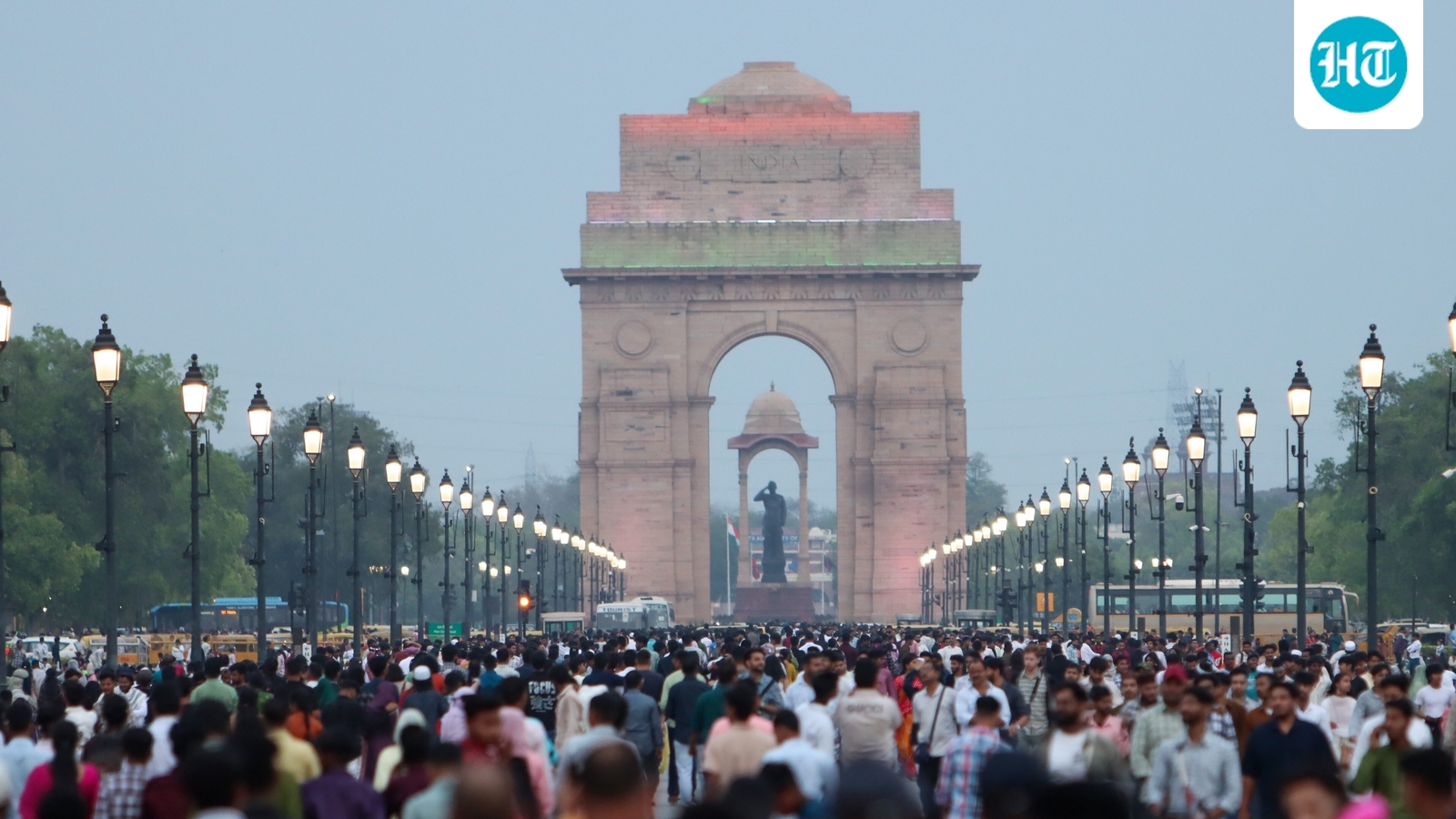
Delhi experienced a rise in minimum temperatures to 20 degrees Celsius alongside a shift in air quality to the moderate category. Weather officials noted no rainfall in the last 24 hours and anticipate clear skies moving forward.
Delhi Weather and Air Quality Update
Temperature Fluctuations in the Capital
Delhi’s meteorological landscape has witnessed a subtle but notable shift as the minimum temperature reached 20 degrees Celsius on Saturday. This figure, recorded at the Safdarjung weather station—the primary base station for the national capital—represents an increase of 0.6 degrees from the previous day and sits 0.4 degrees above the seasonal norm. Such fluctuations are characteristic of the transition periods in Delhi’s climate, where temperature volatility often precedes more stable seasonal patterns.
Impact of Dry Conditions
The India Meteorological Department (IMD) reported that no rainfall was recorded across its weather stations in the 24 hours leading up to 8:30 am on Saturday. The absence of precipitation is a significant factor in the current atmospheric conditions, as moisture levels and cloud cover play a critical role in regulating urban heat retention. Without the cooling effect of rainfall, the city experienced a steady climb in its minimum temperature, reflecting the lack of atmospheric disturbance.
Air Quality Shifts to Moderate
Following a day of 'satisfactory' air quality, Delhi’s Air Quality Index (AQI) slipped into the 'moderate' category, registering at 137 by 10:05 am on Saturday. The transition from satisfactory to moderate indicates a slight accumulation of particulate matter in the lower atmosphere. This shift is often linked to localized urban activities and stagnant wind conditions, which prevent the effective dispersion of pollutants that typically occurs during more turbulent weather periods.
Meteorological Outlook and Implications
The forecast for clear skies suggests that the current trend of rising temperatures may persist in the short term. Clear skies often lead to higher daytime heating, which, when coupled with the lack of recent rainfall, can influence both human comfort levels and the stability of the local environment. For residents, this necessitates an awareness of the changing AQI levels, as 'moderate' air quality can occasionally affect sensitive groups, even if it remains within acceptable ranges for the general population.
Broader Environmental Context
Delhi’s environmental health is highly sensitive to the interplay between temperature and wind speed. The current data from the IMD highlights the fragile balance of the capital's microclimate. As the city moves away from the satisfactory air quality recorded on Friday, the reliance on clear weather becomes a double-edged sword: while it provides pleasant conditions for residents, it simultaneously reduces the natural 'washing' effect that rainfall provides to the urban atmosphere.
Concluding Summary
In summary, the national capital is currently experiencing a period of warming accompanied by a decline in air quality from satisfactory to moderate. With no rainfall recorded and clear skies on the horizon, the focus remains on how these meteorological shifts will impact the city’s air quality in the coming days. Authorities and residents alike must monitor these indicators as the seasonal transition continues to unfold.
Verification Required?