Trump's Russia diesel deal may offer Putin more than money — and spell trouble for Ukraine
Source Entity
US Top News and Analysis
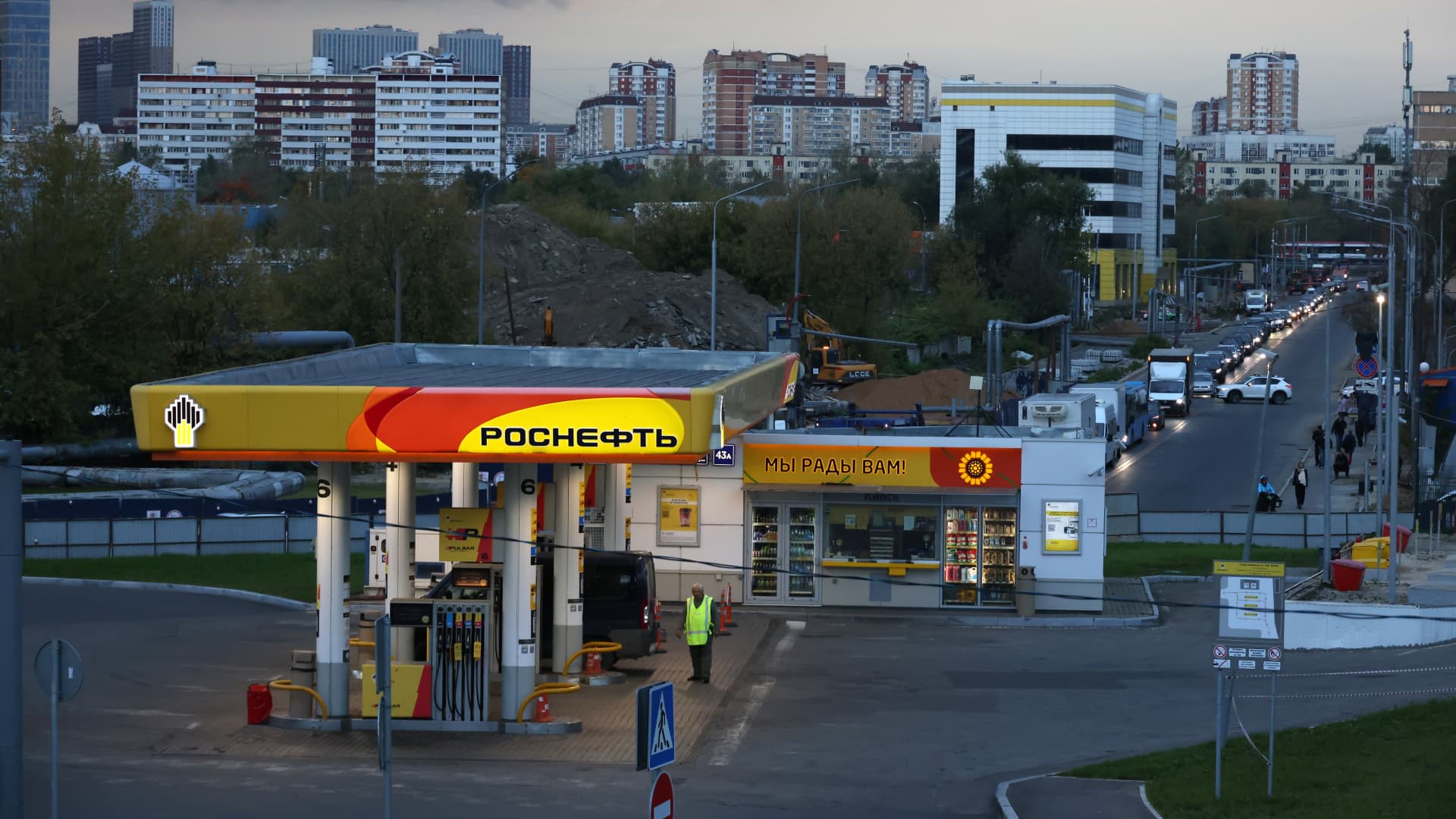
President Trump's diesel agreement with Russia aims to curb U.S. inflation but risks undermining Ukraine's strategic position. The move complicates Kyiv's war efforts amid reduced intelligence sharing and uncertainty over American support.
The Geopolitical Implications of the Trump-Putin Diesel Agreement
Recent reports indicate that U.S. President Donald Trump has brokered an agreement with Russian President Vladimir Putin to ease sanctions, specifically allowing for the flow of Russian diesel into global markets. While the immediate economic justification for this move is to address inflationary pressures within the United States—particularly regarding fuel and transport costs—the deal carries profound geopolitical consequences. As Washington moves to stabilize domestic energy prices ahead of the midterm elections, the transaction signals a potential shift in the administration's approach to the ongoing conflict in Ukraine.
Economic Drivers and Domestic Pressure
At the heart of this decision is the administration's desire to mitigate the impact of high fuel costs on the American economy. Diesel is a critical component of the global supply chain, powering the freight and agricultural sectors that underpin domestic price stability. By facilitating the return of Russian diesel to the market, the administration hopes to suppress inflationary trends that have become a focal point of voter concern. However, this pragmatic approach to domestic economics creates a direct friction point with the international strategy of isolating the Russian economy.
The Erosion of Ukrainian Leverage
Perhaps the most concerning aspect of this deal is its timing. As winter approaches, the Ukrainian military faces a precarious operational environment. The reports suggest that this deal is accompanied by restrictions on U.S. intelligence sharing with Ukrainian forces. By simultaneously easing economic pressure on Moscow and reducing military support for Kyiv, the U.S. appears to be signaling a pivot that could significantly diminish Ukraine's defensive capabilities. This duality forces President Volodymyr Zelenskyy into a defensive posture at a moment when continuity in Western support is vital for maintaining the front lines.
Shifting Dynamics in Washington-Kyiv Relations
This policy shift raises fundamental questions about the reliability of the United States as a primary security partner for Ukraine. For months, the strength of the Ukrainian resistance has been predicated on consistent intelligence loops and robust economic sanctions against the Kremlin. By softening these pillars, the current administration is effectively altering the strategic calculus for both Kyiv and Moscow. Observers are now forced to consider whether this move represents a long-term recalibration of U.S. foreign policy or a temporary tactical retreat for political expediency.
Future Trends and Strategic Risks
Looking ahead, the long-term ramifications of this deal may extend far beyond the immediate fluctuation of fuel prices. If the easing of sanctions becomes a precedent, it could erode the unified international front that has characterized the response to the invasion of Ukraine. Furthermore, if Putin perceives this move as a crack in American resolve, it may embolden future Russian military maneuvers. The intersection of domestic U.S. electoral cycles and international conflict resolution suggests that the coming months will be a period of significant volatility for the transatlantic alliance and the security architecture of Eastern Europe.