Slick diplomacy: Trump’s crude u-turn on Russia sanctions bails out India
Source Entity
CHIDANAND RAJGHATTA
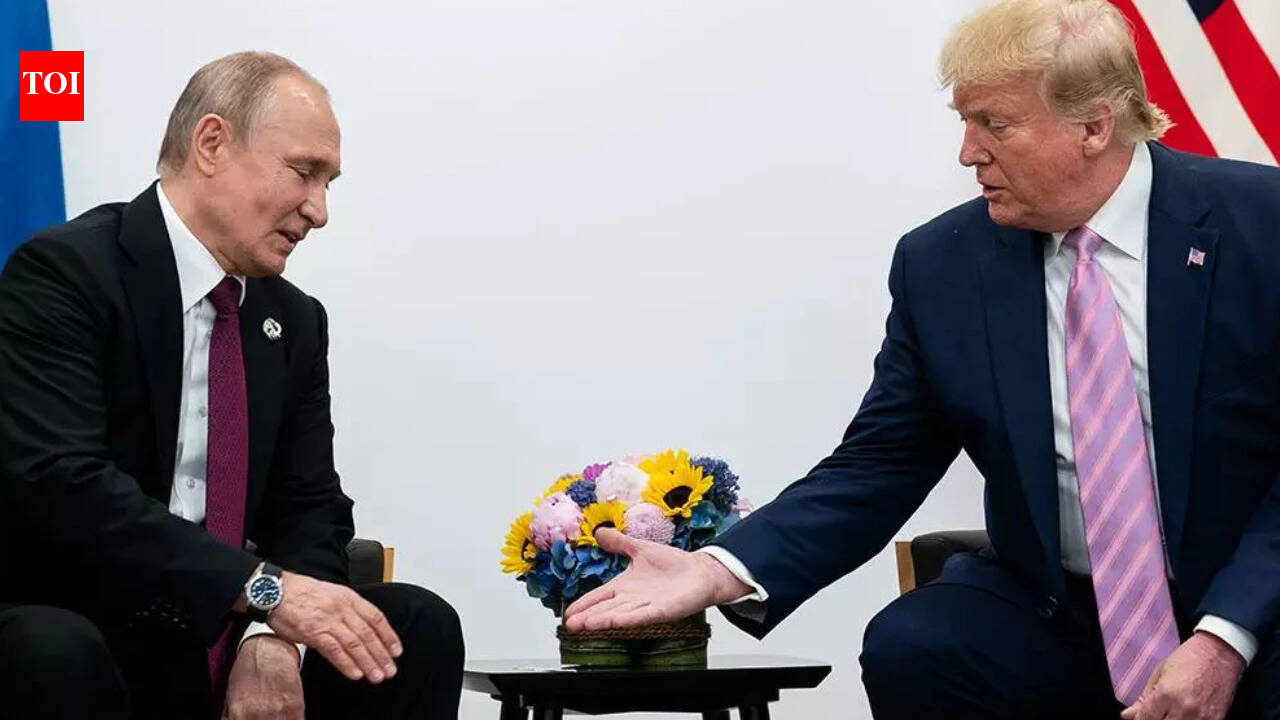
President Trump has issued an executive order waiving key provisions of the Lindsey O. Graham Sanctioning Russia and Iran Act of 2026. This move prevents potential 100% tariffs on India and China while allowing the US to continue purchasing Russian energy to manage domestic fuel prices.
The Strategic Pivot: Trump Waives Key Russia Sanctions
In a significant shift in American foreign policy, President Donald Trump has issued an executive order to pause major components of the Lindsey O. Graham Sanctioning Russia and Iran Act of 2026. This legislative package, which was originally intended to cripple the Russian economy in response to its ongoing war in Ukraine, contained controversial provisions that threatened to impose tariffs of up to 100% on nations continuing to purchase Russian oil and gas, most notably India and China.
Balancing National Interests and Global Trade
The President’s decision to invoke executive authority to delay these sanctions highlights a complex tension between geopolitical posturing and domestic economic stability. By citing the "national interest," the administration has effectively signaled that the immediate need to manage US energy prices takes precedence over the secondary enforcement of sanctions against major global importers of Russian crude. This move comes as the administration faces mounting pressure to lower energy costs ahead of the upcoming midterm elections.
The Impact on India and Global Energy Markets
For India, the waiver offers a significant reprieve. As one of the world's largest purchasers of Russian crude, the threat of a 100% tariff posed a severe risk to India's energy security and the broader bilateral trade relationship with the United States. The initial legislation, named after the late Senator Lindsey Graham, had triggered widespread concern in New Delhi, where officials viewed the potential tariffs as an encroachment on their sovereign energy procurement strategies.
Legislative Friction and Bipartisan Backlash
The implementation of the 2026 Act has been marked by significant friction between the White House and Capitol Hill. While the bill passed with large bipartisan majorities, the President’s decision to unilaterally waive key sections has sparked a fierce backlash from lawmakers. Critics argue that undermining the legislative intent of the sanctions weakens the US stance against Russia’s military aggression, while the administration maintains that the waiver is a pragmatic tool for managing domestic inflation.
Future Implications for Foreign Policy
Looking forward, this development suggests that US foreign policy will remain highly fluid, characterized by a willingness to prioritize domestic economic considerations—such as the importation of Russian diesel—over rigid adherence to multilateral sanctions regimes. As the midterm elections approach, the administration is likely to continue leveraging executive waivers to prevent sudden shocks to the US energy market, even at the cost of strained relations with congressional leaders who favor a more aggressive stance on global sanctions.
Summary of the Current Geopolitical Landscape
Ultimately, the pause on the Lindsey O. Graham Sanctioning Russia and Iran Act underscores the difficulty of maintaining a unified economic front against Russia while balancing internal political requirements. The waiver provides temporary stability for global energy trade, but the underlying tensions regarding the efficacy and implementation of these sanctions remain a central point of contention in American politics.
Multiple Citing Sources